Thai Government Overhauls Power Purchase Agreements, Abolishing 'Perpetual Contracts'
The Thai government is overhauling private power purchase agreements in the renewable energy sector, specifically targeting 'perpetual contracts' with automatic renewals for solar and wind power. The aim is to reduce electricity costs for citizens by abolishing these terms and lowering purchase prices. This move emphasizes the government's commitment to public benefit and fairness.
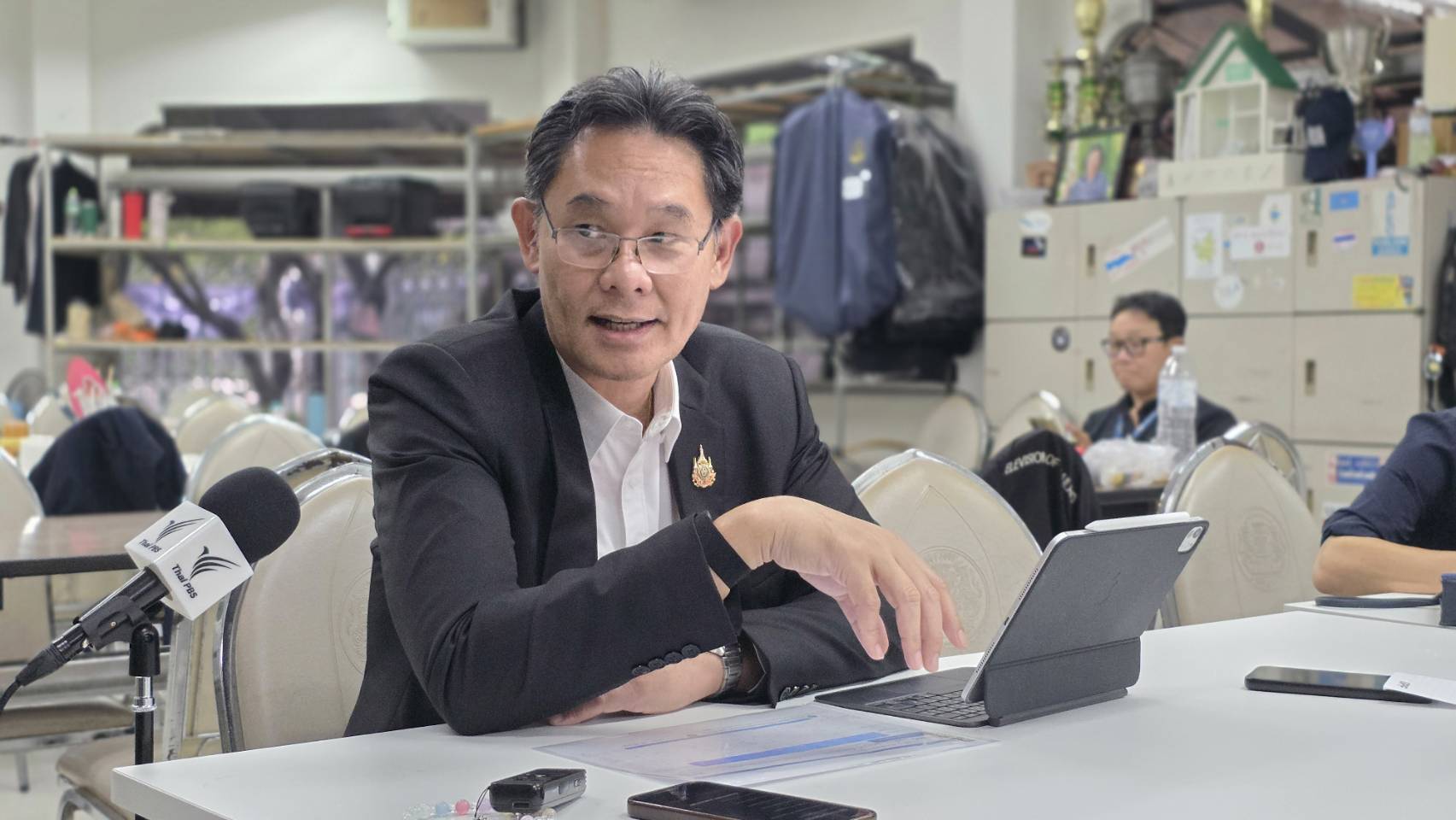
The Thai government is set to overhaul private power purchase agreements, particularly for renewable energy sources, by abolishing "perpetual contracts" that automatically renew. The purchase price will also be reduced to alleviate the electricity cost burden on citizens. This policy shift, prioritizing public benefit and fairness, is expected to be formally approved by the National Energy Policy Committee (NEPC) soon. According to Mr. Danucha Pichayanan, Secretary General of the National Economic and Social Development Council (NESDC), a key issue identified was the nature of "perpetual contracts" with automatic renewals in agreements with Small Power Producers (SPP) and Very Small Power Producers (VSPP) for solar and wind energy. Historically, these contracts, some referencing wholesale prices plus the Variable Adjustment Charge (FT), exceeded 3 baht per kilowatt-hour, despite renewable energy having no fuel costs. The revised policy will set the purchase price in line with current technology costs, referencing the 2.16 baht per kWh rate from solar community projects. This will initially apply to solar power, with pricing for wind power to be determined separately. Contract revisions will be implemented in two main groups. The first group comprises approximately 515 contracts (around 2,400 MW) whose 25-year terms have expired. These will not be automatically renewed; instead, they will be allowed one final renewal for the original contract duration (3-5 years) at the new rate of 2.16 baht per kWh, after which the contract will terminate. The second group includes about 46 contracts (approximately 1,478 MW) that have completed their 10-year subsidy (Adder) period but not their full 25-year term. These are considered to have recouped construction costs and will have their purchase price reduced to 2.16 baht per kWh for the remainder of their contract. For approximately 4 non-commercial operation (Non-COD) contracts (67 MW) that have been delayed for over two years, contract termination will be considered on a case-by-case basis. While the exact reduction in electricity bills is still being calculated, officials anticipate that aligning the FT component with actual costs will contribute to overall price reductions. However, the full impact on base electricity rates may not be immediate due to the time required to amend all contracts. Regarding large-scale Independent Power Producer (IPP) projects, a separate subcommittee will be formed to review Capacity Charge (AP) and Energy Charge (EP) to mitigate their impact on base electricity rates. The government maintains that these revisions, undertaken for the public good, will not deter investor confidence. Measures such as upgrading substations and promoting Direct Power Purchase (Direct PPA) agreements are also being implemented to support industries with high electricity demands, like data centers.
多角的分析
タイ政府による電力購入契約の見直しは、長期にわたる固定価格での電力購入によって生じていた経済的負担を是正する試みである。特に、燃料費がかからない再生可能エネルギー発電に対して、市場価格や技術進歩に見合わない高値で購入していた過去の契約構造は、電力料金の適正化を妨げていた。今回の価格引き下げと自動更新の廃止は、電力調達コストの削減に直結し、結果として国民の電気料金負担軽減に寄与すると考えられる。しかし、契約の見直しには法的な手続きや関係者との交渉が必要であり、その影響が電気料金に反映されるまでには時間を要するだろう。IPP契約の見直しは、より長期的な視点でのコスト削減を目指すものと見られる。
今回の電力購入契約の見直しは、再生可能エネルギー分野における投資家、特に過去に有利な条件で契約を結んだ事業者にとっては、収益性の低下につながる可能性がある。しかし、政府は国民の利益を優先する姿勢を明確にしており、訴訟リスクについても公務遂行上の正当性を主張する見込みだ。一方で、タイ政府はデータセンターのような電力多消費型産業への投資を誘致しており、そのための電力供給安定化や直接購入(Direct PPA)の推進といった代替策も提示している。これは、新規投資家に対しては、より透明で市場原理に基づいた電力調達の道筋を示すものとも解釈できる。
タイ国民にとって、電気料金は生活費の大きな部分を占めるため、今回の政府による契約見直しは直接的な生活への影響が大きい。特に、高騰する電気料金に不満を抱えていた一般家庭にとっては、料金引き下げへの期待が高まるだろう。しかし、契約の見直し対象となる既存の発電事業者との関係や、その過程で生じうる摩擦も考慮する必要がある。また、地方では屋台の電気代も家計を圧迫する要因の一つであり、料金引き下げは地方経済にも間接的な恩恵をもたらす可能性がある。政府が「国民の利益」を掲げる一方で、契約の見直しが一部の事業者との間で法的な争いに発展する可能性も否定できない。
タイ国民、特に一般家庭にとっては、電気料金の負担軽減は生活の質に直結する重要な問題である。過去の電力購入契約が、再生可能エネルギーの普及に貢献した側面もあるが、その高額な購入価格が国民の電気料金に転嫁されていたという批判も根強かった。今回の政府の決定は、こうした不満に応えるものであり、電気料金の適正化への期待は大きい。しかし、契約の見直しプロセスがスムーズに進むか、そしてその効果がどれだけ早く、そして確実に国民に還元されるかが注視される。特に、地方の小規模事業者や低所得者層にとって、電気料金の負担軽減は切実な願いである。
背景・歴史的文脈
タイでは、エネルギー安全保障と再生可能エネルギー普及のため、過去に民間発電事業者(IPP、SPP、VSPP)との間で電力購入契約が締結されてきた。特に、2000年代初頭から導入された「Adder(補助金)」制度や、長期にわたる固定価格での購入契約は、再生可能エネルギーの導入を促進する一方で、電力料金の上昇要因とも指摘されてきた。近年、技術進歩により再生可能エネルギーの発電コストが低下する中、過去の契約価格が市場実態と乖離しているという問題が顕在化し、国民の負担軽減のため、これらの契約を見直す機運が高まっていた。今回の見直しは、こうした背景を踏まえ、国民の利益を優先するための政府による構造改革の一環である。
原文ソース
INN News