Vietnam Strengthens Protection of Rare Wildlife and Natural Environment
Vietnam is enhancing its efforts to protect rare and endangered species, including tortoises and pangolins, with successful reintroductions into nature reserves. The country is also addressing climate change impacts, promoting sustainable marine economies, and tackling environmental challenges.
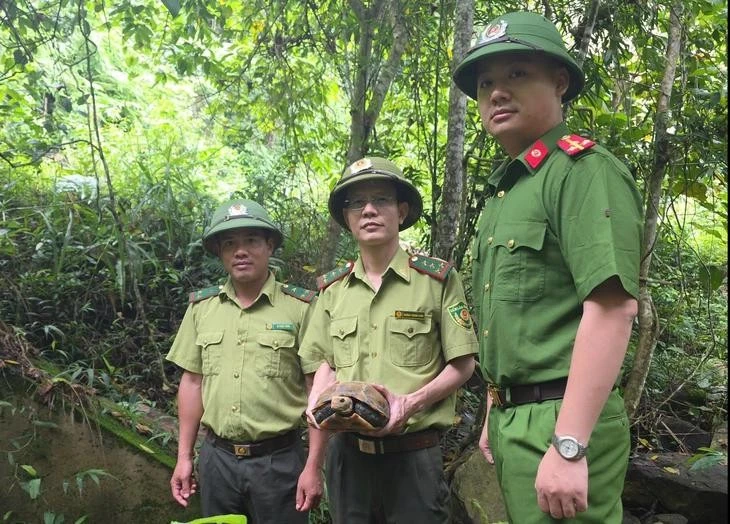
Vietnam is accelerating its efforts to conserve biodiversity, with recent reintroductions of rare and endangered species such as tortoises into nature reserves like Pu Hoat Nature Reserve. These species, including Indotestudo elongata and Manouria impressa, are listed by CITES and the IUCN Red List, highlighting Vietnam's commitment to international protection standards. Furthermore, a rare green sea turtle (Chelonia mydas), protected under Vietnamese law, was rescued from a fishing net in Ho Tram commune, near Ho Chi Minh City, and safely released back into the sea. These actions demonstrate Vietnam's adherence to its legal framework and global conservation norms. Government-led campaigns, such as "Plan 628" – a joint initiative by the Ministry of Public Security and the Ministry of Agriculture and Rural Development – are also underway to promote wildlife protection. This marks a shift towards a more coordinated, long-term approach to safeguarding wildlife and natural resources. A rescued pangolin was also released into a carefully selected habitat after health checks confirmed its fitness for the wild. Vietnam is also confronting the escalating impacts of climate change, with top leader To Lam emphasizing the need to integrate disaster prevention into all aspects of national development, including planning, public investment, and social welfare. The anticipated El Niño phenomenon in late 2026 and early 2027 underscores the urgency of enhancing forecasting and early warning capacities. While the robust growth of the marine economy presents significant opportunities, it also poses major challenges to marine environmental protection. Plastic waste, land-based pollution, and unsustainable development remain visible in coastal areas and biodiversity-rich marine protected zones, necessitating a balance between economic development and environmental preservation. Through initiatives like maintaining its UNESCO Global Geopark status and the designation of Phong Nha-Ke Bang National Park into the World Network of Biosphere Reserves, Vietnam is enhancing the international profile of its natural heritage. These efforts support sustainable tourism and green economic growth, reflecting Vietnam's commitment to balancing economic progress with environmental stewardship for a sustainable future. Source: VietnamPlus English
多角的分析
ベトナム経済は、海洋経済の拡大と環境保全との間でデリケートなバランスを求められています。海洋資源の持続可能な利用は、観光業や漁業の発展に不可欠ですが、その一方で、プラスチックごみや汚染問題は、生態系への長期的な損害と経済的損失を招く可能性があります。政府は、環境規制の強化と同時に、グリーンテクノロジーへの投資を奨励することで、持続可能な経済成長を目指していますが、その実行には企業や地域社会の協力が不可欠です。
ベトナムの環境規制強化は、投資家にとってリスクと機会の両方をもたらします。環境負荷の高い産業への投資は、将来的な規制強化や国際的な批判により、資産価値が低下する可能性があります。しかし、再生可能エネルギー、持続可能な農業、環境技術などの分野への投資は、成長市場として注目されており、長期的なリターンが期待できます。特に、ユネスコ世界遺産や生物圏保護区といったブランド価値を持つ地域への観光関連投資は、環境保全と経済発展の両立というベトナムの政策方向性と合致しており、有望視されています。
ベトナムにおける環境問題は、国民の健康と生活に直接的な影響を与えています。工業団地や都市部での大気・水質汚染は、公衆衛生上の懸念事項となっており、特に河川流域や農村部での廃棄物管理・排水処理の不備は、地域住民の生活環境を悪化させています。希少生物の保護活動は、国民の環境意識を高める機会となりますが、経済発展との間で生じる利害対立は、地域社会における公共の課題として、より一層の議論と対策が求められています。例えば、ホートラット地域でのウミガメ保護活動は、地域住民の協力なしには成り立ちません。
ベトナム市民にとって、環境問題は日常生活に直結する課題です。工業地帯からの排気や、河川への生活排水の流入は、都市部や農村部で暮らす人々の健康を脅かしています。希少生物の保護活動は、一部の地域では環境保全への関心を高めていますが、経済活動との両立が求められる中で、地域住民が環境保護に直接的な利益を見出せるような仕組み作りが重要です。例えば、プーホア自然保護区周辺の住民が、エコツーリズムなどを通じて保護活動に貢献し、その恩恵を受けることができるようになれば、より積極的な参加が期待できます。
背景・歴史的文脈
ベトナムにおける環境保護の取り組みは、経済発展の急速な進展と表裏一体で語られることが多い。1986年のドイモイ政策以降、市場経済化が進む中で、工業化や都市化が加速し、それに伴い環境汚染問題も深刻化した。特に、1990年代後半から2000年代にかけて、公害問題への国民の関心が高まり、政府も環境法制の整備を進めてきた。しかし、経済成長を優先するあまり、規制の執行が追いつかないケースも少なくなかった。近年、気候変動の影響が顕著になるにつれ、自然災害の激甚化や海洋汚染などが社会問題化し、環境保全への意識がさらに高まっている。ユネスコ世界遺産への登録や、希少生物の保護区指定などは、こうした背景の中で、国際社会との連携を強化し、持続可能な開発を目指すベトナムの姿勢を示している。
原文ソース
VietnamPlus English