General articles are free for 24 hours after publish.
China's AI Ambitions Clash With Deep Economic Headwinds
China is pouring billions into AI for global dominance, but faces severe economic headwinds including a property slump, local government debt, and weak consumer spending. While AI investment continues, domestic demand recovery is critical.
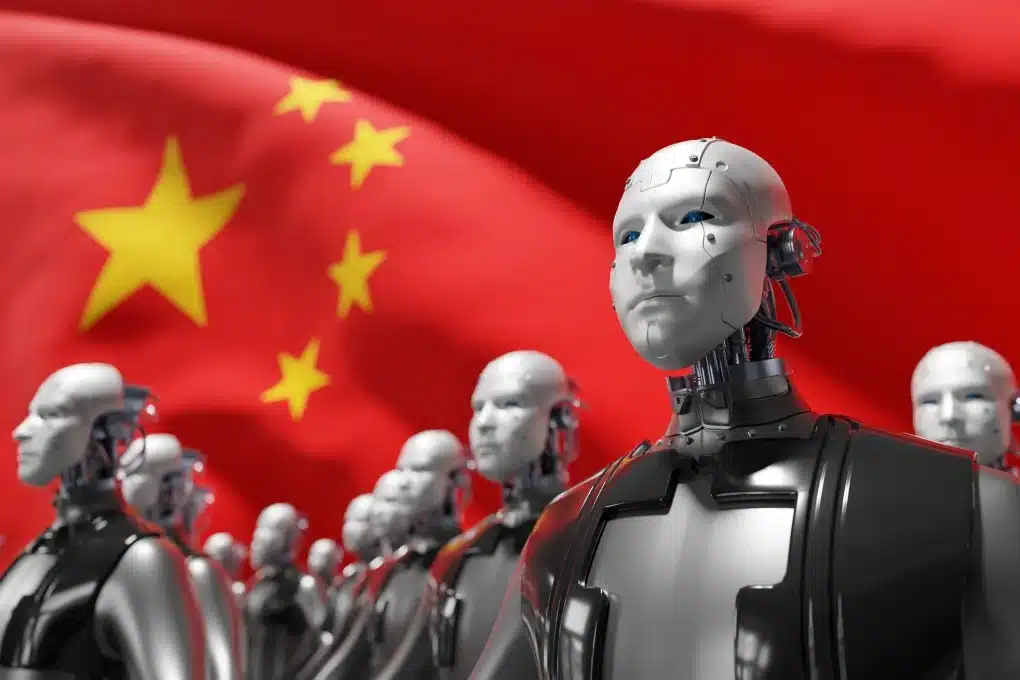
Home - China - China’s AI Ambitions Clash With Deep Economic Headwinds Last Updated on September 22, 2026 by Jeff Tomas BEIJING – China is pouring money into artificial intelligence at an unprecedented pace to secure global dominance. The government recently launched a massive $8.2 billion state fund dedicated specifically to early-stage AI projects. This aggressive financial move highlights Beijing’s intense drive to lead the highly competitive global technology race. Chinese leaders urgently want to secure tech self-reliance as trade restrictions from Western countries continue to tighten. However, this ambitious high-tech vision is crashing into some very harsh economic realities on the ground. Deep structural headwinds are making it increasingly hard for the country to maintain its historical growth rates, as tracked by Bloomberg. A severe property market slump and crushing local government debt are creating massive, unavoidable roadblocks. Furthermore, everyday citizens are simply not spending enough money to keep the broader domestic economy thriving. The newly established AI Industry Investment Fund marks a major step in China’s evolving technology strategy. Set up by key government ministries, this state fund aims to aggressively build up the entire AI supply chain. Planners are heavily focusing on essential areas like computing power, advanced algorithms, and smart robotics. This fresh capital works alongside the country’s famous “Big Fund,” which was originally built to boost the domestic microchip industry. State-backed investments like these show a very clear shift in how China plans to grow its economy. Instead of relying on cheap manufacturing and exports, the government desperately wants high-tech industries to drive future wealth. In fact, the country’s massive $1.3 trillion sovereign wealth fund is also shifting its main focus toward artificial intelligence. By directly funding these cutting-edge projects, Beijing hopes to outpace global competitors and bypass foreign trade restrictions. This top-down approach to funding tech innovation is a cornerstone of the Chinese economic model. Planners firmly believe that state guidance can efficiently direct massive amounts of capital exactly where it is needed most. They want to create a robust digital infrastructure that will support everything from automated factories to smart cities. The ultimate goal is to insulate the domestic tech sector from the unpredictable swings of global politics. Despite these flashy tech investments, the actual foundation of the broader Chinese economy looks increasingly shaky today. Local governments across the entire country are currently drowning in massive amounts of hidden debt. For many years, these local authorities borrowed very heavily to fund endless infrastructure and real estate development projects. Now, as the property market continues to collapse, that old debt is becoming incredibly difficult to manage. This massive financial burden severely limits what the national government can actually do to fix the economy. In the past, leaders would simply launch massive building projects to quickly create new jobs and instant growth. Today, that traditional playbook no longer works because the domestic financial system is already stretched far too thin. The mounting pressure is forcing local officials to make tough choices between paying off old loans and funding essential public services. Financial experts constantly warn that this debt crisis is a deep structural problem, not just a temporary glitch. Fixing this massive issue will require painful economic reforms and many years of slow, careful financial management. Until these underlying structural issues are fully resolved, they will naturally continue to act like a heavy anchor on national growth. Even the most advanced artificial intelligence technology cannot easily solve a fundamental crisis of excessive borrowing. The ongoing property crisis has directly and severely damaged the confidence of the average Chinese consumer. For several decades, regular citizens confidently put most of their life savings into buying local real estate. As home prices continue to fall rapidly, families suddenly feel much poorer and far more financially insecure. Consequently, retail sales have recently hit very troubling post-pandemic lows across the entire country. When everyday people feel deeply anxious about their financial future, they naturally close their wallets immediately. Families are actively choosing to save their hard-earned money rather than buy new cars, home appliances, or clothes. This severe lack of domestic demand creates a vicious cycle that hurts local businesses and slows overall wage growth. According to Reuters, international financial experts argue that the government must provide direct financial stimulus to properly encourage public spending. Without strong, consistent consumer spending, the entire domestic economic engine struggles to move forward at a healthy pace. Exporting cheap goods to other countries is helping right now, but relying too heavily on foreign buyers is quite risky. Global trade tensions are rapidly rising, and international markets might soon buy far fewer Chinese products. A healthy, modern economy simply needs its own citizens to feel confident enough to spend their money freely. Beijing definitely faces a very complex and delicate balancing act over the next few coming years. On one hand, securing global leadership in artificial intelligence is absolutely crucial for national security and future economic competitiveness. The government will almost certainly continue to funnel billions of dollars into its top-tier technology and manufacturing sectors. These massive state-backed funds will definitely help create exciting new breakthroughs in robotics, software design, and advanced manufacturing. On the other hand, a thriving tech sector alone simply cannot support a diverse nation of 1.4 billion people. The deep structural headwinds of high debt and weak consumer demand require urgent, practical, and sweeping financial solutions. High-tech jobs are incredibly vital, but they cannot possibly replace the millions of everyday jobs lost in real estate and traditional retail. Leaders must quickly find a reliable way to stabilize the broader economy while still pushing for bold innovation. Ultimately, China’s long-term economic trajectory entirely depends on fixing these very deep domestic financial problems soon. Throwing billions of dollars at artificial intelligence is a bold, necessary, and strategic move for the nation’s future. However, if everyday citizens remain highly anxious and local governments stay broke, the broader economy will constantly struggle to fly. True economic strength always requires both cutting-edge technology and a confident, financially secure, and thriving middle class.
Original source
Chiang Rai Times