Hanoi Accelerates Flood Control Infrastructure Projects as Key Initiatives Near Completion
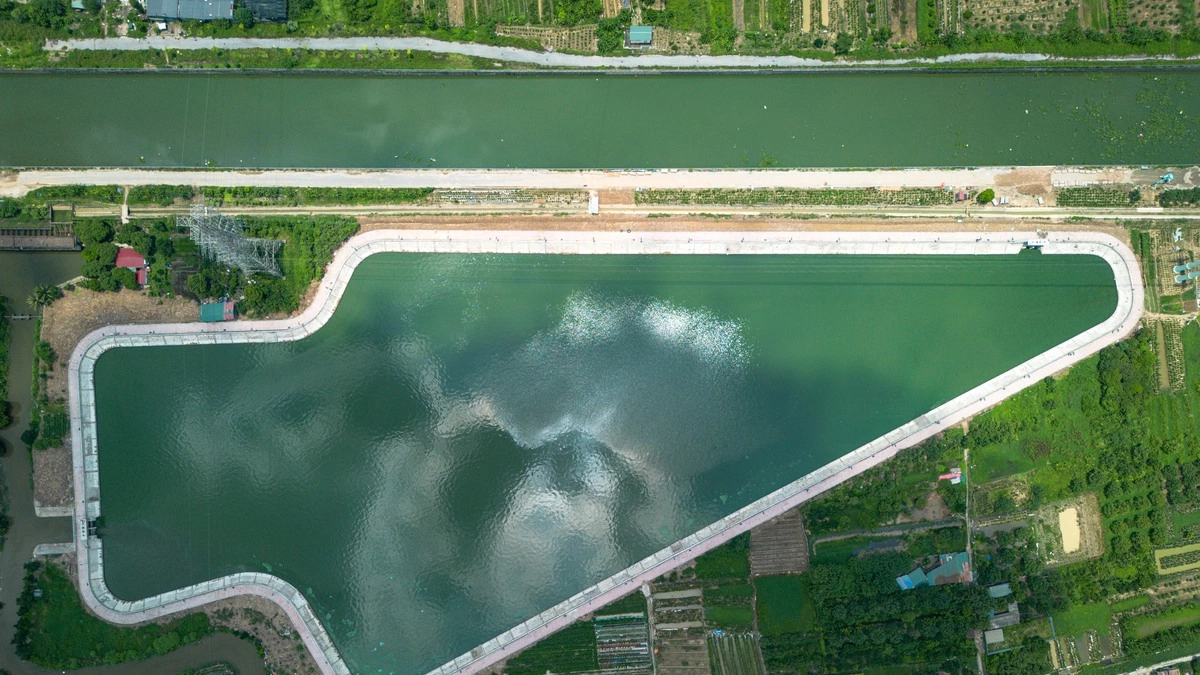
Hanoi is accelerating multiple key drainage and irrigation projects aimed at reducing urban flooding and improving rainwater management. Projects including the construction of reservoirs like Me Tri Lake and Yen Nghia Lake, and the renovation of the Kim Nguu River, are progressing, with some already operational or nearing completion.
Hanoi is accelerating the development of several key drainage and irrigation infrastructure projects aimed at combating urban flooding and enhancing rainwater management capabilities. These initiatives are expected to significantly contribute to reducing waterlogging in the city's core areas. The Me Tri Lake (Dong Bong 2) project, with a total investment of approximately 370 billion VND (around $15 million USD), spans 12 hectares and features a perimeter dike over 1.9 km long. The lake is equipped with drainage pipes connecting to the Dong Bong canal and sluice gates for water level regulation. It has already begun accumulating water, with landscaping and walkway installations now in their final stages. Meanwhile, the Yen Nghia Lake 1 and 2 regulating reservoirs are also taking shape. Yen Nghia Lake 2, covering about 5 hectares with an investment of 250 billion VND, has been accumulating water since May and has completed most of its walkways and lighting systems. Construction is now focusing on Yen Nghia Lake 1, a larger 20-hectare project with an investment of 858 billion VND. This initiative aims to complement Hanoi's drainage plans and optimize the operation of the Yen Nghia pumping station. The Kim Nguu River downstream improvement project, connecting the To Lich River to the Yen So pumping station, is a significant undertaking with a total investment of approximately 700 billion VND (around $30 million USD). It is designed to boost water storage, conveyance, and drainage capacity for southern Hanoi. The project involves constructing 5.3 km of reinforced concrete dikes, dredging the riverbed to a depth of 3.6 meters, and building a connecting culvert to Linh Dam Lake. In Dong Ngac ward, the Thuy Phuong 2 regulating lake project is nearing completion, with final works on the dike, drainage system, and surrounding landscape underway. This project is part of a phased plan to perfect Hanoi's regulating lake system, aiming to regulate water flow, increase storage capacity, improve the environment, and mitigate flooding. The lake has a capacity of approximately 500,000 cubic meters, with 400,000 cubic meters designated for regulation. Furthermore, the Phu Do regulating lake in Tu Liem ward, spanning about 36 hectares with an investment of nearly 800 billion VND, has largely taken shape. Key components like the lake excavation, reinforced concrete dike, and connecting culverts to the local drainage network are complete, preparing for operation. This lake will integrate with nearby canal systems to enhance rainwater storage and flood reduction. These infrastructure developments are part of the urban development and investment initiatives championed by the Vietnamese Communist Party, reflecting the government's commitment to economic growth and improving citizens' quality of life. Flood control, in particular, is a pressing concern for Hanoi amidst its rapid urbanization.
多角的分析
ハノイにおける一連の洪水対策インフラプロジェクトの加速は、都市化の急速な進展とそれに伴う水害リスクの増大という経済的・社会的な現実への対応である。これらのプロジェクトへの大規模な投資は、建設セクターの活性化に直接貢献するだけでなく、インフラの安定化を通じて経済活動の継続性を保証する。特に、都市部の浸水被害は、商業活動の中断、交通網の麻痺、資産の損害など、経済に多大な損失をもたらすため、その予防は長期的な経済成長にとって不可欠である。ベトナム経済が製造業やサービス業へのシフトを進める中で、安定したインフラは外国からの投資を誘致し、国内経済の競争力を維持するための基盤となる。
これらのインフラプロジェクトは、直接的な投資機会を提供するだけでなく、ハノイ市全体の投資環境の改善に寄与する。建設資材、重機、エンジニアリングサービスなどの分野で、国内外の企業にとって新たなビジネスチャンスが生まれる可能性がある。また、水害リスクの軽減は、不動産開発や既存事業の安定稼働を促進し、投資家にとってのリスクを低減させる。長期的な視点では、インフラの質的向上は都市の持続可能性を高め、さらなる経済発展への期待から、不動産や関連インフラへの間接的な投資を呼び込む要因となり得る。
ハノイの住民にとって、これらのインフラプロジェクトの進展は、日常生活における水害リスクの軽減に直結する。特に、過去に浸水被害が頻発していた地域に住む人々は、より安全で快適な生活環境の実現を期待している。しかし、建設工事に伴う騒音、交通渋滞、一時的な生活環境の変化は、短期的な不便をもたらす可能性もある。プロジェクトの進捗管理と、地域住民への丁寧な情報提供、そして工事後の迅速な環境回復が、社会的な受容性を高める上で重要となる。また、これらの公共事業は、政府の統治能力と市民生活への配慮を示す象徴ともなり得る。
ハノイ市民、特に過去に水害で苦しんだ経験を持つ人々にとって、これらのプロジェクトは希望の光である。メーチー湖やイェンギア湖のような貯水池の建設は、雨水を効果的に貯留・排水することで、都市部の浸水被害を直接的に軽減する。例えば、メーチー湖周辺の住民は、以前は道路冠水に悩まされていたが、このプロジェクトによりそのリスクが低減されることが期待される。また、キム・グー川の改修は、南部の住民の生活環境改善に繋がる。これらのプロジェクトは、市民の安全と生活の質の向上に直接貢献するものであり、政府によるインフラ投資の成果として実感されるだろう。
背景・歴史的文脈
ベトナム、特にハノイのような急速に都市化が進む地域では、インフラ整備が追いつかないことが水害の主な原因となってきた。過去数十年にわたり、ベトナム政府は経済成長を最優先課題とし、インフラ投資を拡大してきたが、都市部への人口集中と不十分な排水システムが水害リスクを高めてきた。1990年代以降のドイモイ(刷新)政策以降、市場経済化が進み、インフラ開発への民間投資も促進されたが、公共事業の多くは依然として政府主導で行われている。2010年代に入り、気候変動の影響による異常気象が増加し、水害対策の重要性が一層高まった。今回のプロジェクト群は、こうした背景を踏まえ、都市のレジリエンス(回復力)を高め、持続可能な開発を目指すベトナム政府の長期的な戦略の一環として位置づけられる。
原文ソース
VnExpress