Chiang Rai Prepares for El Niño with Enhanced Water Management
Environment
2026年7月10日
5
Chiang Rai Times

Chiang Rai Prepares for El Niño with Enhanced Water Management

AI サマリー

Chiang Rai Province in northern Thailand is bolstering its water resource management in anticipation of drought conditions brought by the El Niño phenomenon. The province prioritizes securing water for drinking, daily use, and agriculture, implementing measures for sustainable water utilization.

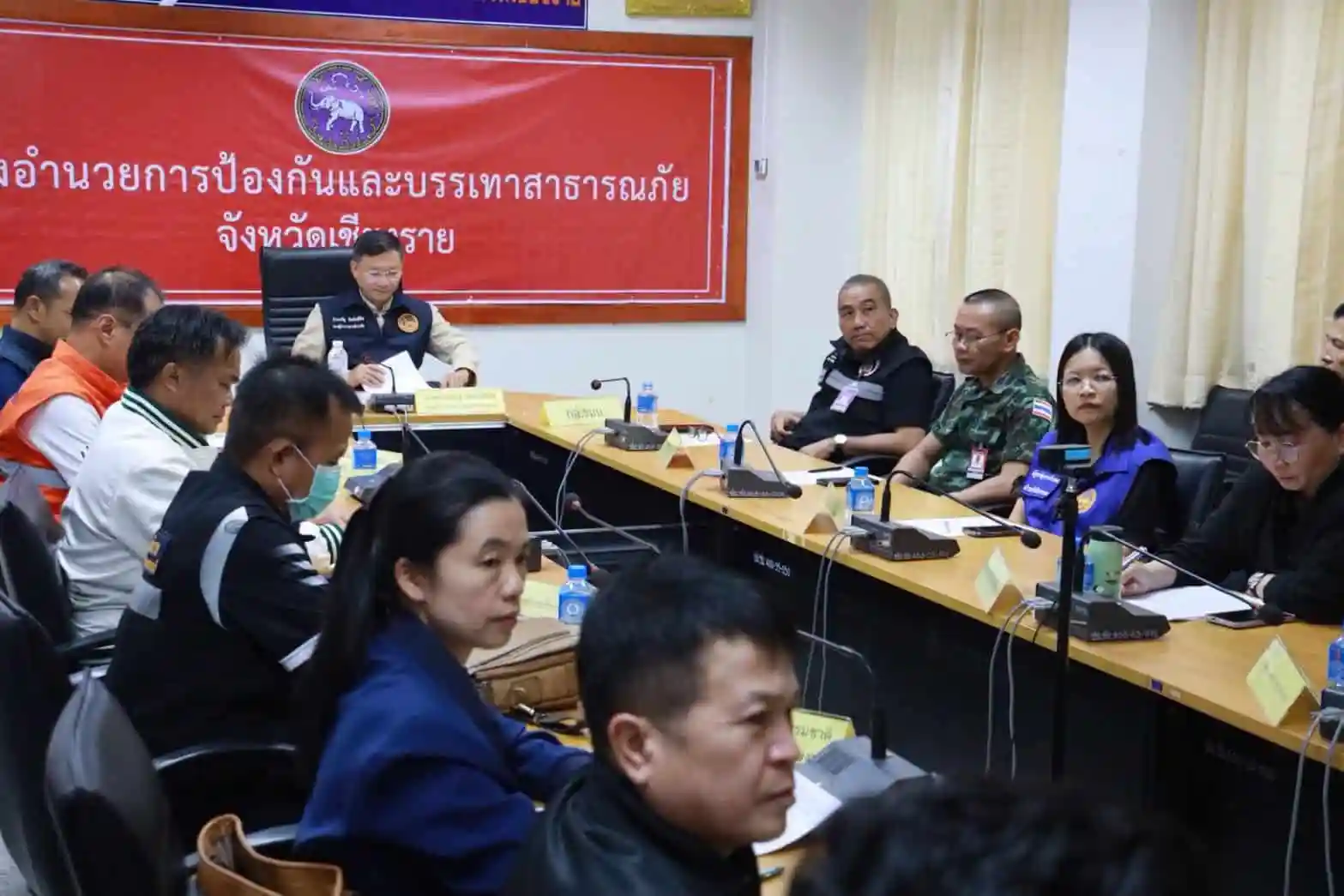
CHIANG RAI – The Chiang Rai Provincial Administration is taking proactive and early action to face the upcoming El Niño weather pattern. Provincial leaders are focusing heavily on sustainable water management to protect both homes and farms. This proactive approach aims to secure enough water for daily living and agriculture this year. On July 9, 2026, Deputy Governor Prasert Jitpleecheep joined a major national disaster prevention meeting. He connected with the national headquarters online from the Chiang Rai City Hall conference room. Director-General Teerapat Catchamat led this highly important online session with 76 different provinces across Thailand. The recent crisis meeting was driven by direct orders from the central Thai government cabinet. National leaders are expressing deep concern over the shifting weather and potential severe dry spells. Government officials want to make sure all local areas are fully prepared for the crisis. During the nationwide meeting, the Department of Disaster Prevention and Mitigation stressed taking quick action. The national department strongly urged all regional offices to inspect their local risk areas right away. Finding effective ways to store enough water for local farming is now a top national priority. According to the Thai Meteorological Department, the current El Niño weather impact remains quite small. However, leading climate experts warn that overall rainfall will slowly decrease over the coming few months. They predict the negative effects of the drought will become much more noticeable by 2027. Because of this troubling forecast, Chiang Rai cannot afford to wait for the rain to stop. The northern province must carefully manage public water releases and secure water storage starting right now. This early strategic planning is crucial to prevent widespread water shortages in the near future. Deputy Governor Prasert Jitpleecheep shared that local agencies are already rolling out their new defense plans. The primary goal of the province is to secure enough water for drinking, daily use, and farming. Local rural farmers are currently receiving helpful advice to grow crops that require much less water. Agricultural authorities also suggest shortening planting cycles to save vital water resources during the dry season. In addition, the province is promoting modern smart farming technology to improve daily water efficiency. These tech-driven farming methods will help farmers track soil moisture and prevent any unnecessary water waste. On the public utility side, the local waterworks authority is fully prepared for the upcoming drought. They successfully secured enough reserve water to handle a severe dry spell lasting up to 80 days. Still, they will continue working closely with the Royal Irrigation Department to carefully monitor water releases. If the dry situation worsens, local military units are standing by to help the public immediately. The 37th Military Circle has prepared active personnel, specialized tools, and large military water trucks. These trained troops will deliver clean water directly to any northern neighborhoods facing severe supply cuts. Finally, provincial government leaders are strongly urging all citizens to play their part in saving water. A brand new public awareness campaign aims to teach locals how to reduce their daily water use. By working together, the entire community can ensure their shared water resources last through the long drought.

多角的分析

経済的影響

エルニーニョによる干ばつは、タイの農業生産に直接的な打撃を与え、特に米やサトウキビなどの主要作物の収穫量減少につながる可能性があります。これは国内の食料価格の上昇を招き、農村部の経済的困窮を深刻化させる恐れがあります。また、水力発電への依存度が高いタイでは、発電量低下による電力供給への影響も懸念され、産業活動全体に波及する可能性があります。

投資家心理

エルニーニョによる水不足は、農業関連企業、特に肥料、種子、灌漑システムを提供する企業にとってリスクとなります。一方で、水管理技術や節水型農業ソリューションを提供する企業にとっては、新たなビジネスチャンスとなり得ます。投資家は、これらのリスクと機会を考慮し、ポートフォリオのリスク分散を図る必要があります。長期的な視点では、気候変動への適応能力が高い企業への投資が有利になると考えられます。

社会的影響

チェンライ県における水不足への懸念は、地域住民の生活基盤を直接脅かすものです。特に農村部では、農業収入の減少や飲料水の確保が困難になることで、生活水準の低下や健康被害のリスクが高まります。また、水資源を巡る地域間の摩擦や、政府の対応への不満が社会不安につながる可能性も否定できません。政府は、公平な水資源配分と、影響を受ける住民への十分な支援策を講じることが求められます。

市民の声

チェンライ県民にとって、エルニーニョによる干ばつは、日々の生活に直結する深刻な問題です。飲料水や生活用水の不足は、衛生問題を引き起こす可能性があります。農家にとっては、収穫量の減少は直接的な収入減となり、生計を立てることが困難になる恐れがあります。子供たちの健康や教育への影響も懸念されます。政府の節水キャンペーンへの参加や、家庭での水の使用方法の見直しが、地域社会全体でこの危機を乗り越えるために不可欠となります。

背景・歴史的文脈

エルニーニョ現象は、太平洋赤道域の水温が平年より高くなる現象で、世界各地で異常気象を引き起こす。タイでは、エルニーニョの影響で降雨量が減少し、干ばつが発生しやすくなる。過去にもタイはエルニーニョによる深刻な干ばつに苦しんだ経験があり、特に2015-2016年のエルニーニョでは、広範囲で水不足が発生し、農業や工業に大きな影響が出た。この経験から、タイ政府はエルニーニョ発生時には早期警戒と予防的な水資源管理の重要性を認識しており、今回もその教訓に基づいた対応が取られている。

原文ソース

Chiang Rai Times

原文を読む