THAI Flight Attendant's Heroin Smuggling Allegation Prompts PM's Meeting Order
Thai Prime Minister Anutin Charnvirakul has ordered an urgent meeting of anti-narcotics agencies and Airports of Thailand (AoT) following the arrest of a Thai Airways flight attendant in Australia on heroin smuggling charges. The PM expressed concerns over Thailand's international image and aviation security.
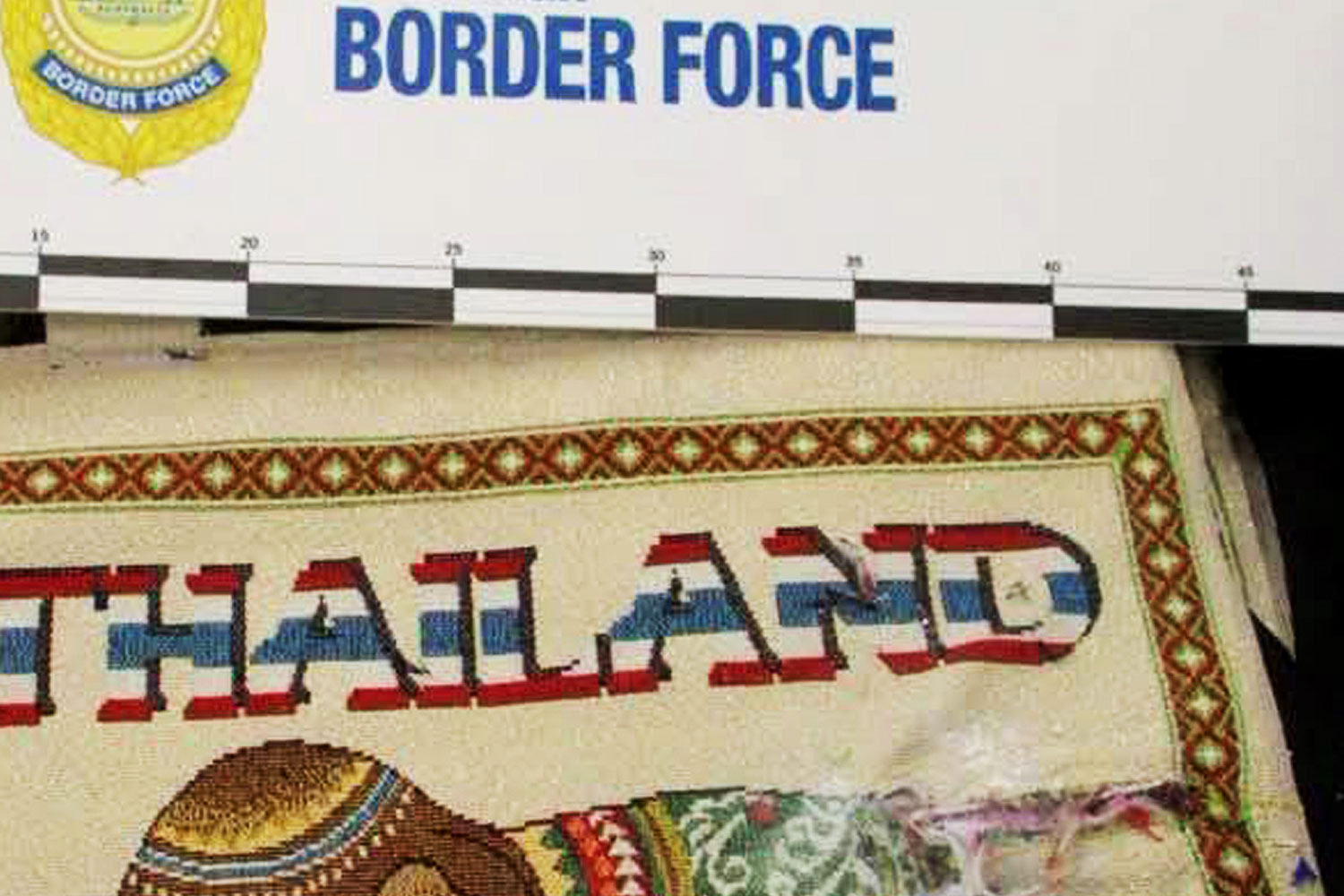
Prime Minister Anutin Charnvirakul has ordered an urgent meeting of anti-narcotics agencies and Airports of Thailand (AoT) tomorrow after the arrest of a Thai Airways (THAI) flight attendant in Australia on allegations of attempting to smuggle heroin into the country. The case, together with another recent incident involving a foreigner transporting drugs from Thailand to Australia, has heightened concerns over the country's reputation and aviation security. The prime minister, who is in France, issued the directive after reports emerged that a 26-year-old THAI cabin crew member had been arrested by the Australian Federal Police (AFP) on June 25 after allegedly attempting to bring one kilogramme of heroin into Melbourne. The drugs were concealed inside a Thai Otop tote bag packed among 12 pieces of luggage, media reports said. The prime minister was said to be "extremely dissatisfied" with the incidents, believing they could damage Thailand's image as the government seeks to establish the country as a regional aviation hub and pursue membership of the Organisation for Economic Co-operation and Development (OECD) by 2028. The meeting will bring together all agencies involved in narcotics suppression, including AoT, to discuss the case and measures to prevent similar incidents. Meanwhile, the Office of the Narcotics Control Board (ONCB) is expanding its investigation into the matter in cooperation with Australian authorities. ONCB secretary-general Pol Maj Suriya Singhakamol was to meet AFP officers yesterday to exchange intelligence and examine evidence, including the flight attendant's statements, travel records and details of the intended recipient of the parcel in Australia, said ONCB spokeswoman Areepak Ngernbumrung. Officials also plan to coordinate intelligence on transnational drug trafficking networks. The ONCB said the Melbourne flight was part of the attendant's normal work roster and had not been swapped with another crew member. Investigators said she regularly worked services to Melbourne. Ms Areepak said investigators had found no evidence at this stage showing that the flight attendant was a member of a drug trafficking syndicate. However, neither have they concluded she was an unwitting victim. Ms Areepak said investigators had raised several questions, including why the woman agreed to carry a parcel to Australia despite the country's strict drug controls. While some cabin crew offer parcel-carrying services, many avoid doing so because of the risks involved. The payment she received for carrying the package was only 8,800 baht, an amount investigators considered unusually low given the potential legal risks. Officials also noted that neither her family circumstances nor lifestyle suggested unexplained wealth, Ms Areepak said. "It is still too early to conclude whether she was exploited by a transnational drug trafficking network," Ms Areepak said, adding investigators must examine all possibilities before drawing conclusions. Authorities are also seeking to identify the parcel's intended recipient in Australia, whose name was written in English on the shipment, although officials have yet to determine the person's nationality or whether the identity was genuine. Investigators are tracing a Facebook account using the name "Rose Rose", which contacted the flight attendant through Messenger between June 18-19 after she advertised a parcel-carrying service on Facebook. The account was deactivated shortly after the arrest. ONCB cyber specialists are examining the account's activity and have found it had contacted several airline crew members.
多角的分析
この事件は、タイの国際的な評判、特に観光とビジネスハブとしての地位に悪影響を与える可能性がある。麻薬密輸の温床というイメージは、外国人観光客の減少や、タイを拠点とするビジネスへの信頼低下につながりかねない。また、ASEAN経済共同体(AEC)やOECD加盟を目指すタイにとって、国際的な信頼性の低下は経済成長の足かせとなる可能性がある。当局は、航空貨物や乗客に対する検査体制の強化を迫られ、これにより物流コストの増加や、旅行者の利便性低下を招くことも考えられる。
今回の事件は、タイの航空業界および関連インフラへの投資リスクを一時的に高める要因となる。タイ国際航空(THAI)の株価への直接的な影響は限定的かもしれないが、航空安全に対する懸念の高まりは、同社を含むタイの航空会社への投資判断に慎重さをもたらす可能性がある。また、タイを地域ハブとする計画の遅延や、OECD加盟への道筋が不透明になることは、タイ経済全体への外国直接投資(FDI)の意欲を削ぐことも考えられる。投資家は、当局の再発防止策とその実効性を注視する必要がある。
今回の事件は、タイの市民、特に国際線を利用する航空従事者やその家族に不安を与えている。客室乗務員が単独で麻薬密輸に関与したのか、それとも組織的な犯罪に巻き込まれたのか、その真相究明が求められている。また、SNSを通じた勧誘の実態は、若年層や経済的に困窮する人々が犯罪組織のターゲットになりやすい現状を示唆しており、社会的なセーフティネットの強化や、啓発活動の重要性を浮き彫りにしている。報酬の低さは、経済的な動機や搾取の可能性を示唆しており、社会的な格差問題とも関連している。
タイ国民、特に国際航空に関わる人々にとって、今回の事件は安全への懸念を増幅させる。客室乗務員が麻薬密輸に関与したという事実は、航空業界全体の信頼性にも影響を与えかねない。また、SNSを通じて安易に報酬を得られる誘いがあったという事実は、特に経済的に困難な状況にある若者たちが犯罪に巻き込まれるリスクを示唆しており、社会全体でこうしたリスクへの注意喚起と支援策を強化する必要性が問われている。タイの国際的なイメージが悪化することは、観光立国としてのタイ経済にも間接的な影響を与え、国民生活にも影響を及ぼす可能性がある。
背景・歴史的文脈
タイは古くから、国際的な麻薬密売ルートの経由地や供給源として問題視されてきた歴史がある。特に、周辺国からの麻薬流入と、タイを経由した国際的な密売ネットワークの存在が指摘されてきた。過去には、タイの航空会社関係者が麻薬密輸に関与した事例も複数報告されており、当局は度々、空港での水際対策強化を打ち出してきた。しかし、麻薬組織の巧妙化や、個人を巻き込む手口の進化により、対策は常に追いついていない状況にある。今回の事件は、こうした長年の課題が、タイの国際的な地位向上を目指す政府の努力を阻害する要因となっていることを改めて浮き彫りにした。
原文ソース
Bangkok Post