Samar Logs 225 Suspected Chikungunya Cases; Surveillance Intensified
Samar province in the Philippines is intensifying surveillance and mosquito control measures as suspected chikungunya cases climb to 225, affecting three municipalities. Samples have been sent for laboratory testing to confirm the outbreak.
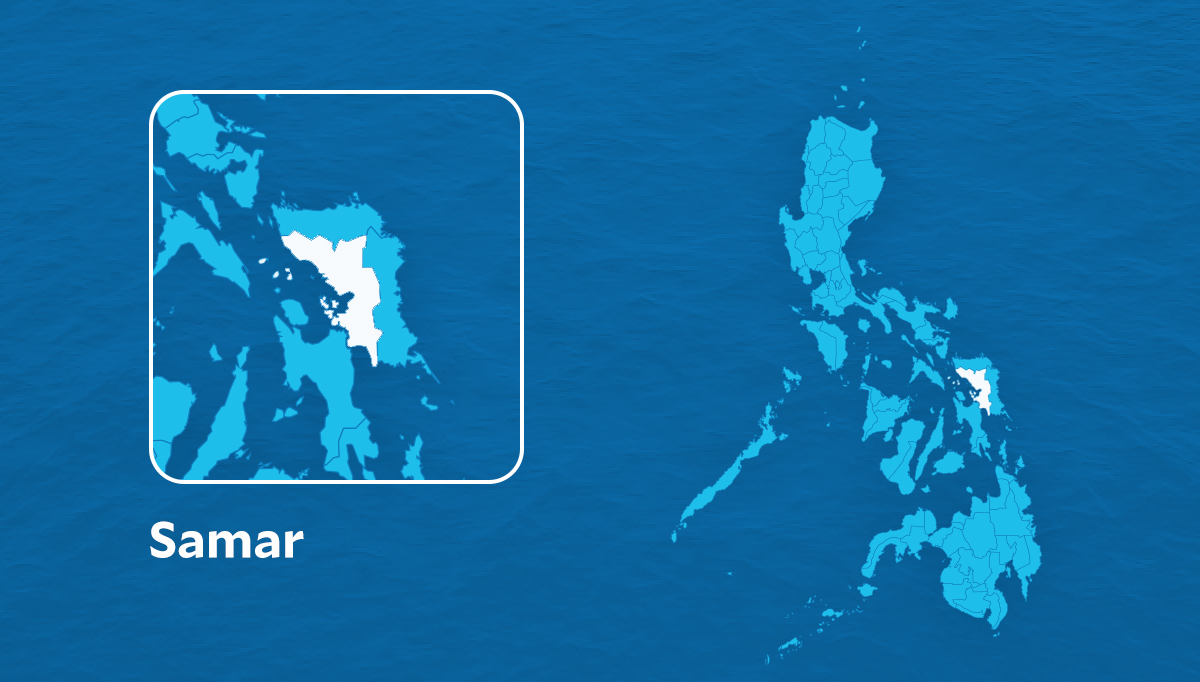
TACLOBAN CITY, LEYTE, Philippines — Health authorities in Samar are closely monitoring a surge in suspected chikungunya infections after cases climbed to 225, affecting three municipalities and prompting intensified surveillance and mosquito control measures. Data from the Provincial Health Office (PHO) showed that Basey recorded the highest number of suspected cases with 124, followed by Gandara with 98, and Paranas with three. Chikungunya is a viral disease transmitted through the bite of infected Aedes aegypti and Aedes albopictus mosquitoes—the same mosquitoes that spread dengue and Zika. While the disease is rarely fatal, it can cause debilitating joint pain that may persist for weeks or even months. To confirm the outbreak, the PHO has sent 12 blood samples—six each from Basey and Gandara—to the Research Institute for Tropical Medicine (RITM) for laboratory testing. Results are expected within two to three weeks. READ: Chikungunya outbreak in Samar town prompts massive cleanup drive Provincial health records showed that the first suspected cases were reported on Feb. 5, when nine infections were detected in Gandara. No additional cases were recorded in the succeeding months until the disease resurfaced last month, raising concerns about renewed local transmission. Health officials said the symptoms of chikungunya closely resemble those of dengue and include sudden fever, severe joint pain, muscle pain, headache, skin rashes, and fatigue. READ: UP study finds disturbed habitats may harbor more mosquito viruses Unlike dengue, however, chikungunya rarely causes severe bleeding or death, but patients often experience prolonged joint pain that can affect daily activities. In response, the PHO has issued an advisory to all municipalities, particularly Basey, Gandara, and Paranas, urging residents to eliminate stagnant water and other mosquito breeding sites around their homes. The office also appealed to the public to rely only on information released by the PHO and other health authorities to prevent misinformation and unnecessary panic, and advised residents to avoid self-medication and seek medical consultation if symptoms develop. Rural health units have likewise been directed to coordinate closely with barangay officials to intensify case monitoring, health education campaigns, and mosquito control measures aimed at preventing further spread of the disease. /cb
多角的分析
チクングニア熱の発生は、医療費の増加、労働生産性の低下、観光業への影響といった経済的損失をもたらす可能性がある。特に、長期にわたる関節痛は、患者の労働能力を著しく低下させ、家計に負担をかける。また、公衆衛生対策への支出増加も、地方自治体の財政を圧迫する要因となりうる。
投資家にとって、感染症の流行は短期的なリスク要因となる。特に、地域経済に依存する観光関連産業や、医療サービスへの需要増が見込まれる。しかし、長期的な視点では、公衆衛生インフラへの投資や、感染症対策関連技術への関心が高まる可能性も考えられる。フィリピン全体への影響は限定的だが、地域によっては景気への影響が懸念される。
サマール州の3つの自治体、特にバセイとガンデラでは、チクングニア熱の疑い例が急増しており、住民の健康と日常生活に直接的な影響を与えている。感染者やその家族は、激しい関節痛に苦しみ、仕事や家事を行うことが困難になる。また、感染拡大への不安や、保健当局からの情報への依存度が高まる中で、誤情報の拡散やパニックの防止が課題となっている。地方の保健ユニットとバランガイ役人の連携強化は、地域住民の健康を守るための重要な取り組みである。
サマール州の住民、特にバセイとガンデラでは、チクングニア熱の疑い例の増加により、日常生活に大きな不安を感じている。感染すれば、数週間から数ヶ月に及ぶ関節痛に苦しみ、仕事や家事、子供の世話などが困難になる可能性がある。蚊の発生源対策や衛生指導の強化は、住民自身が感染を防ぐための重要な行動となるが、医療へのアクセスや情報共有の円滑さが、不安軽減のために不可欠である。
背景・歴史的文脈
チクングニア熱は、東南アジアを含む熱帯・亜熱帯地域で広く見られる蚊媒介感染症である。フィリピンでは、デング熱と共に、Aedes属の蚊によって媒介される主要な公衆衛生上の課題となっている。過去にも、特に雨季に感染が拡大する傾向があり、地方自治体は蚊の発生源対策と住民への啓発活動を継続的に行っている。しかし、気候変動による異常気象や都市化の進展は、蚊の生息環境を変化させ、感染症の流行リスクを増大させる要因となっている。今回のサマール州での発生は、これらの構造的な課題が改めて浮き彫りになった形である。
原文ソース
Inquirer NewsInfo