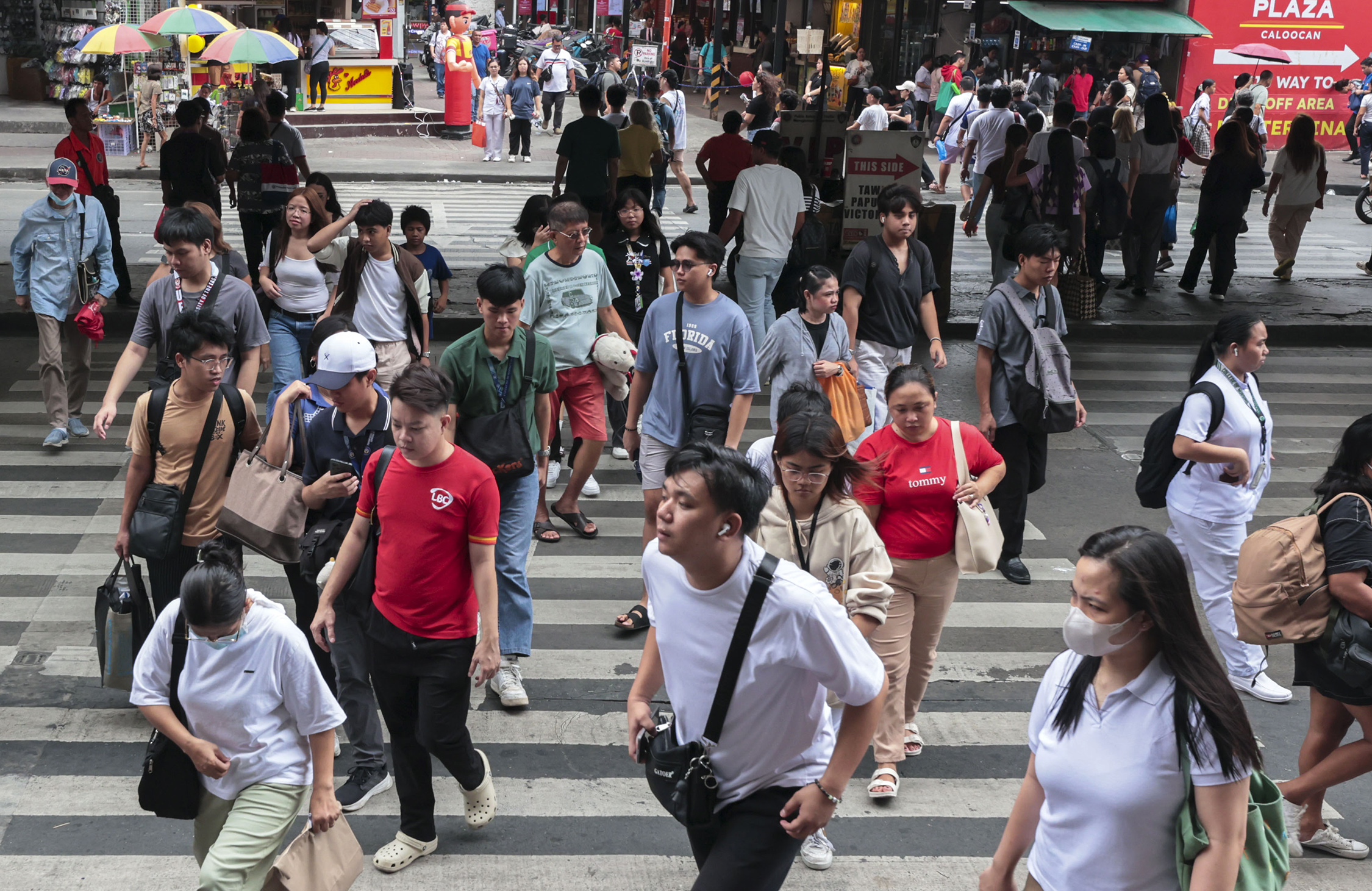
Filipino adults shoulder heavy family support burden, hindering financial future
A Manulife survey reveals that two-thirds of Filipino adults financially support family members, significantly exceeding the Asian average and making it harder for them to achieve long-term financial and health goals.
This article requires PRO
This article is outside the free access window or is a special report. PRO unlocks it and the full archive.
Related articles
- Peso Strengthens on Lower Unemployment Data, Closes at P62.75:$1
The Philippine peso strengthened against the US dollar, buoyed by positive domestic employment data indicating a drop in the unemployment rate. Closing at P62.75:$1, the peso's appreciation is also attributed to easing concerns over third-quarter import surges and anticipation of increased OFW remittances in the fourth quarter.
- Palace Exec: 'Political Noise,' Fake News Hinder PH Economy
A top Palace official attributed the Philippines' recent economic slowdown to "political noise" from destabilizers and fake news. Undersecretary Claire Castro stated these factors, alongside the Middle East crisis and natural calamities, are deterring investment and hindering growth.
- PSEi Rebounds to 5,700 Level on Improved Unemployment Data
The Philippine Stock Exchange index (PSEi) rebounded to the 5,700 level, buoyed by a decrease in the unemployment rate to 5.3% in August. Improved labor market data boosted investor sentiment.
- Philippine Budget Squeezed by Rising Debt Costs, Social Spending Faces Cuts
The proposed 2027 national budget for the Philippines, set to increase by 6% to P7.2 trillion, faces significant pressure from rising debt servicing costs, leading to projected cuts in crucial social services like education and health, according to a congressional think tank.