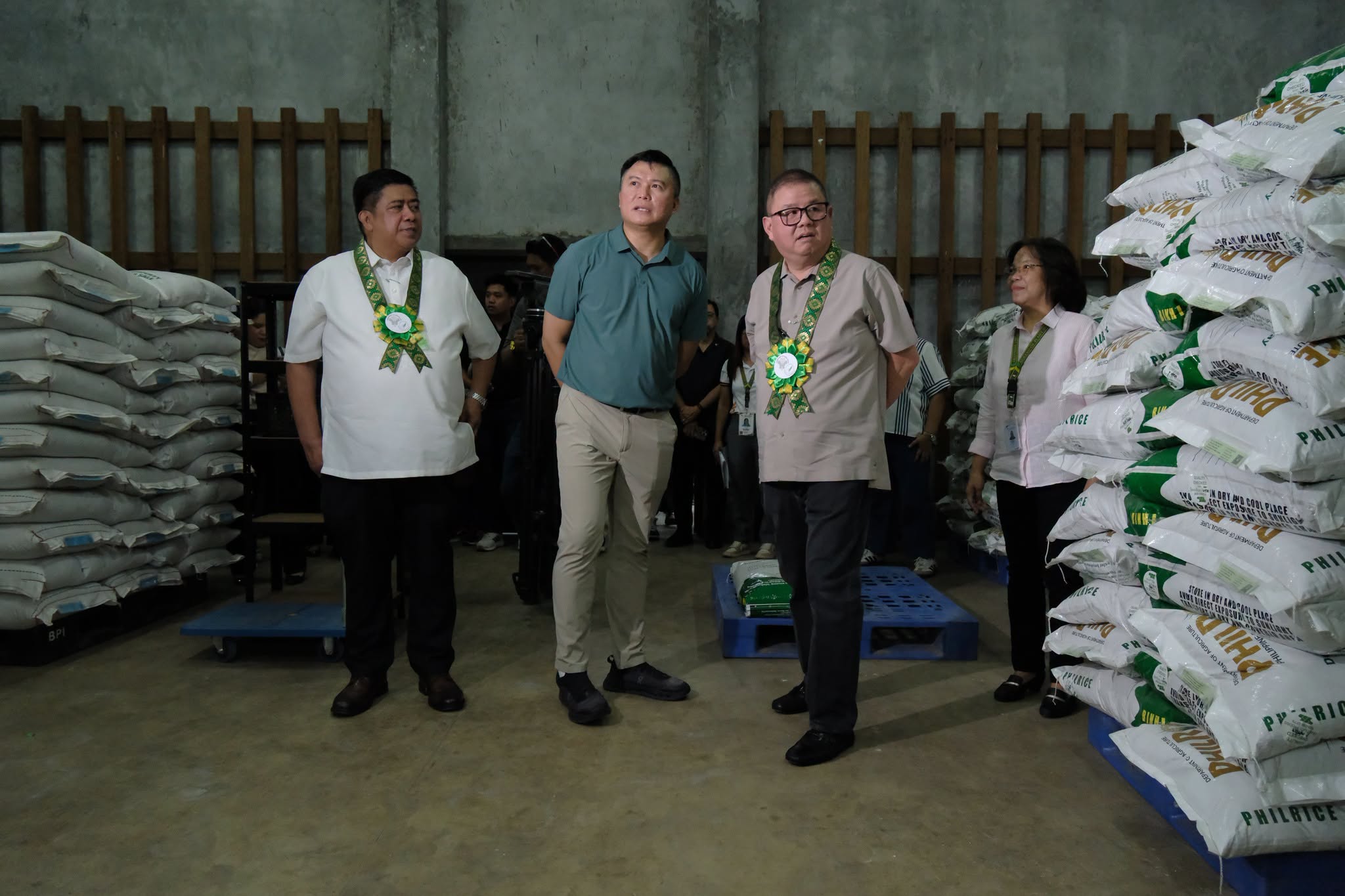
Philippines Inaugurates National Seed Reserve Facility to Bolster Food Security
The Philippines' Department of Agriculture has opened a National Seed Reserve Facility, a long-term storage hub for high-quality seeds, aimed at bolstering food security. The initiative seeks to enable rapid post-disaster recovery and stabilize food production.
The Department of Agriculture (DA), through the Bureau of Plant Industry (BPI), has officially inaugurated the National Seed Reserve Facility, a centralized storage hub designed to ensure a reliable supply of high-quality seeds for both regular crop production and post-disaster recovery efforts. This initiative is a significant step towards bolstering the nation's food security. Located within the BPI compound in Quezon City, the facility was transformed from an old warehouse that the agency refurbished and expanded. Agriculture Secretary Francisco Tiu Laurel Jr. highlighted during the inauguration that the BPI utilized its savings to rebuild and expand this crucial facility. Secretary Tiu Laurel announced that the DA has allocated P250 million this year to establish additional seed reserve facilities across the country. BPI Director Glenn Panganiban further elaborated that this budget will fund the construction of seed reserve facilities in five key centers: Baguio, Los Baños, Guimaras, La Granja, and Davao. The Quezon City facility is powered by solar energy and will also offer secure seed storage services to partner government agencies and institutions. This capability is vital for safeguarding the country's agricultural resources against disruptions caused by natural disasters and other emergencies. "In the face of stronger typhoons, prolonged droughts, and other climate-driven disruptions, having a dependable reserve of quality seeds means we can help farmers replant quickly, restore food production faster, and strengthen the resilience of our agriculture sector. This facility is about ensuring that food security is never compromised, even during the most challenging times," Tiu Laurel stated. He also emphasized that maintaining a secure seed reserve would reduce the risk of planting delays after calamities, enabling agricultural production to recover more quickly and minimizing supply disruptions that could lead to increased food prices. Director Panganiban added, "The facility aims to ensure the long-term preservation, quality, and timely availability of seeds for regular planting programs, disaster response, rehabilitation efforts, and other priority government initiatives.” Given the Philippines' vulnerability to climate change, marked by frequent typhoons and droughts, securing a stable supply of seeds is paramount for the livelihoods of rural communities and the overall food security of the nation.
多角的分析
この国家種子備蓄施設の開設は、フィリピンの食料安全保障という経済的基盤を強化する上で、直接的かつ長期的な貢献が期待される。種子の安定供給は、農業生産性の向上と、災害発生時の迅速な復旧を可能にし、食料価格の安定化に寄与する。これは、インフレ抑制や農村部の所得向上にも間接的に繋がるだろう。過去の事例では、災害後の種子不足が食料生産の回復を遅らせ、輸入依存度を高めたケースもあり、今回の取り組みはこうしたリスクを軽減するものである。P250 millionという投資額は、国家的な食料安全保障へのコミットメントを示している。
農業セクターへの投資家にとって、この施策はポジティブなシグナルと捉えられる。種子の安定供給は、農業生産の予測可能性を高め、投資リスクを低減させる。特に、気候変動の影響を受けやすいフィリピンにおいて、災害からの回復力を強化するインフラは、長期的な農業ビジネスの安定に不可欠である。BPO産業など、他の成長分野への投資が先行する中で、農業インフラへの政府投資は、関連産業(農業資材、加工食品など)への間接的な投資機会も創出する可能性がある。
この施設は、農村部の小規模農家にとって、災害からの迅速な立ち直りを可能にする生命線となる。台風や干ばつで種子を失った農家が、政府の備蓄から種子を迅速に入手できれば、次の収穫期を逃さずに済み、生計の維持に直結する。ケソン市だけでなく、国内5カ所に施設が設置される計画は、地方の農家へのアクセスを改善し、格差是正にも繋がる可能性がある。一方で、施設の維持管理や種子の品質管理が適切に行われるかが、その実効性を左右する。
フィリピン市民、特に食料価格の変動に敏感な層にとって、この施設は食料供給の安定化と将来的な価格高騰の抑制に繋がる可能性がある。頻繁に発生する自然災害による食料供給の途絶は、しばしば物価上昇を引き起こす。国家種子備蓄は、こうしたショックを緩和し、家庭の家計への負担を軽減する一助となることが期待される。また、国内農業の自給自足能力の向上は、国民全体の食料安全保障への安心感に繋がる。
背景・歴史的文脈
フィリピンは、太平洋火山の環に位置し、台風銀座に属するため、自然災害の影響を非常に受けやすい。過去数十年にわたり、大規模な台風、火山噴火、地震などが頻繁に発生し、農業生産に壊滅的な被害をもたらしてきた。これらの災害は、食料供給の途絶、価格高騰、農村部の貧困悪化を引き起こす主要因となっている。特に、2013年の台風ヨランダ(ハイエン)のような壊滅的な災害の後、食料備蓄と復旧能力の重要性が改めて認識された。国家種子備蓄施設の設立は、こうした歴史的な教訓と、気候変動による災害リスクの増大に対応するための、政府の長期的な食料安全保障戦略の一環である。
原文ソース
GMA Money Philippines