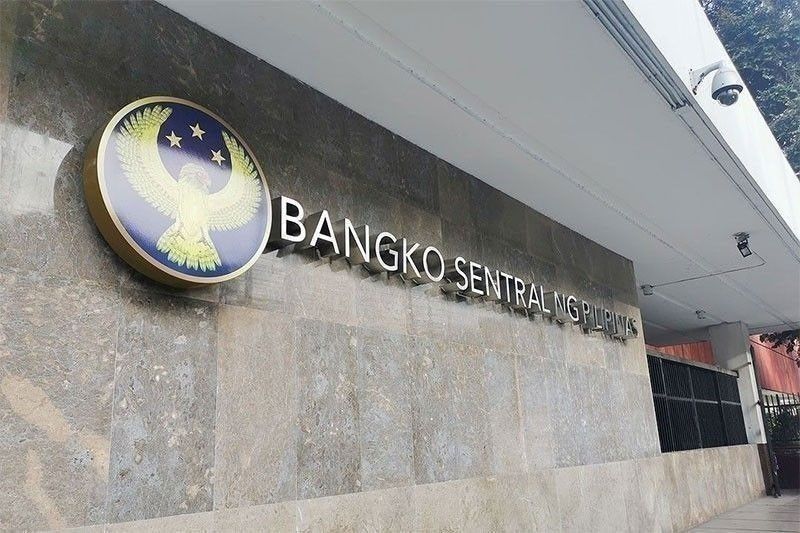
Philippines Joins Upper-Middle Income Club, But BSP's Free Fund Transfer Mandate Raises Concerns
The Philippines has been classified as an upper-middle income country (UMIC) by the World Bank. However, the central bank's (BSP) mandate for free person-to-person electronic fund transfers is raising concerns about the financial institutions' revenue models and service provision.
The Philippines has officially joined the ranks of upper-middle income countries (UMICs) as per the latest data released by the World Bank. This classification, based on a Gross National Income (GNI) per capita of $4,850 in 2025, signifies a positive economic trajectory for the nation. Economic officials have hailed the upgrade as a testament to the country's resilience and adherence to its development agenda. Department of Economic Planning and Development (DEPDev) Secretary Arsenio Balisacan stated that the achievement "confirms the resilience of the Philippine economy." Executive Secretary Ralph Recto added that it means "our economy is growing more, more jobs are being created, the income of our countrymen is increasing, and more investors are trusting the Philippines." However, amidst this positive economic news, a recent directive from the Bangko Sentral ng Pilipinas (BSP), the country's central bank, has sparked debate. Circular 1238, effective July 4, mandates that person-to-person (P2P) electronic fund transfers (EFTs) must be free of any charges or deductions for recipients. The author of the article criticizes this mandate as "price control and monetary coercion." The argument is that providing EFT services incurs significant costs related to technology, fraud management, and regulatory compliance. Forcing financial institutions, particularly electronic money issuers (EMIs) whose revenue largely depends on service fees, to offer services for free is deemed unfair and unsustainable. The article further points out that banks and EMIs have different revenue models, with banks relying more on lending and deposits, while EMIs depend heavily on transaction fees. A one-size-fits-all approach by the BSP is therefore considered inappropriate. Comparisons are drawn to other countries like Thailand and India, suggesting that zero-fee transfer models do not automatically guarantee universal adoption or profitability. The importance of competition among financial service providers is also highlighted as crucial for ensuring service availability and affordability. Concerns are also raised regarding the impact on offline cash-in and cash-out services, which are vital for the unbanked and underbanked populations, particularly in Visayas and Mindanao. The BSP is urged to focus on price stability and foster a market-based environment for service fees, rather than imposing rigid mandates. The transition to an upper-middle income status presents an opportunity for the Philippines, but the implementation of such financial policies will be critical in determining the long-term impact on its citizens and the broader economy.
多角的分析
フィリピンのUMICへの昇格は、経済成長と国民所得の増加を示す指標である。しかし、BSPの無料送金手数料義務化は、電子ウォレット事業者(EMI)の収益モデルを直撃する。EMIの収益の90%がサービス手数料に依存しているという指摘は、この政策が彼らの事業継続性に深刻な影響を与えうることを示唆している。手数料収入の減少は、サービスの質低下、イノベーションの停滞、さらには一部事業者の撤退を招く可能性があり、結果としてフィンテック市場全体の競争力低下に繋がる恐れがある。これは、国民が享受するデジタル決済の利便性やアクセシビリティを損なうリスクを孕んでいる。
今回のBSPによる無料送金手数料義務化は、フィリピンのフィンテックセクターへの投資環境に不確実性をもたらす。特に、サービス手数料を収益の柱とするEMIにとっては、収益性の悪化が懸念される。これは、新規参入や既存事業者の事業拡大に対する投資家の慎重姿勢を招く可能性がある。一方で、UMICへの昇格は、マクロ経済の安定と成長期待を高めるため、全体的な投資環境としてはポジティブに捉えられる側面もある。しかし、規制リスクの増大は、特に短期的な投資判断において、リスクプレミアムの上昇を招く要因となりうる。
フィリピンがUMICに昇格したことは、国民全体の所得水準の向上という恩恵をもたらす一方で、BSPの無料送金手数料義務化は、特に地方や低所得者層に影響を与える可能性がある。記事で指摘されているように、43%のユーザーがオフラインでの現金入出金を利用しており、これは特にビスヤヤスやミンダナオ地方、そして銀行口座を持たない層にとって重要である。手数料無料化がEMIの収益を圧迫し、結果としてこれらのチャネルの維持やサービス提供に支障が出れば、最も支援を必要とする層へのアクセスが制限される恐れがある。これは、デジタル金融包摂の推進という本来の目的とは逆行する結果を招きかねない。
フィリピン国民にとって、UMICへの昇格は、経済的な進歩の証として歓迎されるべきニュースだ。しかし、BSPが導入した個人間送金手数料無料化政策は、日々の生活に密接に関わるデジタル決済の利用体験に直接的な影響を与える。多くのフィリピン人が利用するGCashやMayaといった電子ウォレットの運営コストが増加し、サービス提供が不安定になる、あるいは手数料が別の形で転嫁されるといった懸念が生じている。特に、銀行口座を持たない層や、遠隔地で生活する人々にとって、手数料無料化がもたらす利便性の低下は、生活の負担増につながる可能性がある。
背景・歴史的文脈
フィリピンは長年、開発途上国からの脱却を目指し、経済成長と国民所得の向上に努めてきた。2010年代以降、IT・BPO産業の発展や海外からの送金などを背景に、GNI一人当たり所得は着実に上昇してきた。2018年には、世界銀行の基準で低・中間所得国から上・中間所得国への移行が一度見送られたが、経済の底堅さから今回、基準を満たすに至った。一方、フィリピン中央銀行(BSP)は、デジタル決済の普及と金融包摂の推進を政策目標として掲げ、近年、電子ウォレット(EMI)の利用を奨励してきた。しかし、EMIの収益構造やサービス提供の持続可能性に関する十分な議論がないまま、手数料無料化という急進的な政策が打ち出されたことは、市場関係者から懸念の声が上がっている。
原文ソース
Philstar Business