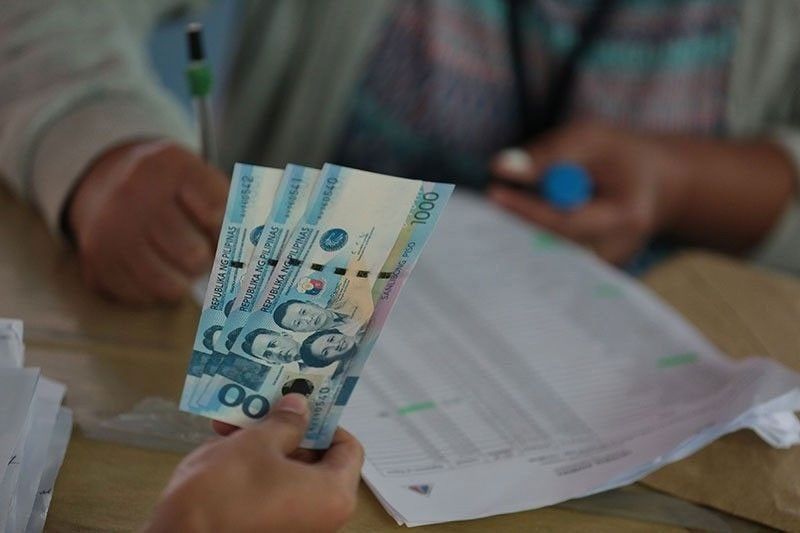
P12.4 Billion Allotted for Expanded Cash Aid Amid Middle East Tensions
Society
2026年7月16日
5
Philstar Nation

P12.4 Billion Allotted for Expanded Cash Aid Amid Middle East Tensions

AI サマリー

The Philippine government has allocated P12.375 billion to expand its cash assistance program for low-income sectors, aiming to cushion the impact of ongoing Middle East tensions. The initiative is expected to benefit approximately 7.5 million households, or 37.5 million Filipinos.

MANILA, Philippines — The government has allotted a P12.375 billion budget for the extended cash assistance to low-income sectors in response to the continued tensions in the Middle East. Malacañang announced on Thursday, July 16, that around 7.5 million households or 37.5 million Filipinos will benefit from the extended Unified Package for Livelihoods, Industry, Food, and Transport program. Around 3.5 million of them are beneficiaries of Pantawid Pamilyang Pilipino Program (4Ps) and Walang Gutom Program. They are set to receive an additional P2,000 as a one-time cash aid. Also included in the cash assistance are the 2.5 million poor and near-poor households identified on the 2024 community-based monitoring system. Meanwhile, 1.5 million low-income workers who are members of the Social Security System and their families will also receive P2,000 monthly from July to December. The Department of Social Welfare and Development (DSWD) will lead the distribution of the cash assistance through digital banks. “Patuloy lang ang pagkilos ng pamahalaan upang salagin ang epekto ng krisis sa langis sa kabuhayan ng mga mamamayan. Hindi titigil ang gobyerno sa pagsuporta sa mga pamilyang Pilipino na nasa laylayan ng lipunan,” Palace Press Officer Claire Castro said in a press briefing on Thursday, July 16. (The government continues to act to ward off the effects oil crisis on the lives of people. The government will not stop supporting the Filipino families who are on the margins of society.) The budget was already released yesterday by the Department of Budget and Management (DBM), according to Castro. Malacañang also addressed the concern regarding the lack of government aid for the middle-class sector, clarifying that there still are government projects intended to benefit them, either directly or indirectly. According to Castro, the government is avoiding an increase in fare prices amid the possibility of further oil price hikes to also prevent a spike in prices of goods and commodities. “Maaaring ang makinabang din dito ay lahat tayo dahil hindi agad tataas ang presyo ng bilihin. Hindi tataas ang presyo ng pamasahe,” Castro said. (We may all benefit from this because the prices of goods will not immediately increase. The fare prices will not increase) Castro also stressed that while the government is aware that everyone is affected by the impact of the Middle East conflict, the budget of the government remains limited, therefore, having the need to prioritize the low-income population in distributing cash aid. “Alam natin na lahat naman tayo ay nakakaranas ng epekto ng crisis sa Middle East. Pero tandaan po natin ang budget ng gobyerno ay binabalanse sa mga dapat na mabigyan agad ng ayuda,” Castro said. “Hindi problema kung napakarami siguro nating budget pero ang budget ngayon talagang pinagkakasya ng gobyerno.” (We know that all of us are experiencing the effects of the crisis in the Middle East. But let us remember that the government's budget is being balanced to ensure that those who need assistance immediately receive it. It wouldn't be a problem if we had a very large budget, but the government is stretching its current budget as much as possible.)

多角的分析

経済的影響

中東情勢の緊迫化は、フィリピン経済にとって直接的な影響をもたらす。特に、石油価格の上昇は、輸送コストの増加を通じて、食料品や生活必需品の価格高騰(インフレ)を招く。今回の政府による現金給付は、このインフレによる低所得者層への打撃を緩和する措置であるが、根本的な解決策ではない。長期的な経済安定のためには、エネルギー源の多様化や国内生産能力の強化といった構造的な対策が不可欠である。また、海外労働者(OFW)からの送金はフィリピン経済の重要な柱であるが、中東情勢の悪化はOFWの雇用や送金に影響を与える可能性があり、経済全体のリスク要因となりうる。

投資家心理

今回の現金給付拡大は、短期的に国内消費を下支えする効果が期待される。特に、低所得者層が生活必需品に支出を向けることで、小売業や食品関連産業には一定の恩恵があると考えられる。しかし、投資家にとっては、中東情勢の不確実性が依然として大きなリスク要因となる。石油価格の動向や地政学的なリスクの高まりは、フィリピン経済全体の成長見通しに影を落とす可能性がある。そのため、直接的な恩恵を受けるセクターへの限定的な投資はあり得るものの、全体としては慎重な姿勢が求められるだろう。政府の財政状況や、インフレ抑制策の有効性も注視すべき点である。

社会的影響

今回の現金給付は、フィリピン社会における経済格差の大きさを改めて浮き彫りにしている。特に、低所得者層は、国際情勢の変動による物価上昇の影響を最も直接的に受ける脆弱な立場にある。パンタウィッド・パミリアン・ピリピノ・プログラム(4Ps)などの既存の社会保障制度の受益者への追加給付は、貧困層の生活を一時的に支えるものだが、根本的な貧困削減には至らない。マニラ首都圏の交通費や食料品価格の上昇は、日々の生活に直結しており、多くの市民が不安を感じている。政府は、低所得者層への支援を優先せざるを得ない状況だが、中所得者層への影響も無視できず、社会的な不満が高まる可能性も考慮する必要がある。

市民の声

中東情勢の緊迫化による影響は、フィリピン国民、特に低所得者層の生活に直接的な打撃を与えています。石油価格の上昇は、食料品や交通費といった生活必需品の価格を押し上げ、家計を圧迫します。今回の政府による現金給付は、一時的な救済措置ですが、根本的な解決にはなりません。国民としては、物価の安定と、より持続可能な経済政策を求めています。また、海外で働くフィリピン人労働者(OFW)の安全と雇用も、国民生活に大きく関わる問題であり、政府の対応が注視されています。

背景・歴史的文脈

フィリピンは、エネルギー資源の多くを輸入に依存しており、国際的な原油価格の変動に経済が大きく左右される構造にある。特に、中東地域は主要な原油供給地であり、同地域での紛争や地政学的な緊張の高まりは、直接的に石油価格の上昇を招き、フィリピン国内のインフレを加速させる要因となる。過去にも、湾岸戦争や近年のウクライナ侵攻など、中東情勢の不安定化はフィリピン経済に打撃を与えてきた。政府は、こうした外部ショックから国民、特に脆弱な低所得者層を守るため、社会保障プログラムを通じた現金給付や、価格抑制策を講じてきたが、財政的な制約からその効果は限定的である。海外労働者(OFW)からの送金はフィリピン経済の生命線であるが、中東地域に多くのOFWが働くため、同地域の不安定化は送金収入の減少リスクも伴う。

原文ソース

Philstar Nation

原文を読む