General articles are free for 24 hours after publish.
Butuan City Declares State of Calamity Amid Worsening Water Crisis
Butuan City in the Philippines has declared a state of calamity due to a prolonged dry spell severely disrupting water services, affecting one-third of its population. Authorities are pursuing infrastructure upgrades and groundwater exploration to address the shortage.
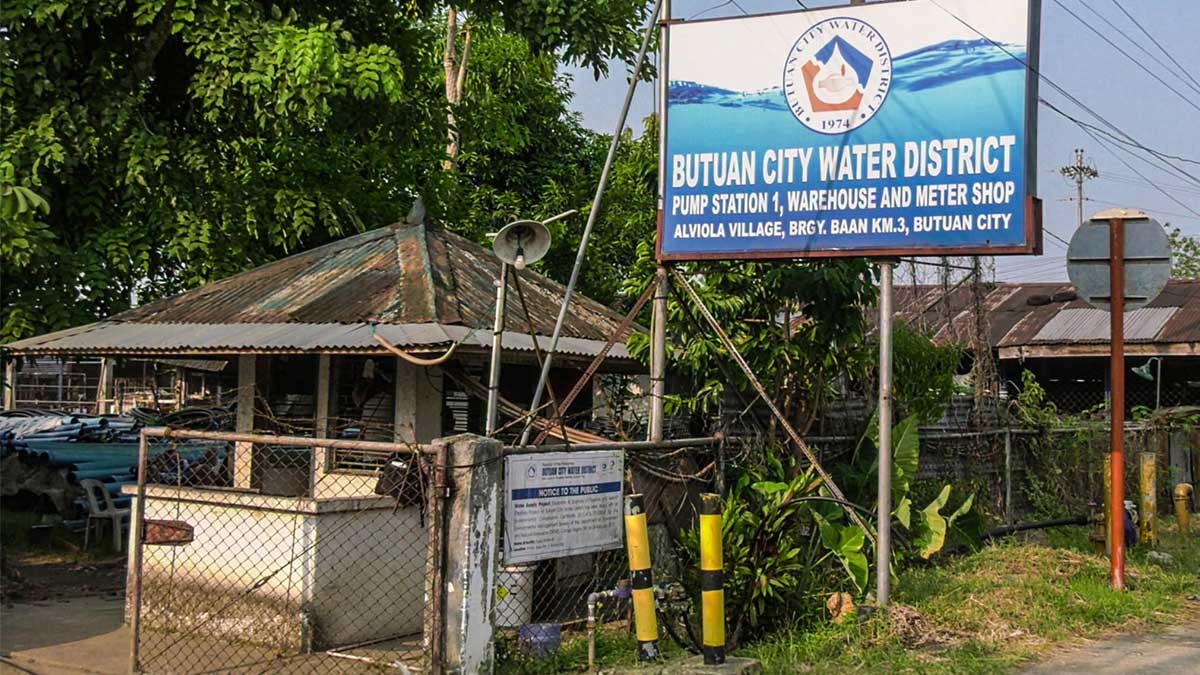
BUTUAN City has been placed under a state of calamity as a prolonged extreme dry spell continues to disrupt water services, affecting a third of its population. The state of calamity was declared on Saturday, Sept. 5, during the Sangguniang Panlungsod (SP) 3rd Special Session, which was presided over by Vice Mayor Reynante Desiata. “The resolution was approved as the continuing water shortage has significantly affected residents’ access to water across several barangays,” the SP said in a statement. As of Sept. 4, the Butuan City Water District (BCWD) reported that 91,425, or a third of its 269,000 residents, are experiencing low-pressure to no-water service as water availability continues to decline. The water shortage is linked to the prevailing dry spell in Agusan del Norte, including Butuan City, which has experienced a significant rainfall deficit. The Philippine Atmospheric, Geophysical and Astronomical Services Administration said the province had been under dry spell conditions since Aug. 23. BCWD and the city government have already implemented water rationing and other measures in affected areas, but these interventions remain insufficient as the shortage continues, the resolution stated. While residents acknowledged the importance of water rationing during emergencies, a constituent pointed out that the program should not become a substitute for reliable infrastructure and long-term preparation. “Emergency measures should remain emergency measures. They cannot become institutionalized substitutes for infrastructure,” Luna Kaisog stated. The state of calamity declaration allows the city government and affected barangays to mobilize additional resources and access their quick response funds for measures such as the supply and installation of water tanks, tankers, pumps, filtration systems, and other needs for water distribution and rationing. The city Public Information Office (PIO) said the local government is doing everything possible to assist affected residents. Authorities are assessing several pumping stations for possible rehabilitation. Based on BCWD recommendations, Pumping Stations 2, 3, and 16 have been identified as potential sources of additional water. The city government and BCWD are also considering conducting geo-resistivity surveys to locate groundwater sources, assess aquifer levels, and determine whether the water found is fresh or saline. Several areas are also being evaluated for possible re-drilling. The PIO said any source considered for rehabilitation or development would undergo testing to determine its water quality, yield, and long-term reliability before being used for public distribution. An open letter from concerned residents questioned the reliability of the BCWD’s water sources, its contingency measures, and the billing of customers who receive little or no water. Engr. Sergio Pascual, a former city councilor, blamed the crisis on what he described as an alleged failure of leadership among city officials. Pascual said water shortages had been a recurring problem for about a decade, yet the city government had failed, according to him, to establish a long-term solution.
Original source
Inquirer NewsInfo