General articles are free for 24 hours after publish.
Cambodia Promotes Gender Equality and Decent Work Towards LDC Graduation
Cambodia's Ministry of Labour and Vocational Training has concluded a forum aimed at promoting gender equality, women's empowerment, and decent work as the nation targets graduation from LDC status in 2029. Enhancing women's skills and ensuring safe working environments are deemed crucial to meet rising international market demands.
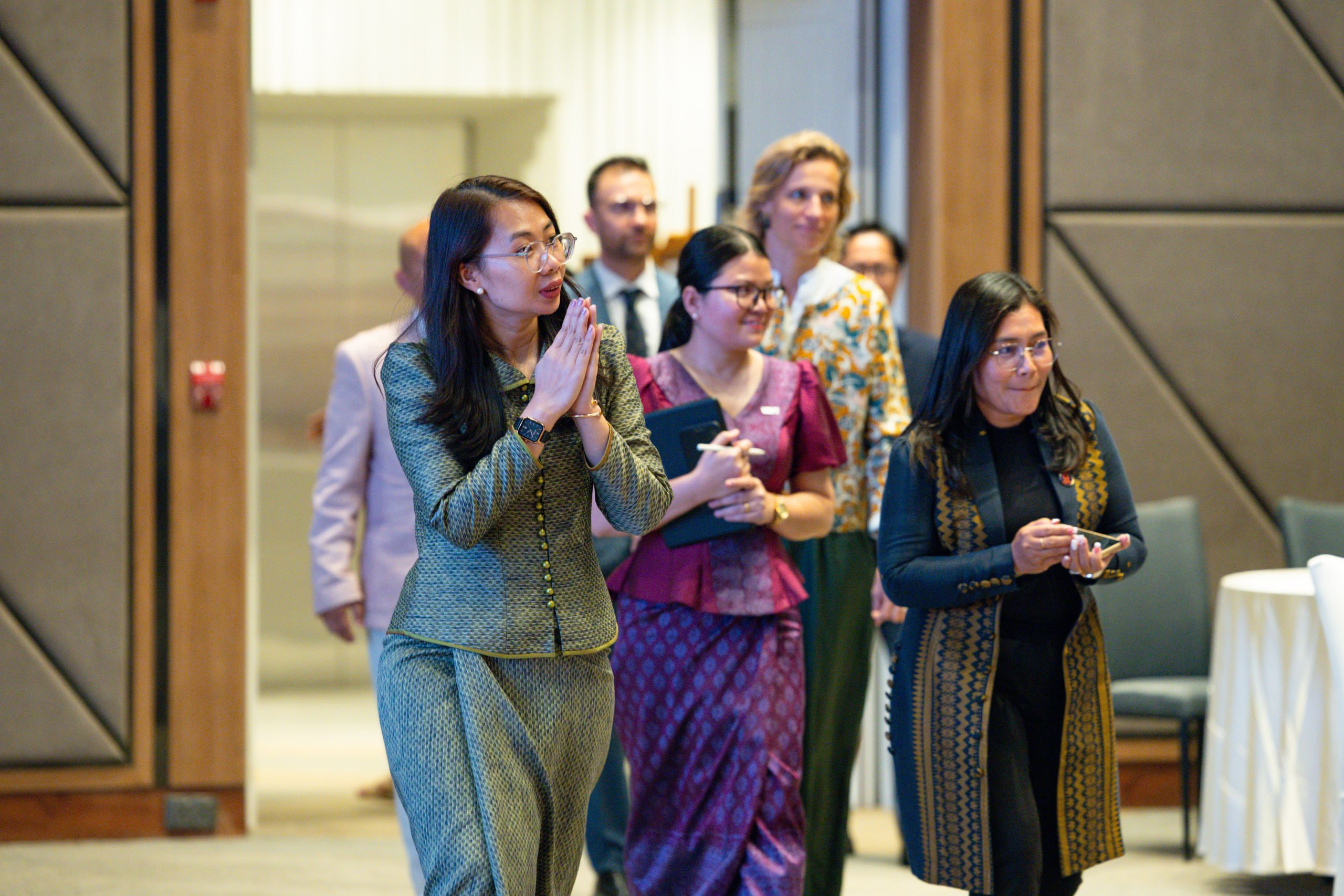
The Ministry of Labour and Vocational Training presided over the closing ceremony of the 5th Gender Equality Forum, themed “Dialogue Towards Implementation of Promoting Gender Equality and Safe Working Environments, Supporting Cambodia’s Graduation from Least Developed Country (LDC) Status,” on the afternoon of September 22, 2026, at the Sun & Moon Hotel in Phnom Penh. The event saw participation from ministries, state institutions, development partners, the private sector, civil society organizations, and employee representatives. Its aim was to enhance understanding and promote multi-stakeholder dialogue towards practical actions in promoting gender equality, women's empowerment, human rights, decent work, and the creation of safe and inclusive workplaces, contributing to Cambodia's sustainable economic and social development as it prepares to graduate from LDC status. Speaking at the event, the Acting Minister of Labour and Vocational Training stated that Cambodia is projected to graduate from LDC status in December 2029, a significant milestone in its development. Alongside this pride, Cambodia must also prepare for changes in trade conditions and increasingly higher demands from international markets. Therefore, the challenges of this transition must be transformed into opportunities for strengthening the resilience and competitiveness of enterprises and for creating decent work. The Acting Minister highlighted the importance of women's participation in the Garment, Textile, Footwear, and Travel Goods and Bags (GFT) sector, a crucial part of Cambodia's economy. Responding to the changes in technology and the labour market, as well as investing in reskilling, upskilling, and technological skills, including Artificial Intelligence (AI), were mentioned as key factors in strengthening women's capabilities and enabling them to benefit more from the evolving world of work. Concurrently, developing women's leadership and utilizing digital technology were also discussed as part of supporting female workers in the GFT sector towards 2029. The Acting Minister emphasized that ensuring Occupational Safety and Health (OSH) in the workplace, protecting human rights, and preventing gender-based violence and harassment (GBVH) are fundamental to creating safe, equitable, and productive workplaces. Promoting the rights of employees is a necessary foundation for building a resilient and sustainable economy, as well as for building confidence from international investors and buyers. On this occasion, the Ministry of Labour and Vocational Training demonstrated its commitment to continue “transforming dialogue into practical action,” in line with the government's policies and the Strategic Plan for the Development of the Labour Sector, Social Security, and Vocational Training for 2024–2028. This includes a focus on developing labour conditions, occupational safety and health, institutional modernization, strengthening international cooperation, and gender equality. Alongside this, the Acting Minister stressed the importance of promoting employee rights, social protection, skills development, and responsible business practices for Cambodia to continue its path towards inclusive, sustainable, and resilient development.
Original source
CPP Cambodia