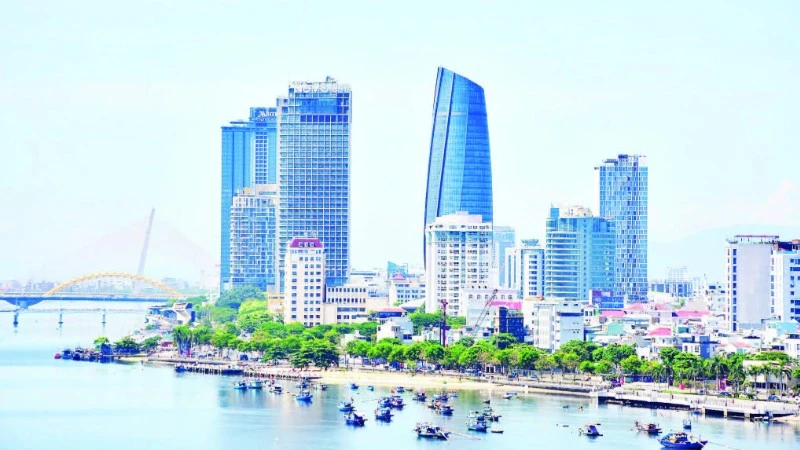
Da Nang City Streamlines Administrative Units to Enhance Governance Efficiency
Politics
2026年7月10日
5
Nhan Dan

Da Nang City Streamlines Administrative Units to Enhance Governance Efficiency

AI サマリー

Da Nang City, Vietnam has completed the consolidation and restructuring of its administrative units, aiming to build a more efficient and modern governance system. This initiative is expected to lead to resource concentration and improved resident services.

Da Nang City, a major urban center in central Vietnam, has completed the restructuring of its administrative units, entering a phase focused on enhancing the effectiveness and efficiency of grassroots governance. This reform, mandated by central government directives, aims to streamline community organizations, strengthen their role as an "extended arm" of the government, and provide better services closer to the people. Prior to the restructuring, Da Nang had 1,076 villages and 3,079 residential groups. Many of these units were smaller than the prescribed standards, leading to dispersed resources and inefficient staffing. Specifically, 45.4% of villages had fewer than 300 households, and 94.8% of residential groups had fewer than 450 households. Following the reorganization, the city now has 724 villages and 732 residential groups, a reduction of 2,699 units in total. Consequently, local Party cells (chi bộ) also decreased from 2,444 to 1,456, a reduction of 988. For instance, in Dien Ban Tay commune, the number of villages was reduced from 30 to 12. In the central Hai Chau ward, 332 residential groups were consolidated into 51, all meeting the central government's minimum requirement of 450 households. This process also led to the reassignment of many non-professional cadres and Party members active at the local level. The restructuring is intended not only to consolidate organizations but also to ensure community stability, reinforce the Party's leadership role, promote resident self-governance, and maintain the connection between the government and the people. Leaders in Hai Chau ward emphasized that this process is crucial for community stability and development, extending beyond mere organizational integration. The Da Nang City People's Council approved a resolution outlining the number, positions, benefits, and policies for non-professional officials and participants in the reorganized villages and residential groups. This is projected to save approximately 324 billion Vietnamese dong annually. The reform is expected to strengthen grassroots governance, bring the government closer to the people, and facilitate the timely resolution of community issues. The Deputy Director of the Department of Home Affairs stated that this large-scale restructuring will have extensive impacts on the entire grassroots political system. The approach prioritizes community stability as a foundation and resident consensus as the goal, aiming for streamlined organizations, the establishment of appropriately sized communities, enhanced utilization of resident resources, and improved quality of grassroots governance. Source: Nhan Dan

多角的分析

経済的影響

行政区画の統合・再編は、行政コストの削減とリソースの効率的な配分を目的としており、長期的な経済成長の基盤強化に寄与すると考えられる。特に、重複する行政機能の排除や、より大きな単位での公共サービス提供によるスケールメリットの追求は、経済効率の向上につながる。ダナン市が年間3240億ベトナムドン(約130万米ドル相当)の節約を見込んでいる点は、財政健全化への意欲を示すものである。これは、ベトナム全体で推進されている行政改革の一環であり、経済成長を支えるための基盤整備という文脈で捉えることができる。

投資家心理

行政区画の再編は、投資環境の安定化と予測可能性の向上に寄与する可能性がある。組織のスリム化と統治の効率化は、ビジネスプロセスにおける行政手続きの簡素化や迅速化につながることが期待される。これにより、投資家はより予測可能で効率的な事業運営が可能になると考えるだろう。ただし、再編に伴う一時的な混乱や、新たな行政単位での手続きの不透明性が生じるリスクも考慮する必要がある。長期的には、透明性と効率性が高まれば、国内外からの投資を呼び込む要因となる。

社会的影響

行政区画の再編は、地域住民の生活に直接的な影響を与える。組織の統合により、住民は以前よりも少ない窓口で行政サービスを受けられるようになる可能性がある一方、地域ごとのきめ細やかな対応が失われる懸念もある。また、再編に伴い、地域社会で長年活動してきた非専門職の担当者や党員が職を失うケースも発生しており、彼らの生活への影響も考慮されるべき点である。ハイチャウ phườngで522名の担当者が職務を継続しないという事実は、地域社会の人的ネットワークに変化をもたらすことを示唆している。

市民の声

行政区画の再編は、住民にとって行政サービスへのアクセス方法の変化を意味する。組織が統合されることで、手続きが簡素化され、より迅速になることが期待される。しかし、地域ごとの細やかなニーズへの対応が低下する可能性や、担当者の変更による人間関係の変化も考えられる。また、再編に伴う人員削減は、地域社会の活動に長年貢献してきた人々の生活に影響を与える可能性があり、そのフォローアップが重要となる。

背景・歴史的文脈

ベトナムにおける行政区画の再編は、経済発展と統治能力の向上を目指す国家的な取り組みの一環である。特に、2010年代以降、政府は行政組織の効率化と「スリム化」を推進しており、中央から地方までの各レベルで組織再編が進められてきた。これは、ベトナム共産党が掲げる「社会主義的市場経済」の発展と、より効果的な社会管理を目指す上での重要な政策課題となっている。ダナン市のような都市部では、急速な都市化と人口増加に対応するため、より効率的な行政サービス提供体制の構築が急務となっていた。過去には、小規模な行政単位が乱立し、リソースの分散や非効率を招くという課題が指摘されており、今回の再編はこうした長年の課題への対応でもある。

原文ソース

Nhan Dan

原文を読む