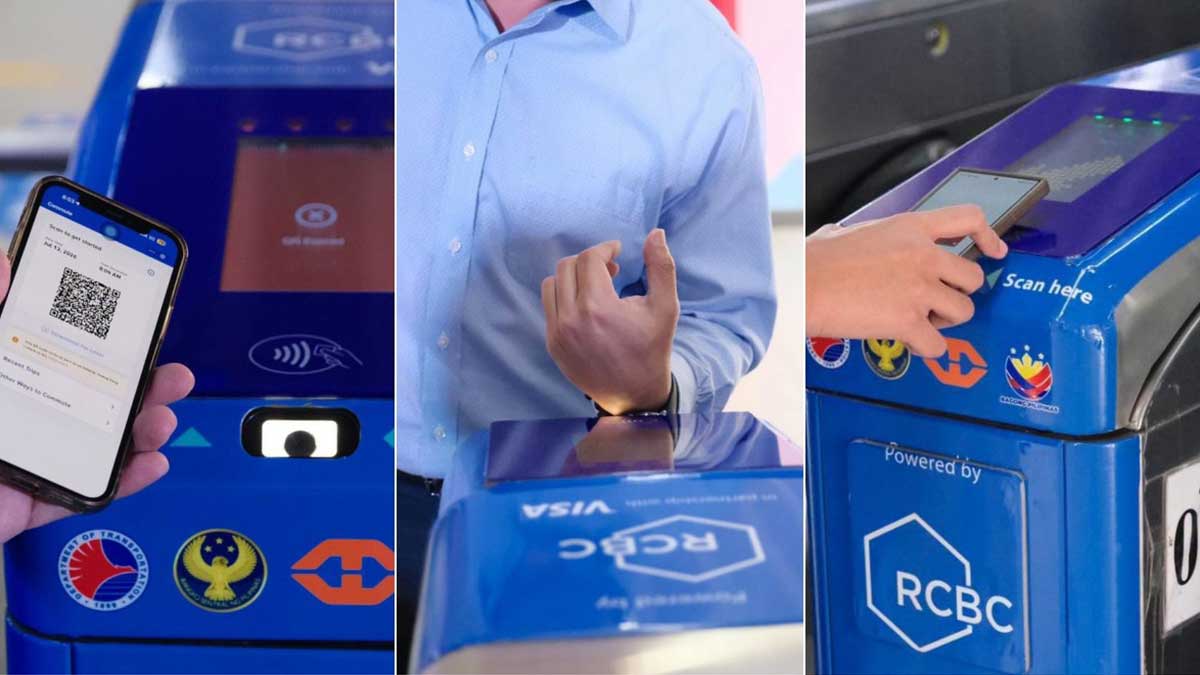
LRT-2 Embraces Cashless Fares, Boosting Convenience for Commuters, Especially Students
The Light Rail Transit Line 2 (LRT-2) in the Philippines has launched a cashless fare payment system, accepting credit/debit cards and mobile payment apps. This initiative aims to enhance commuter convenience, with particular benefits anticipated for students.
MANILA, Philippines — Commuters on the Light Rail Transit Line 2 (LRT-2) can now pay their fares using contactless bank cards, mobile phones, wearable devices, and other digital payment options after the Department of Transportation (DOTr) on Monday launched a cashless fare payment system across the railway. The rollout expands payment options for passengers, who may now use Visa and Mastercard credit and debit cards, NFC-enabled mobile phones and wearable devices, and the GCash Commute QR feature at designated fare gates. READ: GCash, Visa, Mastercard eye PH fare system concession The DOTr said the initiative is part of the government’s ongoing efforts to expand digital payment systems in public transportation, following the introduction of a similar system at Metro Rail Transit Line 3 (MRT-3) in 2025. Transportation Secretary Giovanni Lopez said the cashless payment system is intended to make fare transactions more convenient by allowing passengers to bypass ticket counters. He noted that the system could particularly benefit students, as LRT-2 serves several universities along the University Belt. “This is a big help for our passengers on the LRT-2 line, especially students now that the school year has started. Commuting will be easier because we now have a digital payment system. We know that LRT-2 passes through the University Belt, so this is particularly convenient for our student passengers,” Lopez said. The DOTr said President Ferdinand Marcos Jr. had directed the agency to roll out digital payment systems across rail lines to make fare transactions more accessible and convenient. The agency added that the LRT-2 project was implemented through a partnership among the DOTr, the Light Rail Transit Authority (LRTA), Rizal Commercial Banking Corporation (RCBC), and the Bangko Sentral ng Pilipinas (BSP). Under the Automated Fare Collection System (AFCS), commuters can pay directly at designated RCBC fare gates using EMV contactless bank cards, NFC-enabled mobile phones and wearable devices, or the GCash Commute QR feature. READ: Cashless payments, free Wi-Fi now available at MRT-3 Passengers must tap their chosen payment method upon entering the station and again at RCBC-enabled exit gates when leaving. Transportation Undersecretary for Railways Timothy John Batan said the additional payment options are also expected to lessen dependence on stored-value cards, which have faced supply shortages in the past. “What we are doing today is adding more options—to give our LRT-2 commuters more choices. This is also to ensure that the problems we experienced in the past, when we ran out of cards and chips, will not happen again. Goodbye to card shortages; that is one of the promises of this proof of concept,” Batan said. READ: From 1% to 60%: The Philippine surge in digital payments Batan also said digital payments could provide the government with real-time travel data that may help transport agencies identify areas where additional train trips, routes or rail investments are needed. “Because of what we are doing now, it will be easier for the government, the DOTr, and our other government agencies to determine where our commuters are coming from and where they are going. With real-time data, we will be able to identify where additional train trips are needed, where more routes should be added, and where further investments in the railway system are necessary,” he said. During the launch, Finance Secretary Frederick Go announced RCBC’s Piso Fare Cashback Promo, which will run from July 13 to July 31, 2026. Under the promo, commuters using the MySSS Card Powered by RCBC DiskarTech will pay P1 for qualified LRT-2 rides, while the remaining fare will be credited back to their accounts within three banking days. The offer is valid for up to eight qualified rides per day. “The President instructed us to find ways to make life easier, more affordable, and more convenient for our people. If you have an SSS card, it’s easy to use, and more importantly, you can avail yourself of a P1 fare for the next two weeks when you use it,” Go said. Information and Communications Technology Secretary Henry Aguda said the launch was the result of coordination among government agencies and private sector partners involved in the project. “As you can see, digital payments will not only make transactions more convenient. Secretary Go also mentioned earlier where we now stand with regard to InstaPay and PESONet fees. This is a whole-of-government approach involving the DOTr, the SSS, the PPP Center, everyone who participated in this initiative, the BSP, and our private sector partners,” Aguda said. /cb
多角的分析
LRT-2におけるキャッシュレス決済システムの導入は、フィリピンの公共交通機関におけるデジタル化推進の重要な一歩である。これにより、取引コストの削減、運賃徴収の効率化、そしてリアルタイムな乗客データの収集が可能となり、将来的なサービス改善や投資判断に資する。また、プリペイドカードの供給問題の解消は、利用者へのサービス安定化に貢献する。これは、フィリピン全体で進むデジタル決済へのシフトを公共交通分野で加速させるものであり、電子マネー事業者や金融機関にとっては新たな収益機会となる。
このキャッシュレス化は、フィリピンの公共交通インフラへの投資機会を示唆している。特に、決済システム、データ分析、インフラ整備に関わる企業にとっては、政府との連携による事業展開の可能性が開かれる。過去のプリペイドカード供給問題の解消は、インフラの安定稼働への信頼を高め、長期的な投資環境の改善に繋がる。また、デジタル決済の普及は、フィンテック分野への投資をさらに促進する可能性がある。
LRT-2のキャッシュレス決済導入は、特に学生や若年層の利便性を大幅に向上させる。大学への通学でLRT-2を利用する学生は、現金を持ち歩く必要がなくなり、スマートフォンのアプリやカードでスムーズに乗降できるようになる。これは、彼らの日常生活における小さなストレスを軽減し、大学へのアクセスを容易にする。また、切符売り場での待ち時間短縮は、忙しい学生にとって貴重な時間の節約となる。
今回のLRT-2のキャッシュレス決済導入は、マニラ首都圏の通勤者、特に学生にとって朗報だ。これまで切符購入のために行列に並ぶ必要があったり、小銭の準備に気を遣ったりする必要がなくなった。スマートフォン一つで乗降できるのは、忙しい日常において非常にありがたい。しかし、デジタルデバイドの問題も懸念される。全ての市民がスマートフォンやキャッシュレス決済手段を持っているわけではないため、代替手段の確保や、デジタルリテラシー向上のための支援も同時に求められるだろう。
背景・歴史的文脈
フィリピンでは、政府がデジタル化を国家戦略として推進しており、特に公共交通機関におけるキャッシュレス決済の導入は、その一環として進められている。過去には、プリペイドカードの供給不足が鉄道利用者から不満を買うことがあった。今回のLRT-2でのシステム導入は、こうした過去の課題を克服し、より持続可能で利便性の高い公共交通サービスの提供を目指すものだ。これは、フィリピン国内でのデジタル決済の利用率が急速に伸びている現状(2023年には60%に達したとの報告もある)とも連動しており、国民のデジタル決済への受容度が高まっていることを背景にしている。
原文ソース
Inquirer NewsInfo