General articles are free for 24 hours after publish.
Indonesia Expands Community Empowerment Through Zakat and Waqf Programs
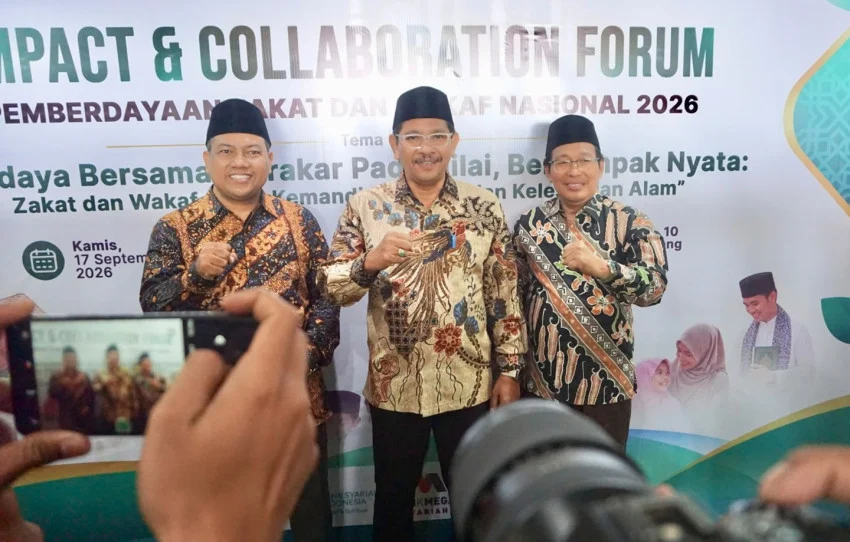
Indonesia's Ministry of Religious Affairs is expanding community empowerment programs utilizing Zakat (charity) and Waqf (endowment). Initiatives include 112 'Zakat Villages,' 15 'Productive Waqf Incubations,' and 9 'Waqf Cities,' aiming to reduce poverty and revitalize local economies.
Indonesia's Ministry of Religious Affairs is significantly expanding its initiatives to utilize Islamic Zakat (charity) and Waqf (endowment) as powerful tools for socio-economic empowerment. According to recent announcements, the ministry has established 112 'Zakat Villages.' These initiatives focus Zakat funds on specific communities to achieve concrete goals such as poverty reduction, educational support, and improved healthcare access. Residents within these villages are expected to take a leading role in formulating and executing sustainable development plans. Furthermore, 15 'Productive Waqf Incubation' projects have been launched. This mechanism involves utilizing Waqf assets, such as land and buildings, for income-generating businesses, with the profits being channeled back into social welfare activities and community development. Examples include attracting small businesses to Waqf land or establishing agricultural processing facilities. The 'Waqf City' concept is also being advanced in nine locations. This aims to strategically use Waqf assets in urban areas to develop public services, housing, and commercial facilities holistically, thereby enhancing the quality of life and stimulating economic activity across the region. This initiative is expected to position Waqf not just as a religious act but as a crucial element of urban development. These programs are designed to maximize the potential of Islamic finance in Indonesia, promoting the improvement of livelihoods for the poor and fostering self-reliance within communities. The Ministry of Religious Affairs intends to pursue more inclusive and sustainable socio-economic development through these endeavors.
Original source
Sindonews