Thailand Scraps Land Bridge Project Due to Unprofitability and Environmental Concerns
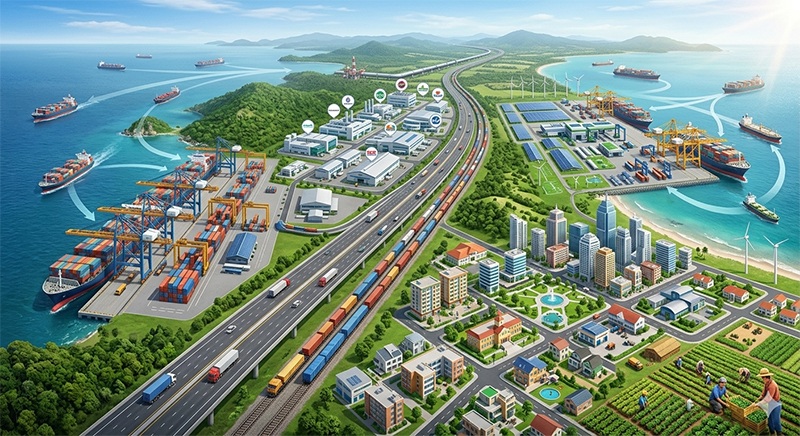
The Thai government has officially scrapped its ambitious Land Bridge megaproject connecting the Gulf of Thailand and the Andaman Sea. The decision was made after multiple working groups cited unprofitability, redundant investment, and significant environmental impacts as key reasons for the cancellation.
This article requires PRO
This article is outside the free access window or is a special report. PRO unlocks it and the full archive.
Related articles
- Thailand Shelves Land Bridge Project Amid Economic Concerns
Thailand has shelved its ambitious "land bridge" project, citing economic feasibility and environmental concerns. The plan, aimed at boosting trade, faced scrutiny over its massive investment and potential risks, leaving stakeholders to consider alternative strategies.
- Thailand's 'Land Bridge' Project Faces Setback Amid Economic Viability Concerns
A key Thai infrastructure project, the 'Land Bridge,' faces significant hurdles as a special committee concludes it lacks economic viability. Following this, a prominent political figure has urged the government to halt the project and reallocate funds to alternative development plans.
- Thailand Scraps Land Bridge Project Due to Environmental and Financial Risks
The Thai government has announced the cancellation of the ambitious 'Land Bridge' project, citing research indicating high environmental and financial risks. The construction of a railway 'missing link' has been proposed as an alternative.
- Thailand Scraps Mega 'Land Bridge' Project Amid Economic and Environmental Concerns
The Thai government has scrapped its ambitious 'Land Bridge' project due to concerns over economic viability and significant environmental impacts. The administration plans to focus on enhancing existing infrastructure and improving rail connectivity as alternative solutions.