Bohol town honors WWII guerrillas, plans memorial shrine
The municipality of Catigbian in Bohol, Philippines, held its first commemoration of the Bohol Area Command, a guerrilla force that resisted Japanese occupation during WWII. The town plans to build a memorial shrine to honor their contributions.
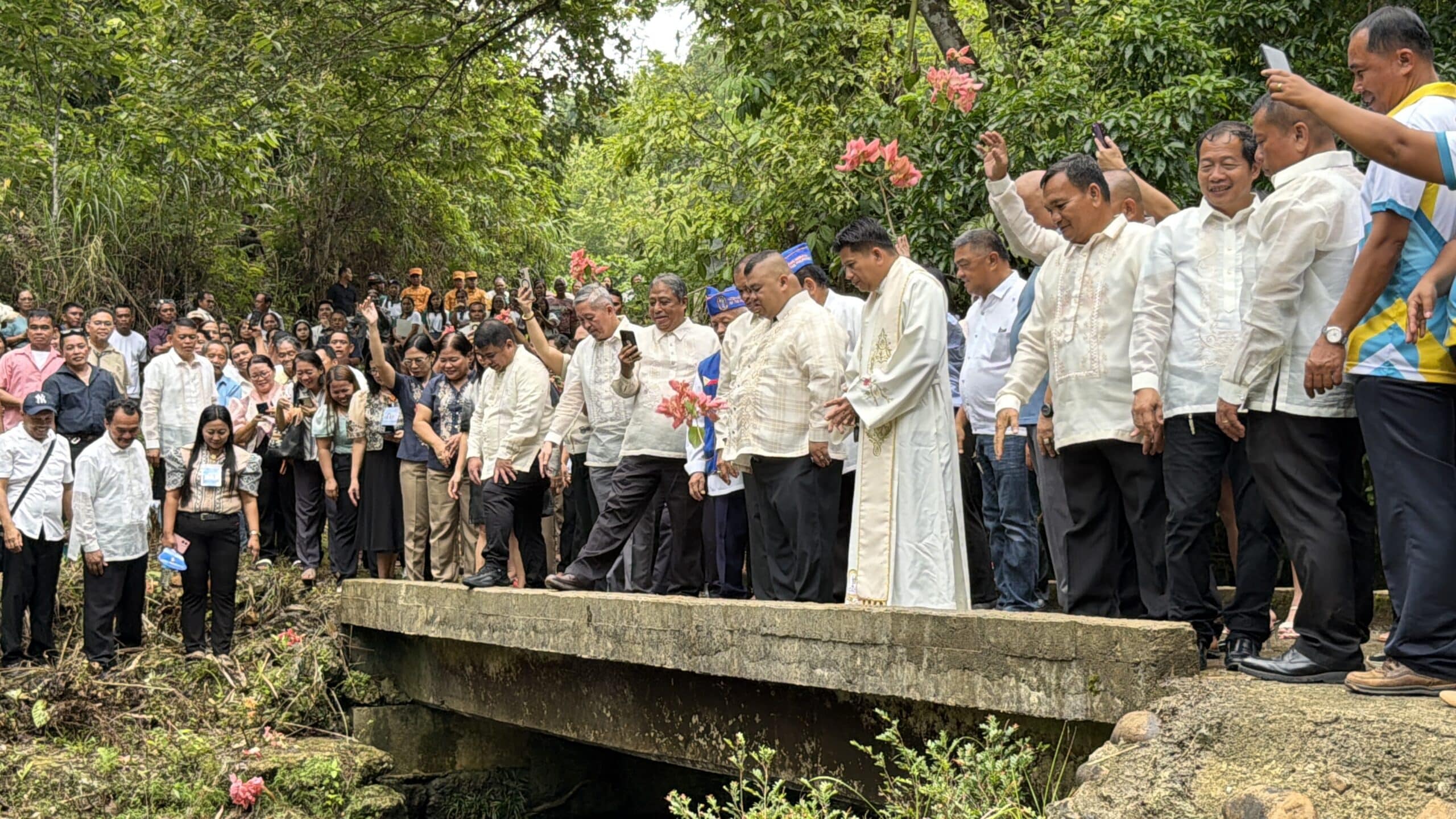
Flowers and prayers were offered Monday, June 29, to honor the guerrillas during the 1st commemoration of the establishment of the Bohol Area Command in Barangay Maitum, Catigbian, Bohol. Mayor Benjie Oliva said the municipal government plans to build a memorial shrine in tribute to the World War II heroes. —LEO UDTOHAN CATIGBIAN, BOHOL, Philippines — The municipality of Catigbian on Monday held the first-ever commemoration of the establishment of the Bohol Area Command, honoring the courage and sacrifices of the guerrilla fighters who resisted the Japanese occupation during World War II. The observance began at the Catigbian Municipal Hall grounds, where local officials led by Mayor Benjie Oliva, surviving World War II veterans and their spouses, government employees, and residents gathered for prayers. This was followed by a wreath-laying ceremony and a 21-gun salute in honor of the members of the Bohol Area Command. Participants later proceeded to the historic “Behind the Clouds” site in Barangay Maitum, where flowers and prayers were offered in honor of the members of the Bohol Area Command. The event commemorated the founding of the Bohol Force, later known as the Bohol Area Command, the principal United States Army Forces in the Far East (USAFFE) affiliated guerrilla organization that fought the Japanese Imperial Army in the province during World War II. READ: Bohol Chocolate Hills: Cone-shaped limestone hills The Bohol Area Command divided the island geographically into structural sub-commands to maintain a strong presence and combat Japanese occupation forces. Catigbian served as the primary cradle of the Bohol resistance. The rugged barangay of Maitum (formerly part of Balilihan) hosted the original core headquarters of the legendary “Behind the Clouds” unit. READ: DENR declares Bohol’s uplifted coastal areas ‘geological monument’ Among its pioneering leaders were Captain Ismael Ingeniero, Captain Francisco Salazar, and Major Jose Nunag, who organized and led the resistance movement in the mountainous areas of Bohol. The guerrilla force later became known as “Behind the Clouds,” a name inspired by its hidden mountain camps. Historical records recount that Salazar would taunt Japanese troops with the message: “If you care to find us, search us behind the clouds,” referring to the well-concealed camps that protected the resistance fighters from enemy forces. The site in Barangay Maitum, about 38 kilometers from Tagbilaran City, served as one of the movement’s key encampments. Nestled in a deep ravine, it became the birthplace of Bohol’s organized resistance against Japanese occupation. Three camps were established during the war—two in Catigbian and another in Batuan. After the guerrilla headquarters was transferred to Carmen, the Catigbian camp was converted into a detention area for captured Japanese soldiers. During the commemoration, Oliva announced the municipal government’s plan to transform the historic site into a permanent memorial honoring the province’s wartime heroes. “It symbolizes the unity of the Boholanos in their fight for freedom. It also stands as a tribute to the bravery and leadership of those who defended our province. It is only fitting that we remember and honor their courage, sacrifice, and love for our country,” said Oliva. The mayor said the local government has acquired a 50-hectare property where a memorial shrine will be built to preserve the history of the Bohol Area Command and serve as a place of remembrance for future generations. The proposed shrine is envisioned as a lasting symbol of the unity, patriotism, and sacrifices of the Bohol guerrillas whose resistance contributed to the liberation of the province. Oliva hopes the annual observance will inspire younger generations to remember the heroes of “Behind the Clouds” and keep alive the legacy of courage, sacrifice, and love of country that shaped Bohol’s history. /cb
多角的分析
今回の記念碑建設計画は、直接的な経済効果は限定的であると考えられる。しかし、歴史的遺産としての価値を高め、観光資源としての活用を目指すことで、将来的な地域経済の活性化に繋がる可能性がある。特に、第二次世界大戦の歴史に関心を持つ国内外の観光客誘致が期待される。
このニュース自体が直接的な投資機会を示すものではない。しかし、フィリピン国内における歴史的遺産保護や文化振興への関心の高まりは、関連する分野(観光、教育、不動産開発など)への間接的な投資意欲を刺激する可能性がある。長期的な視点では、地域文化の保存・活用が地域経済の安定に寄与し、投資環境を改善する要因となり得る。
ボホール州カティグビアン町における第二次世界大戦ゲリラ部隊の追悼式典と記念碑建設計画は、地域住民の歴史への関心と、先人への敬意を示す重要な社会活動である。特に、若い世代に歴史の教訓を伝え、愛国心を育むという町長の意向は、世代間の価値観の継承という点で注目される。また、地域社会の結束を強め、共同体意識を高める効果も期待される。
カティグビアン町やボホール州の市民にとって、この記念碑建設は、自分たちのルーツや地域が歩んできた歴史を再認識する機会となる。特に、第二次世界大戦という激動の時代を生き抜いた先人たちの勇気と犠牲に触れることで、現在の平和な生活への感謝の念が深まるだろう。また、歴史遺産として地域が活性化することへの期待も大きいと考えられる。
背景・歴史的文脈
第二次世界大戦中、フィリピンは日本軍に占領された。これに対し、各地で米軍正規軍の残党や民間人によるゲリラ組織が結成され、日本軍に対抗した。ボホール島では、ボホール・フォース(後のボホール地域コマンド)がその代表格であり、特にカティグビアン周辺の山岳地帯を拠点に、日本軍の補給路遮断や情報収集活動を行い、終戦まで抵抗を続けた。これらのゲリラ部隊の活動は、フィリピンの独立と解放に貢献したと評価されており、その功績を称える動きは、国民的英雄の記憶を保持し、愛国心を育む上で重要視されている。
原文ソース
Inquirer NewsInfo