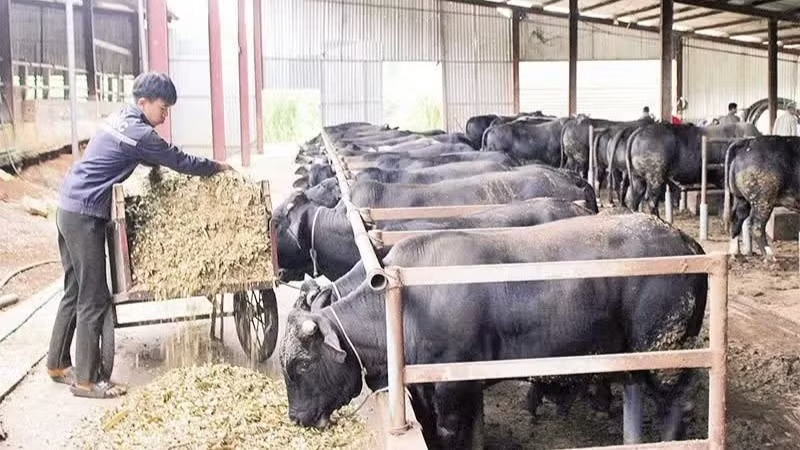
Vietnam Advances Rural Development in Difficult Areas, Boosting Income and Living Standards
Vietnam is prioritizing the advancement of New Rural Development (Nông thôn mới) in challenging areas. By implementing models tailored to local conditions, such as commercial livestock farming and 'fish after rice' initiatives, the country is enhancing residents' incomes and improving their quality of life, transforming rural landscapes.
This article requires PRO
This article is outside the free access window or is a special report. PRO unlocks it and the full archive.
Related articles
- Ninh Binh Province Drives Digital Transformation for Efficient Governance and Modern Society
Ninh Binh Province in Vietnam is advancing digital transformation to enhance efficiency in governance, economy, and society. The province has achieved positive results across the three pillars: digital government, digital economy, and digital society, promoting citizen-centric digitalization. However, challenges such as a shortage of skilled personnel and system integration persist.
- Ho Chi Minh City Infrastructure Project Accident Disrupts Local Life
An accident occurred in Ho Chi Minh City when construction machinery for the Xuyên Tâm Canal development project fell onto Bùi Hữu Nghĩa Street. While no casualties were reported, the incident has impacted local residents' lives, highlighting the importance of safety measures in infrastructure development.
- Myanmar Flood Damage: Recovery Underway Amidst Lingering Concerns
Widespread damage has been reported across Myanmar following extensive flooding. While evacuation and recovery efforts are underway, infrastructure damage and food shortages remain significant challenges for affected communities.
- Nghe An Honors 130 Exemplary Farmers for Production and Business Excellence
Nghe An province, Vietnam, held a conference honoring 130 farmers for their outstanding achievements from 2020-2025. The recognition celebrates contributions to rural economic development and poverty reduction, promoting improved farmer productivity and community engagement.