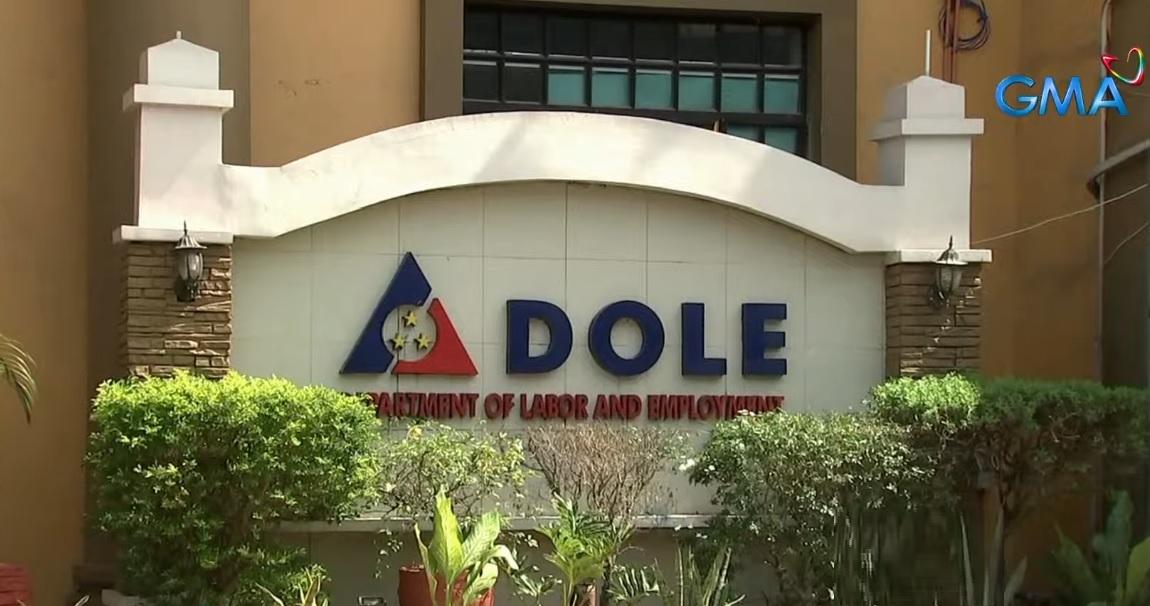
NCR Minimum Wage Hike: First Tranche Effective July 25
The minimum wage in the National Capital Region (NCR) of the Philippines will be gradually increased starting July 25, 2026. The first tranche will add P60, with an additional P25 in January 2027, benefiting approximately 1.1 million minimum wage earners.
This article requires PRO
This article is outside the free access window or is a special report. PRO unlocks it and the full archive.
Related articles
- Czech Envoy Visits Detained Journalist, Rights Worker in Philippines
The Czech Ambassador to the Philippines visited a detained community journalist and human rights worker at the Correctional Institution for Women. Both were convicted of terrorism financing charges, with international media freedom groups expressing concern.
- UST suspends 4 student activists over PAF exhibit incident
Human rights group Karapatan slammed the University of Santo Tomas (UST) for suspending four student activists for four years following a protest against a Philippine Air Force (PAF) exhibit. The group argues the suspension violates students' rights to free expression and peaceful assembly.
- Kanlaon Volcano Emits Sulfur Stench, Residents Advised to Take Precautions
A sulfurous stench from the Kanlaon Volcano in the Philippines has spread to surrounding areas, prompting recommendations for residents to wear masks and keep windows closed. While no eruptive activity has been confirmed, an increase in volcanic gas (sulfur dioxide) emissions is suspected.
- Worker Injured After Being Hit by Motorcycle While Crossing Pedestrian Lane in Rizal
A 27-year-old worker sustained severe injuries, including a broken hip and head trauma, after being hit by a motorcycle while crossing a pedestrian lane in Taytay, Rizal, Philippines. Police are pursuing charges of reckless imprudence resulting in serious physical injuries against the motorcycle driver.