General articles are free for 24 hours after publish.
US-led Pax Silica Initiative Expected to Boost Subic Port's Economy
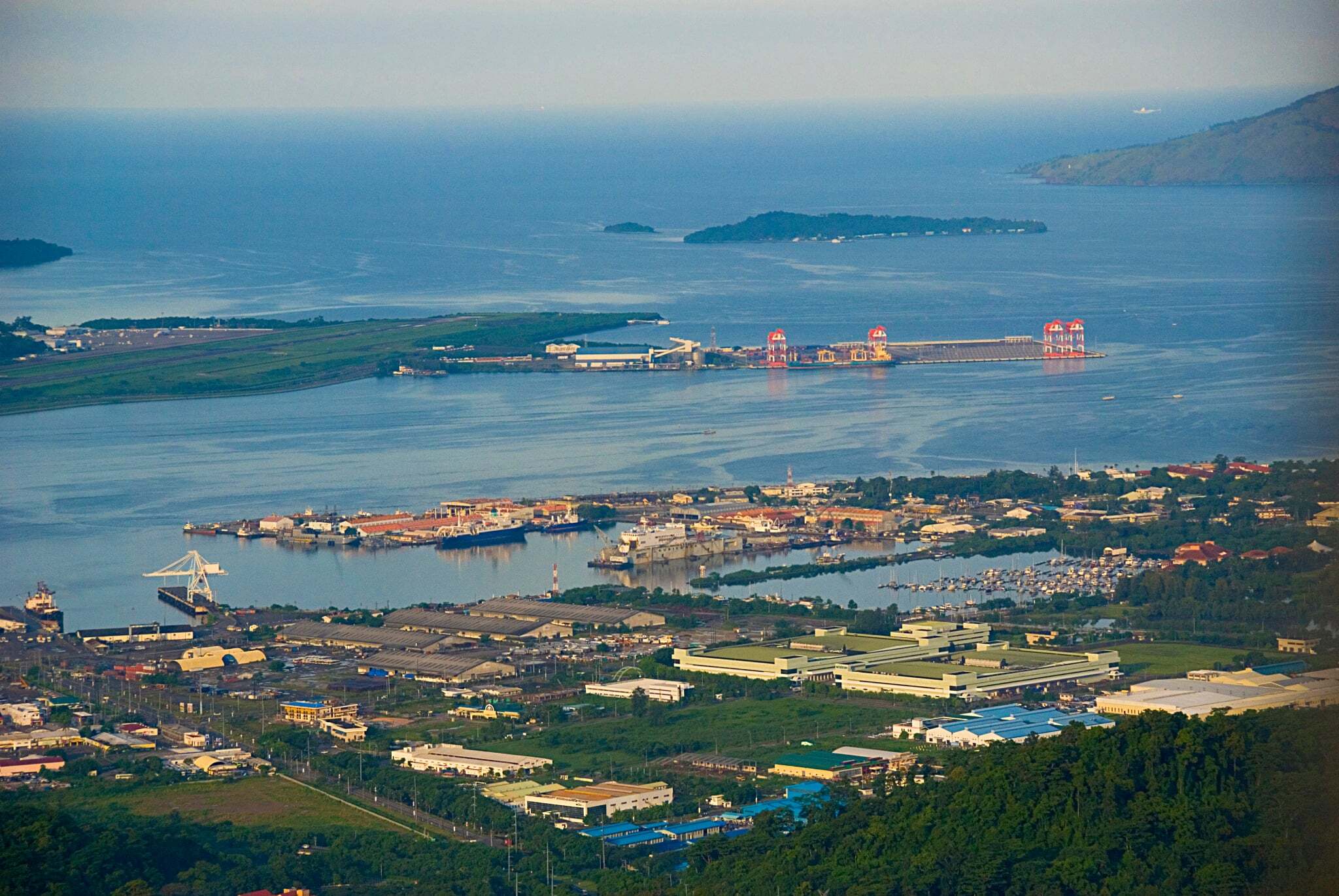
The Subic Bay Metropolitan Authority (SBMA) anticipates that the US-led Pax Silica initiative will generate new revenues and jobs for the Subic Bay Freeport through expanded port operations and investments. While specific projects are yet to be finalized, the initiative's role as the maritime gateway for AI and semiconductor supply chain resilience in the Philippines is a key expectation.
The Subic Bay Metropolitan Authority (SBMA) expects the United States-led Pax Silica initiative to generate new revenues and jobs for the Subic Bay Freeport through expanded port operations and investments. SBMA Administrator and CEO Eduardo Jose Aliño acknowledged that specific projects have yet to be finalized but stated that the emerging role of the Port of Subic as the maritime gateway for the Pax Silica initiative marks an important step toward attracting investments that could strengthen the free port's economy. According to Aliño, the designation is expected to open new revenue streams for the free port through increased use of port facilities, warehouses, and staging areas for the handling, storage, and movement of project supplies, equipment, and construction materials. Additional revenues are also anticipated from the lease of facilities operated by locators within or near the port complex that will support project operations. In 2025, the SBMA earned P1.77 billion in port revenues, a 4.2 percent increase from the previous year, signaling continued growth for the Subic Bay Freeport as a key logistics and trade hub in Southeast Asia. In the same year, its 4,744 business locators employed 171,653 workers, 30 percent of whom were women. Of these, services had the largest number of locators (4,129 firms), followed by construction (356), shipbuilding and marine-related services (148), and manufacturing (111). Pax Silica was launched by the United States in December 2025 as a multinational initiative designed to establish resilient supply chains for artificial intelligence (AI), semiconductors, and critical minerals among allied countries. The Port of Subic, located within the Subic Bay Freeport, a former US naval base, has been designated as the maritime gateway for the initiative in the Philippines. The SBMA and the Bases Conversion and Development Authority (BCDA) signed a memorandum of understanding on July 20, designating the Port of Subic as the preferred maritime gateway for Pax Silica operations within the Luzon Economic Corridor. This agreement authorizes the two agencies to identify and assess land and port areas that may support the project, while also evaluating infrastructure, utilities, logistics requirements, transport connectivity, and possible development phases. The agencies will also exchange nonconfidential information to support planning and operational coordination as the project advances. Aliño noted that the Port of Subic’s natural deep-water harbor and shipyard facilities place it in a strategic position to support one of the country’s largest planned technology investments. He stated that the port would facilitate the movement of critical raw materials, such as nickel and copper, into the country, while enabling processed technology products to reach international markets through the planned AI-native Economic Security Zone at New Clark City in Capas, Tarlac. "The port is what Clark does not have," Aliño said, referring to the importance of linking the country’s future technology hub to an international seaport capable of handling large volumes of cargo. BCDA President and CEO Joshua Bingcang previously stated that the partnership would strengthen the Luzon Economic Corridor by integrating ports, industrial zones, and emerging technology ecosystems while improving the country’s competitiveness in global supply chains. The Philippines formally joined the Pax Silica initiative in April after the BCDA identified a 1,619-hectare site at New Clark City. Government officials have said the zone is envisioned as an integrated industrial ecosystem that could host semiconductor manufacturing, AI infrastructure, research facilities, advanced logistics, and other high-value industries. On Thursday, Kilusang Magbubukid ng Pilipinas threw its support behind a House resolution seeking an inquiry into the country’s participation in Pax Silica, arguing that the proposed AI and advanced technology hub in Central Luzon raises questions on transparency, land use, and national sovereignty. House Resolution No. 1128, filed by legislators from the Makabayan bloc, seeks to examine the legal framework and government commitments related to Pax Silica.
Original source
Inquirer NewsInfo