Prabowo Criticizes 30 Years of Neoliberal Economy as Failing the People, Advocates Return to 'Family Economy'
Politics
2026年7月12日
4
VOI English

Prabowo Criticizes 30 Years of Neoliberal Economy as Failing the People, Advocates Return to 'Family Economy'

AI サマリー

President Prabowo Subianto has criticized the neoliberal economic system that dominated Indonesia for the past 30 years, stating it failed to bring prosperity to the majority of the people and contradicts the constitution. He advocated for a return to a 'family economy' where cooperatives and SMEs grow together.

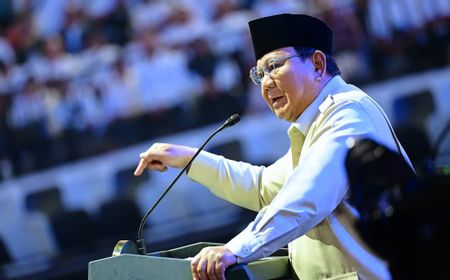
JAKARTA — President Prabowo Subianto has assessed that the neoliberal economic ideology that has dominated Indonesia for approximately 30 years has failed to bring prosperity to the majority of the people. The president stated that this economic direction also contradicts the spirit of the 1945 Constitution. Prabowo conveyed this criticism during the 79th National Cooperative Day Commemoration at Gelora Bung Karno, Senayan, Jakarta, on Sunday, July 12, 2026. "In the last 30 years, we have seen the Indonesian economy dominated by neoliberal economic thought, which actually contradicts the 1945 Constitution," said Prabowo. He said that Indonesia needs to return to the "family economy" and "people's economy" designed by the nation's founders. In this system, cooperatives, micro-enterprises, private businesses, state-owned enterprises (BUMN), and regional-owned enterprises (BUMD) must grow together. Prabowo acknowledged that the elite in the past were captivated by Western progress. Neoliberal capitalism was considered capable of bringing rapid prosperity. However, after three decades, its results are considered far from expectations. According to Prabowo, the theory that the wealth of the upper class will trickle down to the lower class has also not been proven. "Neoliberal thought says, let the rich be just 1 percent. If they are rich, eventually their wealth will trickle down," he said. Prabowo emphasized that strengthening cooperatives does not mean the government is hostile to large companies. Indonesia still needs all economic forces, including the private sector and state-owned enterprises. "We are not anti-big companies. We need cooperatives, MSMEs, private businesses, BUMN, and BUMD. We need all of them," he said. He referred to this approach as "Indonesia Incorporated," which means the joint effort of all economic elements to strengthen production and keep wealth circulating within the country.

多角的分析

経済的影響

プラボウォ大統領の新自由主義経済批判は、インドネシアにおける所得格差の拡大と、経済成長の恩恵が国民全体に行き渡っていないという長年の懸念を反映している。過去30年間の経済政策は、外国投資の誘致や市場の自由化を重視する傾向にあったが、その結果、一部の企業や富裕層に富が集中し、中小企業や地方経済が相対的に取り残されるという構造を生んだ可能性がある。大統領が提唱する「家族経済」や「国民経済」は、協同組合や中小零細企業(UMKM)の育成を通じて、より包摂的で国内循環型の経済を目指すものであり、これはインドネシアの伝統的な経済思想である「ゴトン・ロヨン(相互扶助)」の精神とも通じる。しかし、具体的な政策実行においては、大企業とのバランスや、グローバル経済との連携をどう図るかが課題となるだろう。

投資家心理

プラボウォ大統領の発言は、インドネシアの経済政策の方向性について、投資家にとって不確実性をもたらす可能性がある。新自由主義からの転換を示唆する発言は、市場の自由化や規制緩和を期待していた投資家にとっては懸念材料となりうる。一方で、「インドネシア・インコーポレーテッド」という言葉は、国内経済の強化と、国内資本の留保を重視する姿勢を示唆しており、国内市場への投資や、国内産業を支援する政策への期待感も生むかもしれない。協同組合やUMKMの育成は、新たなビジネスチャンスを生む可能性もあるが、その成長性と収益性については慎重な見極めが必要となる。投資家は、今後の具体的な政策発表とその実行状況を注視する必要がある。

社会的影響

プラボウォ大統領の発言は、インドネシア社会における経済的格差への強い不満の表れと言える。特に、都市部と地方部、富裕層と貧困層の間で広がる経済的断絶は、社会的な緊張を高める要因となっている。大統領が「滴り落ちる」理論の失敗を指摘したことは、多くの国民が実感している経済的恩恵の不均衡を代弁するものである。協同組合やUMKMの強化は、地方経済の活性化や雇用創ち、さらには地域社会の連帯感を高める可能性を秘めている。しかし、これらの取り組みが、社会の隅々にまで経済的恩恵を確実に届け、国民全体の生活水準向上に繋がるかは、政策の実行力と透明性にかかっている。ジャカルタの通勤ラッシュや地方の物価高騰といった、市民生活に直結する問題の解決に、この経済思想の転換がどう影響するかが注目される。

市民の声

プラボウォ大統領の発言は、多くのインドネシア国民、特に経済的恩恵を十分に受けていないと感じている層にとって、期待を抱かせるものである。過去30年間、経済成長は達成されたものの、その恩恵が一部に偏り、多くの国民が物価上昇や雇用の不安定さに苦しんできたという実感がある。大統領が「家族経済」や「国民経済」を提唱し、協同組合や中小零細企業(UMKM)の育成を強調したことは、より公平な富の分配と、国民一人ひとりの生活向上への希望を与えるだろう。しかし、ジャカルタのような大都市での生活費の高騰や、地方での雇用機会の不足といった現実的な課題が、この新しい経済思想によってどのように解決されるのか、具体的な政策の進展を注視していく必要がある。国民は、政府の約束が実行に移され、生活が実際に改善されることを期待している。

背景・歴史的文脈

インドネシアにおける新自由主義経済思想の導入は、1997-98年のアジア通貨危機以降、国際通貨基金(IMF)の支援プログラムと連動して加速した。IMFは、市場の自由化、民営化、財政規律の強化といった構造改革を求めた。これにより、外国投資が促進され、一部の産業や企業は急速な成長を遂げた。しかし、その一方で、国内の経済的格差は拡大し、富は一部のエリート層に集中する傾向が強まった。国民の多くは、経済成長の恩恵を実感できず、不満を募らせていた。プラボウォ大統領の今回の発言は、こうした長年の社会経済的課題に対する国民の不満を背景に、建国の父たちが提唱したより包摂的な経済モデルへの回帰を訴えるものと言える。

原文ソース

VOI English

原文を読む