General articles are free for 24 hours after publish.
Himalayan Glacier Collapse Sparks Divide Over Water and Trust, With Potential Ramifications for Thailand
A massive glacier collapse near the Nepal-China border has claimed over 1,127 lives, creating a deep rift in data sharing and trust between the two nations. This incident may also impact water resource management and disaster preparedness across the region, including Thailand.
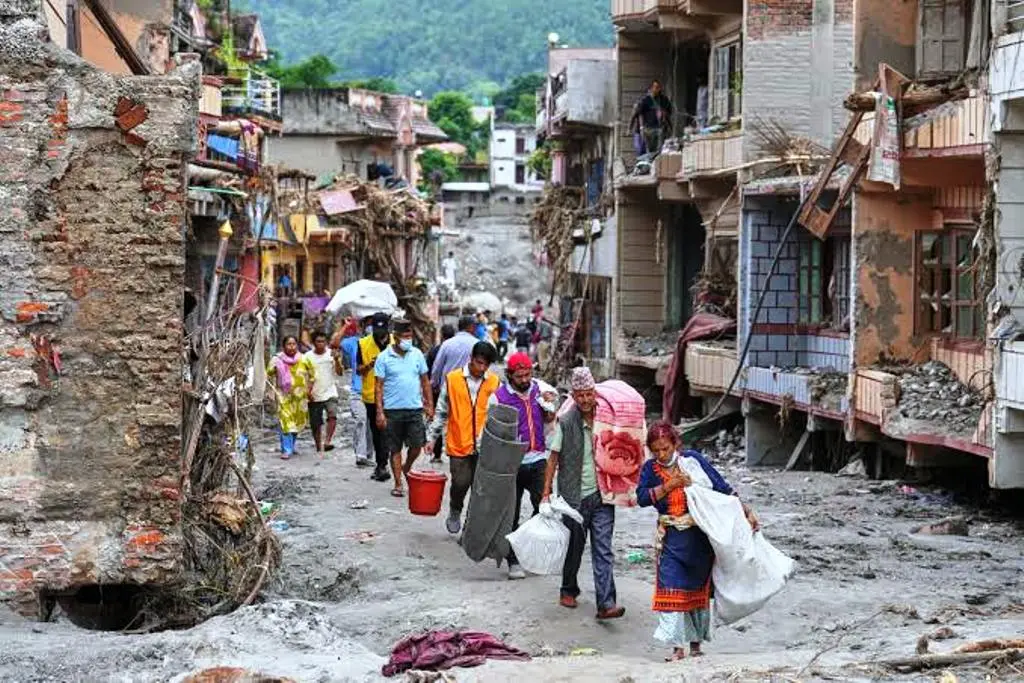
High in the rugged peaks of the Langtang mountain range, a devastating glacier collapse occurred on August 26, along the Nepal-China border. The disaster unleashed a torrent of water, mud, and debris, claiming over 1,127 lives in Nepal and leaving nearly 5,000 people missing across both sides of the frontier. The catastrophic flood destroyed 19 bridges and approximately 40 kilometers of major highways. While early speculation pointed to heavy monsoon rains, a report by the HiRISK scientific consortium suggests the glacier displayed signs of instability days prior to collapse. However, detecting these changes in a remote, high-altitude environment proved incredibly difficult, and the incident occurred in an unmonitored blind spot, rendering conventional early warning systems ineffective. Downstream monitoring stations ceased transmitting data just eight minutes after the disaster struck. The tragedy has exposed deep-seated issues surrounding data sharing and trust between Nepal and China. Just three months before the disaster, officials from both countries met to discuss enhanced data sharing for transboundary floods and glacial hazards. Nepali officials claim that critical, real-time information on glacial movements and water levels, which they desperately needed, was not adequately provided by China. Beijing, however, denies accusations of negligence or secrecy, citing limitations in its mandate for data sharing and monitoring capabilities. Concerns about transparency within China have been raised by Tibetan rights activists, with reports of digital censorship, including the removal of social media footage of the disaster, following the event. This alleged lack of transparency has deepened suspicions among neighboring countries and international environmental groups. The incident highlights the critical importance of information sharing and trust between upstream and downstream countries, with potential ramifications for water resource management across the region, including Thailand. The economic toll is also substantial, with estimates suggesting that rebuilding lost infrastructure could cost Nepal up to a tenth of its entire economy. Anger is mounting over the perceived unfairness of bearing the brunt of climate-driven disasters for nations with minimal greenhouse gas emissions. Source: Chiang Rai Times
Original source
Chiang Rai Times