A human rights crisis in Myanmar fuelled by China and Russia, warns Fortify Rights
Society
2026年8月2日
3
DVB
Relations
🇲🇲Myanmar🇨🇳China🇷🇺Russia

General articles are free for 24 hours after publish.

A human rights crisis in Myanmar fuelled by China and Russia, warns Fortify Rights

Share
AI Summary

Myanmar’s post-coup human rights crisis has reached its most severe level in modern history, driven by an escalating campaign of aerial warfare and sustained military and financial backing from foreign powers, according

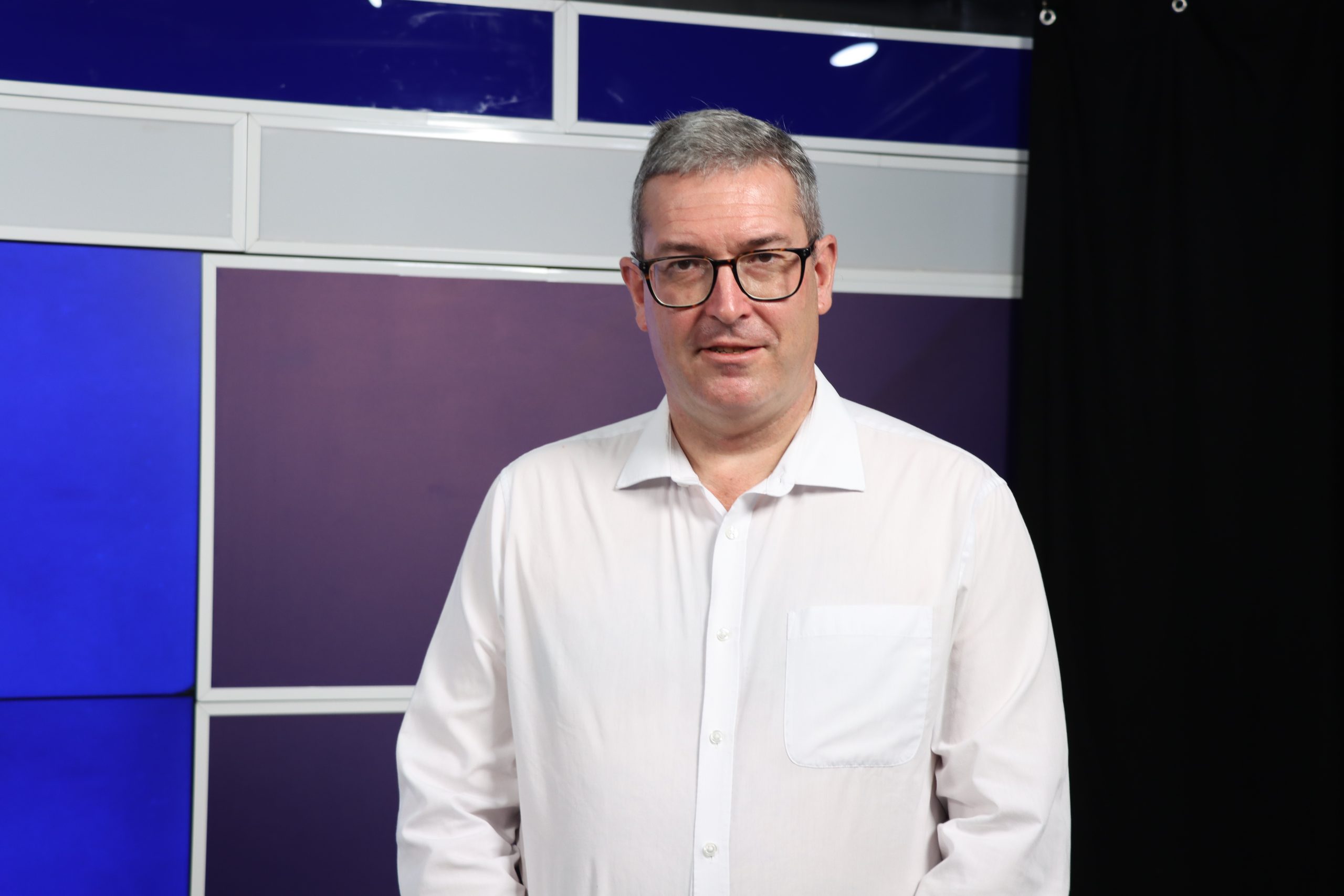
Myanmar’s post-coup human rights crisis has reached its most severe level in modern history, driven by an escalating campaign of aerial warfare and sustained military and financial backing from foreign powers, according to Benedict Rogers, Senior Director at human rights organization Fortify Rights. In an interview with DVB English News host Myat Thazin, Rogers warned that the international community’s distraction by other global conflicts has allowed the military regime in Naypyidaw to operate with relative impunity, threatening to turn Myanmar into a satellite state of China unless democratic nations step up. A deteriorating crisis powered by air supremacy Reflecting on more than two decades of human rights documentation in Myanmar, Rogers emphasized that the scale and nature of atrocities committed by the military since the 2021 coup far exceed those recorded under previous military regimes. Where past military offensives relied primarily on ground troops executing scorched-earth tactics and forced labor, the current regime has pivoted toward technological air warfare to target civilian populations and resistance strongholds. “When I first started working on Myanmar 25 years ago, the attacks in ethnic areas were ground attacks… But now the military is using airstrikes—not only from fighter jets, but also drones, paramotors, and gyrocopters. The human rights situation far outstrips what happened before.” said Rogers. He also pointed to the unprecedented surge in political detentions across the country. While political prisoners under the Than Shwe regime typically hovered between 2,000 and 3,000, detentions under the current military regime peaked at approximately 22,000 before settling around 14,000 following recent amnesties—a figure Rogers described as “really shocking.” Foreign lifelines and regional normalization risks A central obstacle to stopping military atrocities, Rogers argued, is the diplomatic and financial, support the regime in Naypyidaw receives from foreign allies, most notably Russia and China. While Beijing initially appeared hesitant immediately following the 2021 coup, it has since put “all its cards on the side of the regime,” supplying advanced weaponry, heavy economic investments, and international diplomatic shielding. Rogers also expressed concern over growing diplomatic engagement from the 10 other member states in the Association of Southeast Asian Nations (ASEAN), following recent meetings with regime Foreign Minister Tin Maung Swe in Bangkok on July 12. While acknowledging internal divisions within ASEAN—noting that countries like Malaysia, the Philippines, and Singapore maintain a firmer line—he warned that premature engagement risks legitimizing an illegitimate regime. Breaking the accountability deadlock: The UK Genocide Bill To counter the regime’s impunity, Fortify Rights is advocating for new international legal frameworks, including the Genocide Determination Bill recently introduced in the U.K. Parliament by Lord Alton. The bill addresses a long-standing loophole in British foreign policy, where the government routinely declines to label foreign atrocities as “genocide” on the grounds that it is a judicial matter, while U.K. courts simultaneously lack the statutory authority to make such a determination. If enacted, the bill would empower the High Courts of England, Wales, and Scotland to review evidence submitted by survivors or human rights organizations. A judicial finding of genocide would legally require the UK government to take concrete steps, such as referring regime leader Min Aung Hlaing to the International Criminal Court (ICC) under Article 14 of the Rome Statute, imposing targeted sanctions, and enforcing jet fuel embargoes. Universal justice and independent documentation Alongside the U.K. legislative push, Rogers highlighted ongoing international legal efforts, including the pending International Court of Justice (ICJ) verdict on the Rohingya genocide case—expected later this year—and Universal Jurisdiction cases advancing in Argentina, Timor-Leste, and Indonesia. Rogers underscored that Fortify Rights remains committed to documenting human rights violations independently, regardless of the perpetrator. This includes investigating and exposing abuses committed by opposition and ethnic armed groups, such as the Arakan Army (AA) and the Arakan Rohingya Salvation Army (ARSA). A call to cut the regime’s lifelines In his closing appeal, Rogers urged democratic governments to resist prioritizing short-term trade or diplomatic considerations over the prevention of genocide and mass atrocities. He called on international stakeholders to immediately cut the military’s operational lifelines through three key actions: “Trade should never be at the cost of genocide,” Rogers said. “The international community has a moral responsibility to act and support the people of Myanmar in establishing a genuine, lasting federal democracy.” Stay tuned to DVB English News on YouTube for our exclusive interview with Benedict Rogers.

0

Original source

DVB

原文を読む