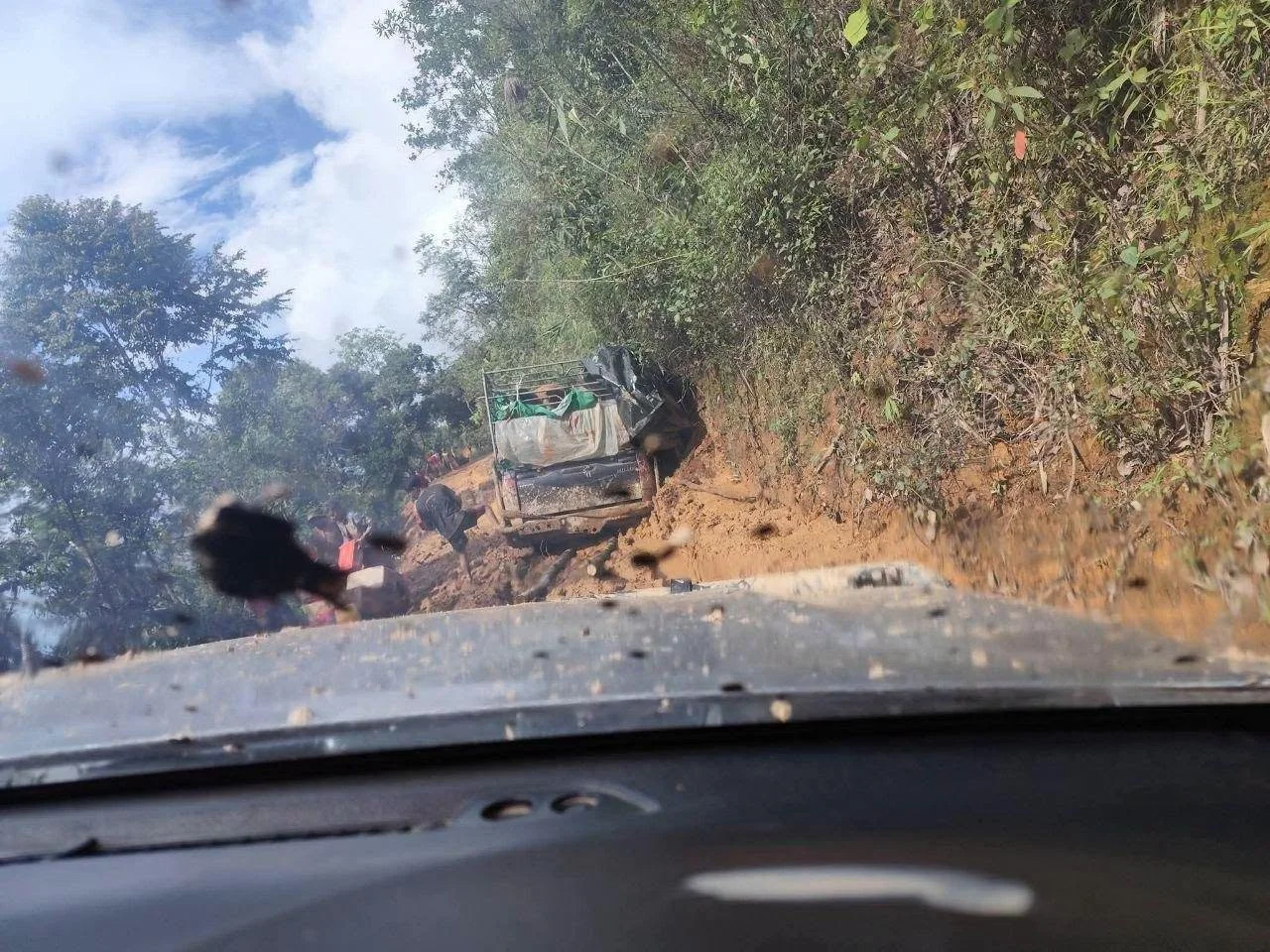
Food Prices Rise in Western Hpruso Due to Transportation Difficulties
Due to worsening road transportation during the rainy season, and disrupting the delivery of goods, food prices have risen in the western part of Hpruso Township, according to local residents. Since the second week of Ju
This article requires PRO
This article is outside the free access window or is a special report. PRO unlocks it and the full archive.
Related articles
- 3 drivers charged for speeding on YGN-MDY expressway
THREE passenger express bus drivers have been charged under the Expressway Law for speeding on the Yangon-Mandalay Expressway according to the Expressway Maintenance, Repair and Supervision Team. At about 5:10 pm on 4 Oc
- Yangon Port handles 518 container vessels in Jan-Sept
MYANMA Port Authority’s statistics showed arrivals of a total of 518 container vessels at Yangon Port in the past nine months (January-September) of 2026. Yangon Port handled arrivals of 61 container vessels in September
- Instability and Sabotage Stall Economic Growth
He pointed out that political instability and destructive acts undermine the State’s security measures and hinder the growth of production, services, and industries. The President stated that due to the destruction of ro
- Thaphan Seik Dam discharged in Sagaing Region, threatening 10,000 acres of farmland
At least 10,000 acres of farmland across Sagaing Region may soon be submerged after the regime administration discharged water from the Thaphan Seik Dam on Thursday, which they claim is to release excess water exceeding