Vietnam's Largest Iron Ore Project Terminated Due to Investor Delays
Ha Tinh province has terminated the Thach Khe iron ore mine project, once considered Southeast Asia's largest, due to prolonged delays by the investor. Granted investment approval in 2008, the project faced issues with capital mobilization and progress, leading to a government review and this final decision.
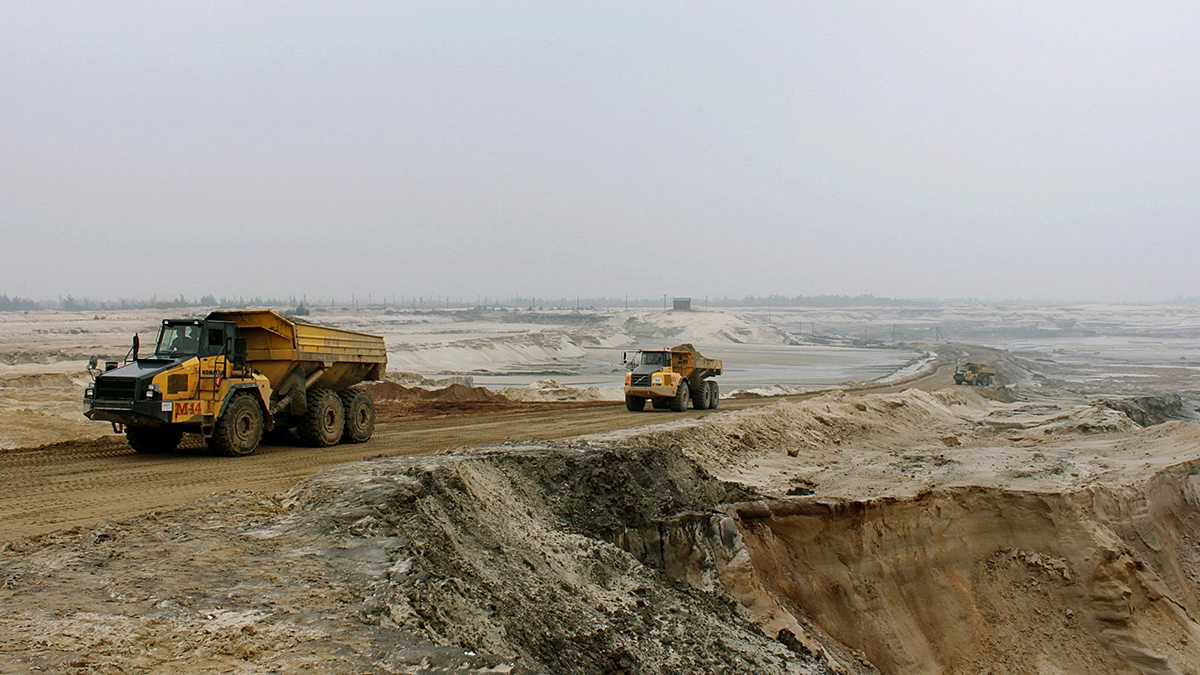
Ha Tinh province has decided to terminate the Thach Khe iron ore mine project, considered one of Vietnam's largest, after over 15 years of delays. On July 3, the provincial Department of Finance issued a decision to cease operations, citing the investor, Thach Khe Iron Joint Stock Company (TIC), for its prolonged failure to implement the project, in accordance with the Investment Law. The investment registration certificate has been revoked. The Thach Khe iron ore deposit, discovered in 1960, is estimated to hold about 544 million tons of ore, making it the largest iron ore deposit in Southeast Asia. The project was granted an investment license to TIC in 2008, with an initial total investment of nearly VND 14.5 trillion (approximately $600 million USD). From 2008 to 2011, approximately 12.7 million cubic meters of overburden were removed, reaching a depth of -34 meters below sea level, and about 3,000 tons of iron ore were recovered. However, the project subsequently encountered significant challenges related to capital mobilization and equity contributions. These issues led to a series of consequences, including delays in site clearance and insufficient funds to pay consultants for technical design and the construction of a resettlement area. In November 2021, the government ordered a halt to the project for a re-evaluation of the technical design and a restructuring of TIC's shareholders. Earlier this year, in May, the government reiterated its directive for the project to be definitively resolved within the current year. Amidst these developments, Hoa Phat Group, a leading steel producer, expressed its willingness in a May letter to the Prime Minister to co-fund an independent monitoring consultant for the study of the Thach Khe iron ore mine's exploitation. The group indicated its interest, along with other major corporations like Vingroup, Thaco, and Vietnam National Coal-Mineral Industries Group (TKV), in participating in the restructuring and potential acquisition of shares in TIC. Reports suggest that another enterprise has also submitted proposals to relevant agencies for involvement in the Thach Khe project. The termination of this project highlights the complexities of large-scale mining development in Vietnam and may influence future approaches to resource extraction. As Vietnam continues its economic growth, balancing resource development with environmental protection and ensuring investor capability remains a key challenge.
多角的分析
石渓鉄鉱山プロジェクトの停止は、ベトナムの資源開発における実行能力と計画の実現性に関する課題を浮き彫りにしています。当初の巨額な投資計画が頓挫したことは、国内のインフラ開発や産業基盤強化への影響が懸念されます。特に、鉄鉱石は鉄鋼業の基幹原料であり、国内での安定供給が図れなかった場合、輸入依存度を高め、国際的な価格変動リスクに晒される可能性があります。また、プロジェクトの遅延は、関連産業や地域経済への波及効果を限定的にし、機会損失を生じさせたと言えます。
投資家である石渓鉄鉱山株式会社(TIC)の資金調達能力とプロジェクト実行能力の欠如が、今回の事業停止の直接的な原因です。2008年の投資許可から15年以上経過してもプロジェクトが軌道に乗らなかった背景には、ベトナム特有の許認可プロセスや、市場環境の変化、あるいはTIC自身の経営基盤の脆弱性などが考えられます。ホアファット・グループのような大手企業が関心を示していることから、TICの経営体制や資本構成に問題があった可能性が高いです。投資家選定のプロセスや、プロジェクトの進捗管理における監督体制の強化が求められます。
石渓鉄鉱山プロジェクトは、ハティン省の沿岸地域5 xãに広がる広大な土地(4,821ヘクタール)を必要としていました。プロジェクトの遅延は、当初計画されていた地域住民の移転や、それに伴う生活再建の遅れ、あるいは開発による環境への影響に対する懸念を長期間にわたって地域社会に抱かせたと考えられます。事業停止により、地域住民は新たな開発の可能性を失った一方で、環境への負荷が軽減されるという側面もあります。しかし、地域経済の活性化や雇用創出への期待が裏切られた形となり、住民の不満や不安が残る可能性があります。
石渓鉄鉱山プロジェクトの長期にわたる遅延と最終的な事業停止は、地域住民の期待を裏切る結果となりました。本来であれば、このプロジェクトは地域経済の活性化や雇用創ちにつながるはずでしたが、実現しなかったことで、地元の人々は経済的な恩恵を受ける機会を失いました。また、広大な土地が長期間利用されずにいたことによる、土地利用の非効率性も指摘されるでしょう。事業停止により、環境への懸念が和らぐ可能性もありますが、地域開発の遅れという側面は否めません。
背景・歴史的文脈
石渓鉄鉱山プロジェクトは、1960年代に発見されたベトナム有数の鉄鉱床を開発する計画でした。2008年に石渓鉄鉱山株式会社(TIC)に投資許可が下り、当初は東南アジア最大級の鉄鉱山として期待されていました。しかし、TICは資金調達の困難や経営上の問題に直面し、プロジェクトは長期間にわたり進展しませんでした。過去には、用地買収の遅延や環境への影響に関する懸念も指摘されていました。2021年には政府がプロジェクトの一時停止を決定し、再評価と株主再編を指示しましたが、根本的な解決には至りませんでした。今回の事業停止は、ベトナムにおける大規模資源開発プロジェクトの実現における困難さを示す事例として注目されます。
原文ソース
VnExpress