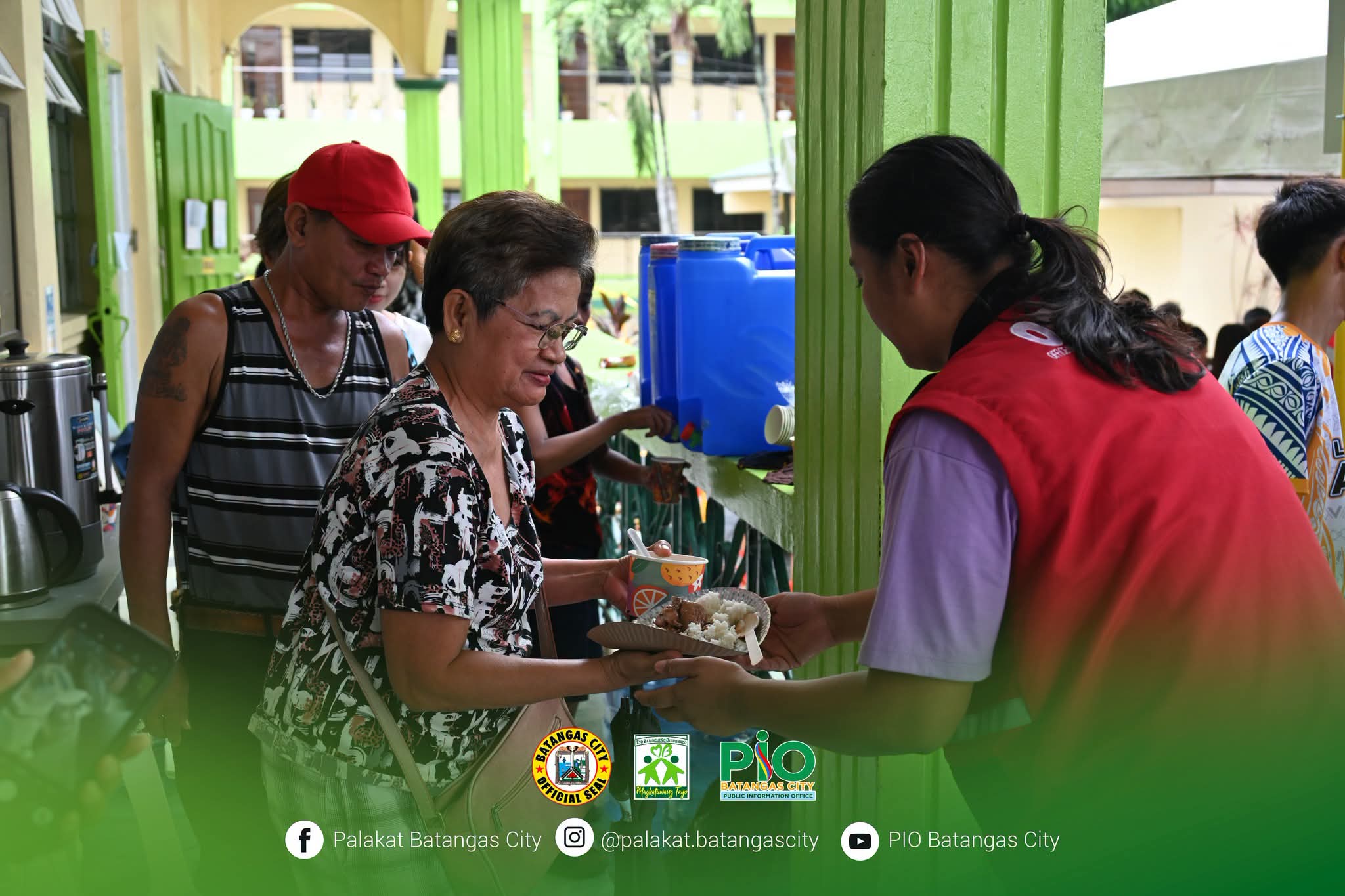
143 Families Evacuated in Batangas City Due to Habagat Rains
In Batangas City, Philippines, 143 families (505 individuals) were evacuated to safer grounds due to intensified rains from the enhanced southwest monsoon, locally known as habagat, affecting low-lying and flood-prone communities. City officials initiated a swift response.
This article requires PRO
This article is outside the free access window or is a special report. PRO unlocks it and the full archive.
Related articles
- Legarda Urges Stronger Protection for Environmental Defenders
Senator Loren Legarda has called for enhanced protection for environmental defenders in the Philippines, citing attacks and land/resource conflicts that endanger communities. In 2025, the country recorded 12 killings, the highest outside Latin America.
- Bohol Crop Losses Exceed P173M Amid Worsening Drought
Crop losses in Bohol province have surpassed P173 million due to a prolonged dry spell attributed to El Niño, affecting over 6,600 farmers. The provincial government is preparing relief measures.
- MMDA to Build 3 Rainwater Facilities in Manila to Combat Flooding
The Metropolitan Manila Development Authority (MMDA) will construct three rainwater impounding facilities (RIFs) in Manila as part of efforts to mitigate flooding in the capital. An agreement was signed between the MMDA and the City of Manila to implement nature-based solutions.
- Heavy Rains Forecast for Luzon, Including Metro Manila, Due to Localized Thunderstorms
The Philippine weather bureau forecasts heavy to intense rains in parts of Metro Manila and Luzon on Tuesday afternoon due to localized thunderstorms. Residents in affected areas are advised to be vigilant against potential flooding and landslides.