General articles are free for 24 hours after publish.
Benguet Dam Displaced Communities Now Face Flood Threat Amid Siltation
Indigenous communities in Benguet, Philippines, displaced decades ago for dam construction, now face severe flood risks due to river siltation. Local authorities are urging government intervention to address the escalating threat.
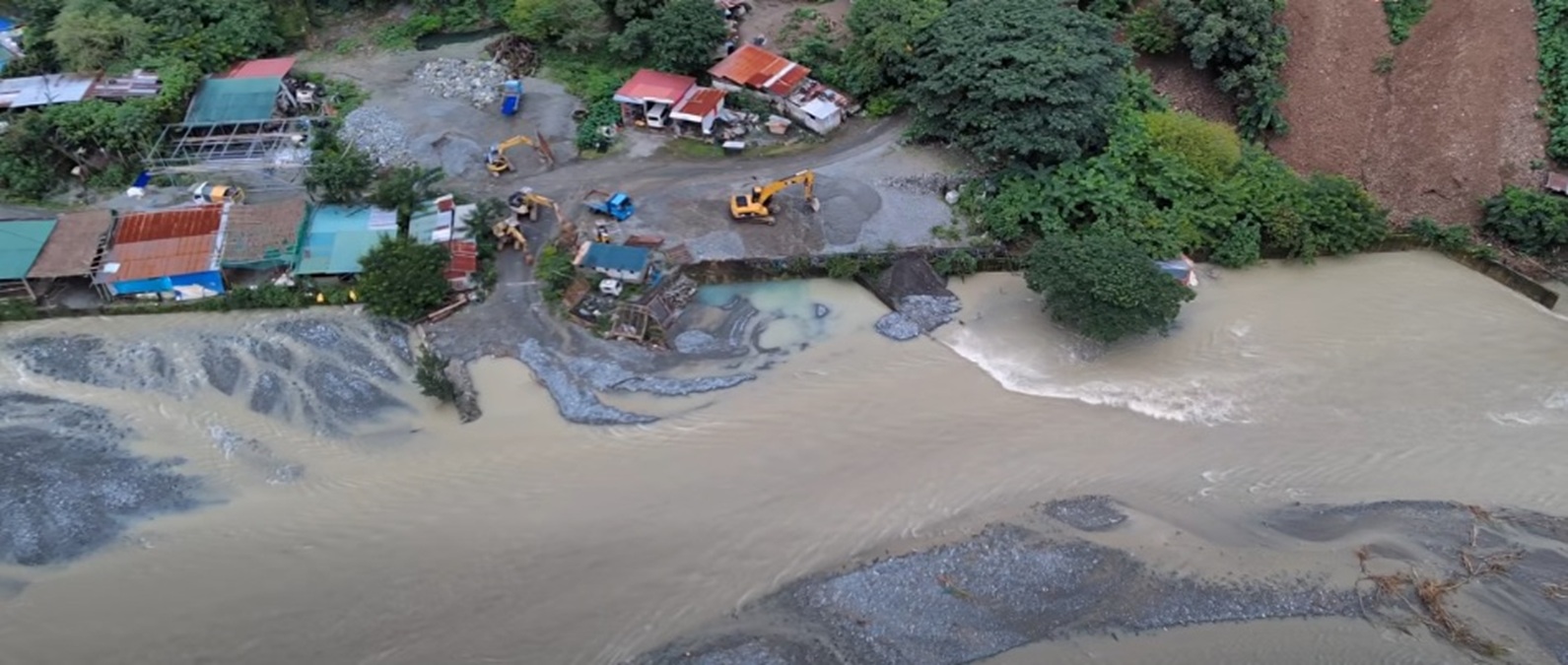
BAGUIO CITY — Indigenous communities along the Upper Agno River are seeking government intervention as worsening siltation reduces the river’s capacity to safely carry floodwaters decades after their ancestral lands were surrendered for the construction of the Ambuklao and Binga dams. Prolonged monsoon rains swelled the river on Aug. 11, damaging portions of flood-control structures in Ekip and Karao villages and leaving homes and businesses vulnerable to flooding and erosion, Bokod Mayor Erik Donn Ignacio said in a recent interview. Ignacio said siltation had been a longstanding problem but worsened after a 2018 typhoon and southwest monsoon triggered erosion along tributaries feeding the river. Sediment has since continued to accumulate, affecting the river’s capacity to carry water safely. A multiagency task force formed in 2019 to study the problem considered dredging but eventually abandoned the proposal over technical and environmental concerns involving the watershed and Ambuklao Dam. READ: Dizon: New small dams to protect Benguet strawberry farms from floods Ignacio said the municipality now wants to revive the task force to reassess the river and identify a long-term solution. For immediate protection, Bokod allocated P2.3 million for gabions at damaged flood-control structures and another P1 million for temporary gabion walls in Gurel and Bangao. Barangay Ambuklao is providing counterpart funds for labor. Ambuklao Barangay Captain Reynaldo Tello has separately asked President Marcos and Public Works Secretary Vince Dizon for a technical assessment, possible desilting, rehabilitation of flood-control structures, national funding and a long-term river management plan. Tello also cited the community’s history of displacement. Before Ambuklao Dam began operating in 1956, Ibaloi families lived in Old Ambuklao and depended on their ancestral lands and the river for their homes and livelihoods. He said affected families were promised relocation and livelihood assistance, but many commitments were not fulfilled. Some displaced families eventually returned and resettled along the Upper Agno, where they rebuilt their homes and livelihoods and now face renewed flood risks. Tello said it was ironic that communities hosting the Ambuklao and Binga dams, which supply power to the Luzon Grid, continue to experience unreliable electricity service. Bokod’s main power line comes from Atok and is vulnerable during typhoons, when falling trees and damaged or toppled posts frequently cause outages, he said. /das Source: Inquirer NewsInfo
Original source
Inquirer NewsInfo