General articles are free for 24 hours after publish.
Chiang Rai Trains 60 Volunteers to Cut Farm Burning with Biochar Tech
Chiang Rai Province in Northern Thailand has launched an initiative deploying 60 volunteers to promote biochar technology, aiming to combat PM2.5 pollution from farm burning. This approach transforms crop waste into a valuable resource, promising reduced air pollution, improved soil, and new green business opportunities.
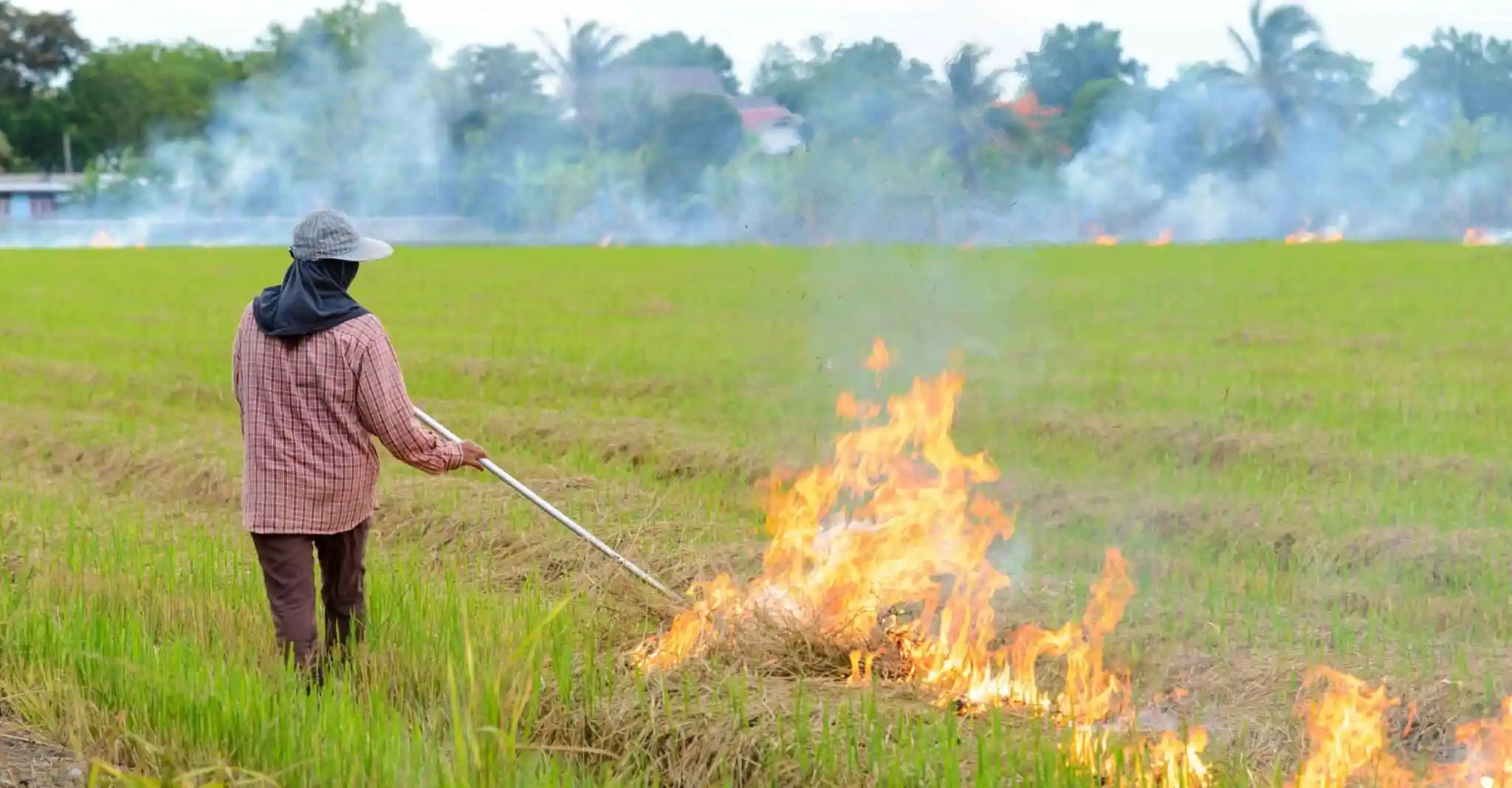
Chiang Rai has taken a bold step to clear its skies and improve public health. The province recently deployed 60 energy volunteers across 18 different districts to tackle farm burning. These dedicated locals are actively teaching rural communities how to use innovative biochar technology. This smart approach turns leftover crop waste into a valuable resource instead of harmful smoke. For years, open field burning after harvest has choked Northern Thailand with thick smog. Farmers often burn corn stalks and rice straw to clear land quickly and cheaply. However, this practice releases massive amounts of dangerous PM2.5 pollution into the air we breathe. By introducing biochar, officials hope to give farmers a cleaner, more profitable alternative to lighting matches. Breathing clean air is a basic human right, yet seasonal smog heavily impacts the region. The tiny PM2.5 particles easily enter the lungs, causing severe long-term respiratory health issues. Local tourism and the regional economy also suffer greatly when the skies turn hazy. Instead of setting fields on fire, farmers are learning a new method called pyrolysis. This process involves baking organic waste at high temperatures with very little oxygen. The result is biochar, a stable, charcoal-like substance that safely locks away carbon. Making biochar stops harmful smoke from entering the atmosphere and choking local villages. These 60 trained energy volunteers act as community coaches in their respective home districts. They provide hands-on training to show neighbors exactly how to build and use simple biochar kilns. These kilns can process everyday agricultural leftovers like corn cobs, stalks, roots, and husks. By sharing this practical knowledge locally, the volunteers make the transition away from burning much easier. The benefits of biochar extend far beyond just cleaning up the air we breathe. When mixed into the earth, biochar acts like a sponge to hold vital water and nutrients. This improves soil health dramatically, meaning farmers can spend less money on expensive chemical fertilizers. It is a practical solution that saves money while protecting the local environment at the same time. Local companies are also getting involved to support this important green agricultural shift. Recent private projects in areas like the Wiang Pa Pao district have started processing local crop by-products. This industrial scale effort turns massive amounts of agricultural waste into verifiable carbon storage. Such partnerships show that reducing pollution can actually create exciting new green business opportunities. Furthermore, using biochar helps fight global climate change by storing carbon safely in the ground. Plants naturally pull carbon dioxide from the air as they grow in the fields. Normally, rotting or burning these plants releases that carbon right back into the sky. Biochar traps this carbon safely in the soil for hundreds of years, making agriculture much greener. Looking ahead, this successful model could easily spread to neighboring provinces facing similar pollution issues. If more communities embrace biochar, Northern Thailand could finally breathe easy during the dry season. The dedication of these 60 volunteers is sparking a much-needed agricultural revolution across the region. By turning a toxic problem into a helpful resource, Chiang Rai is leading the way forward.
Original source
Chiang Rai Times