General articles are free for 24 hours after publish.
Betel Leaves: An Integral Part of Traditional Ceremonies Across Indonesia
Across Indonesia, from Aceh to Gorontalo, betel leaves (sirih) are more than just a chewing substance; they are an integral part of traditional ceremonies and social bonding, signifying hospitality and respect.
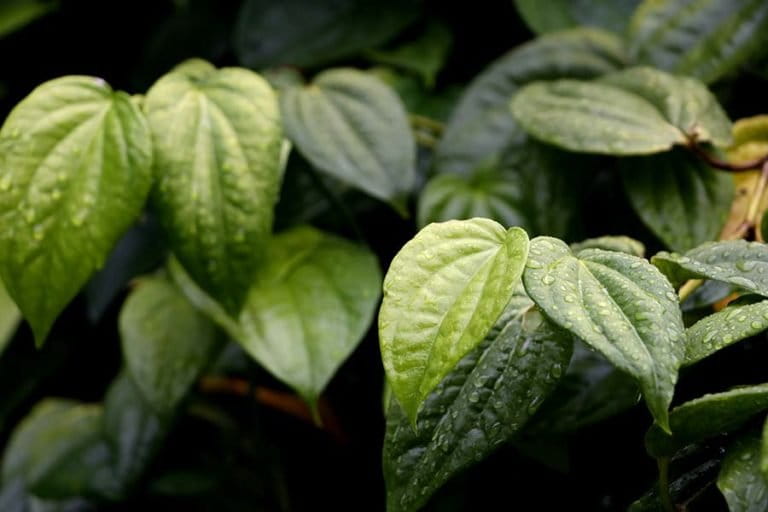
Across Indonesia, betel leaves (sirih) have long held a special place in the fabric of community life. They are not merely an ingredient chewed with areca nut, lime, gambier, or tobacco, but an intrinsic part of the customs for welcoming guests, building social relationships, and conducting traditional ceremonies. In Aceh, betel leaves are presented during guest welcoming ceremonies. A similar custom is found in the Malay culture of Riau, Bangka Belitung, Jambi, and South Sumatra, where the offering of sirih signifies hospitality, acceptance, and respect for visitors. Historically, the tradition of chewing sirih transcended age and social status, enjoyed by young and old, commoners and royalty alike. Its importance is reflected in the elaborate containers used for storing betel leaves, some adorned with gold and precious stones, and even shaped like mythological creatures such as dragons or winged fish. In Gorontalo, betel leaves play a crucial role in engagement ceremonies. Research on the 'modutu' ritual refers to sirih as 'lindhidu aadati,' or 'the vein of tradition,' indicating that betel leaves are not just decorative but a vital component supporting the execution of adat (customary law). Betel leaves and areca nuts are placed in special containers called 'tonggu' and offered to guests, signifying the family's readiness to proceed with the rituals according to inherited rules and values. Beyond its cultural significance, the betel leaf (Piper betle) is also recognized as a medicinal plant. Its leaves, in particular, contain phenolic derivatives and a wealth of bioactive compounds and antioxidants, including flavonoids, alkaloids, saponins, polyphenols, and tannins. Research has also indicated potential antibacterial and antioxidant activities of the plant. This article was originally published on Mongabay
Original source
Mongabay Indonesia