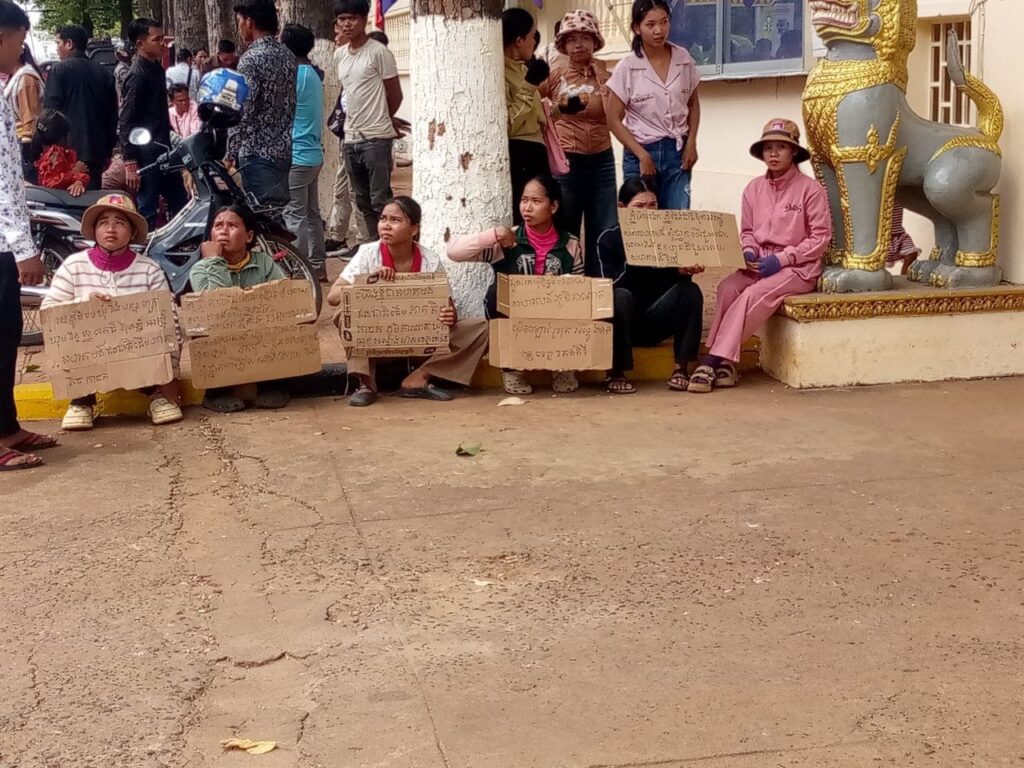
Ratanakiri Indigenous Community Urges Authorities to Expedite Forest Land Dispute Resolution
Approximately 300 indigenous families in Ratanakiri province are urging provincial and national authorities to expedite the resolution of a land dispute, alleging that private companies have encroached upon their communal forest land. The community fears the loss of forests vital to their traditional livelihoods and cultural identity.
Approximately 300 indigenous families in Kanat village, Ta Laov commune, Andong Meas district, Ratanakiri province, have signed a petition urging provincial and national authorities to expedite the resolution of a land dispute concerning communal forest land. The community alleges that private companies have encroached upon this land, impacting their traditional way of life. Sok Cheang, a representative of the indigenous community, stated that the land dispute has been ongoing for an extended period, with resolutions through local authorities proving unsuccessful. He noted that the community has organized two protests following claims of encroachment on land they traditionally use and depend on for sustenance. According to the community representative, the forest, referred to as 'Arak forest,' is vital for the indigenous people's livelihoods and culture, serving as a source for collecting forest products, hunting, and conducting traditional rituals. They express deep concern that the loss of this forest would profoundly affect their way of life and cultural identity. The community representatives also reported instances of threats and tension between the parties during the dispute and appealed to relevant authorities for a swift resolution to prevent further escalation and protect the rights of the indigenous people. Separately, Pum Tua, an indigenous individual, affirmed that the community has sought intervention from authorities and the courts since 2024, but no concrete solution has been reached to date. It is recalled that on December 5, 2012, the Ministry of Interior issued a letter approving the registration of the Kachak indigenous community in Kanat village, Ratanakiri province, stipulating that the community must adhere to its statutes and operate as a neutral, non-political association. Kampuchea Thmey attempted to contact Meas Sareth, the district governor of Andong Meas, and Nhem Sam Oeun, the governor of Ratanakiri province, for clarification on this matter, but had not received a response by the time of publication. Source: Kampuchea Thmey Local
多角的分析
カンボジアにおける土地紛争は、経済発展と先住民の権利保護との間でしばしば緊張関係を生じさせる。私企業による土地の取得・開発は、経済成長の原動力となり得る一方で、伝統的な土地利用や資源へのアクセスを奪われた先住民コミュニティの経済基盤を脆弱化させる可能性がある。特に、森林資源への依存度が高いコミュニティでは、その影響は深刻である。過去にも、開発プロジェクトにおける先住民の立ち退きや土地収奪が問題視されており、経済政策の実施にあたっては、社会経済的な影響評価と、影響を受けるコミュニティへの十分な補償・配慮が不可欠である。
ラタナキリ州のような地域での土地紛争は、投資家にとってリスク要因となり得る。特に、天然資源開発や農業関連の投資を検討している場合、地域コミュニティとの土地所有権や利用権に関する紛争は、プロジェクトの遅延や中止、さらには訴訟リスクにつながる可能性がある。投資家は、事業展開地の土地法や慣習法、そして地域コミュニティとの関係性を十分に理解し、紛争予防策や紛争解決メカニズムを確立することが求められる。過去には、大規模開発プロジェクトが地域住民との間で土地を巡る対立を引き起こし、国際的な批判を招いた事例もある。
ラタナキリ州の先住民コミュニティが直面する土地紛争は、彼らの生活様式、文化、そしてアイデンティティの維持という、より広範な社会的問題を浮き彫りにしている。カ ナート村の先住民は、共有森林地を単なる経済的資源としてだけでなく、精神的・文化的な聖地としても位置づけている。私企業による土地の占有は、彼らの伝統的な儀式や共同体の結束を脅かす可能性がある。また、紛争の長期化や当局の対応の遅れは、コミュニティ内に不信感と不安を生じさせ、社会的な緊張を高める要因となる。過去には、土地を失った先住民が都市部への移住を余儀なくされ、伝統文化の維持が困難になった事例も報告されている。
カンボジアの市民、特にラタナキリ州のような地方に住む先住民コミュニティにとって、土地は生活そのものである。共有森林地は、食料、住居、そして文化的な慣習の源であり、その喪失は生活基盤の崩壊を意味する。今回のケースでは、約300世帯が影響を受けており、彼らは土地の占有だけでなく、脅迫や緊張にも直面している。当局の対応の遅れは、市民の権利が守られないという無力感と不満を増大させる。政府は、開発と人権保護のバランスを取り、市民の声に真摯に耳を傾け、公正かつ迅速な紛争解決メカニズムを確立する必要がある。
背景・歴史的文脈
カンボジアにおける先住民の土地権を巡る問題は、長年にわたり存在している。特に、経済発展の加速に伴い、森林や鉱物資源が豊富な地域での土地収奪や開発プロジェクトによる先住民コミュニティへの影響が顕著になっている。1993年の憲法改正以降、先住民の権利保護に関する法整備が進められてきたが、その実施においては課題も多い。2001年には「共同体土地制度」が導入され、先住民コミュニティが伝統的な土地利用権を法的に認められる道が開かれた。しかし、この制度の適用には複雑な手続きや当局との連携が必要であり、しばしば私企業による土地の占有や開発との間で競合が発生している。ラタナキリ州は、多くの先住民コミュニティが居住し、天然資源も豊かな地域であり、土地紛争が頻発する場所の一つとなっている。今回のカ ナート村の事例は、こうした構造的な問題を反映している。
原文ソース
Kampuchea Thmey Local