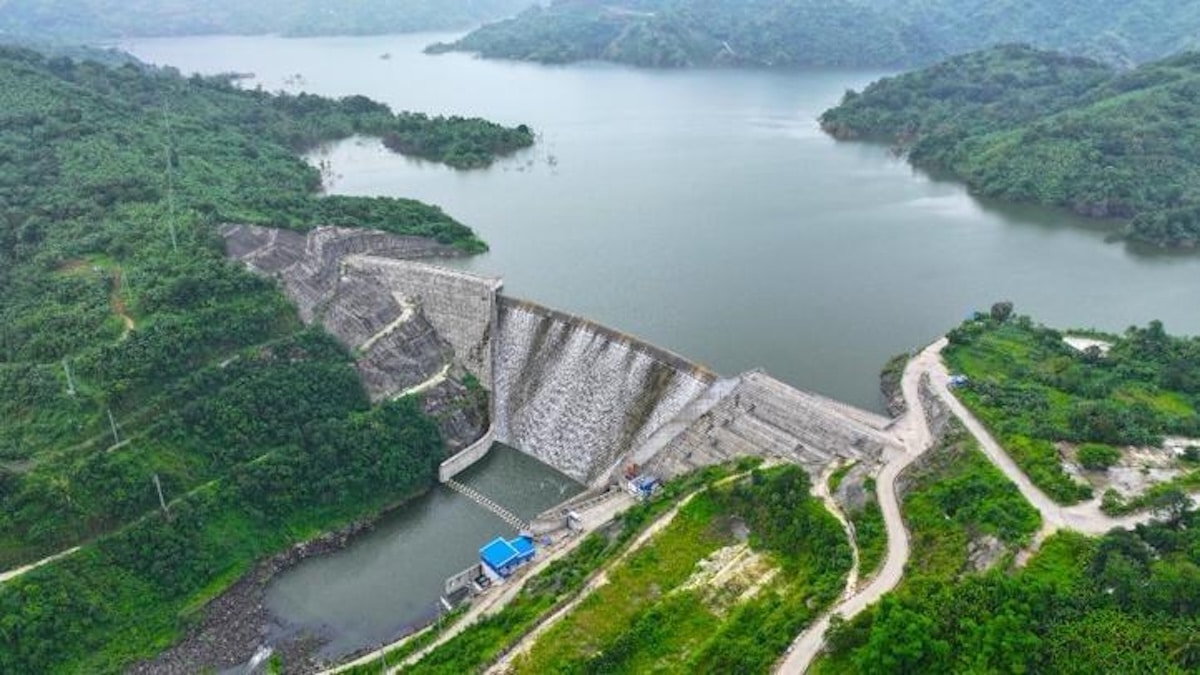
Manila Water Bolsters Supply Amid El Niño Fears
Infrastructure
2026年7月9日
5
Inquirer NewsInfo

Manila Water Bolsters Supply Amid El Niño Fears

AI サマリー

As the Philippines braces for El Niño in 2026, Manila Water has significantly strengthened its supply capabilities, learning from past vulnerabilities. The company has shifted from single-source dependency to diversified water sources and infrastructure investments, aiming for reliable 24/7 service.

MANILA, Philippines — As the country faces another El Niño episode in 2026, East Zone concessionaire Manila Water underscores its significantly strengthened capability to deliver reliable 24/7 water service across its customers, highlighting the meaningful progress made since previous periods of water stress in 2010, 2015, and 2019. El Niño has historically brought below-normal rainfall and prolonged dry conditions across the Philippines, placing immense pressure on Metro Manila’s water supply system, which for decades depended almost entirely on the Angat Dam for more than 90 percent of its needs. During the 2010 El Niño, Angat Dam water levels dropped to critical lows, even reaching around 157.56 meters, one of the lowest levels on record. This forced significant supply reductions across Metro Manila, with water allocations cut by as much as 30 percent, affecting millions of residents and leading to widespread service interruptions and reliance on water tankers. READ: Manila Water: East Zone gets served amid El Niño, low Angat level At the time, Manila Water’s production stood at 1,325 million liters per day (MLD), with limited flexibility to offset supply shortages during extended dry periods due to reliance on a single water source. By 2015, while infrastructure had improved, the system remained largely dependent on Angat Dam. During the strong 2015–2016 El Niño, authorities proactively reduced water allocations to Metro Manila and implemented contingency measures to stretch available supply. The period was characterized by tight supply-demand balancing, heavy reliance on operational adjustments, and continued absence of major alternative raw water sources. Manila Water’s production at the time stood at 1,479 MLD. The 2019 water crisis marked a turning point. Triggered by El Niño conditions and compounded by critically low levels at the Angat Dam and La Mesa Reservoir, the system’s emergency reservoir, Metro Manila experienced one of its most severe water shortages in recent history. Despite Manila Water’s production of 1,465 MLD, the absence of sufficient alternative sources and supply augmentation facilities constrained the system’s ability to maintain continuous 24/7 service. This crisis highlighted the urgent need for long-term investments in water security and diversification. With PAGASA declaring the onset of El Niño last month and forecasting it to escalate into a Super El Niño by late 2026 and potentially extending into early 2027, Manila Water today stands in a fundamentally stronger and more resilient position, significantly enhancing its capacity to meet demand and maintain reliable service even under prolonged drought conditions. The most critical difference is the shift from single-source dependency to a diversified water supply portfolio. Unlike in previous El Niño events, when there were effectively no alternatives to Angat Dam, Manila Water now serves its customers through a diversified supply system, with total water production reaching 1,730 MLD. These include Angat Dam and new water sources from the central and eastern sections of Laguna Lake, which supply raw water to two Manila Water treatment facilities: the Cardona Water Treatment Plant, with a capacity of up to 110 MLD, and the 50-MLD East Bay Water Treatment Plant Phase 1. In addition, the Tayabasan Weir supplies raw water to the 80-MLD Calawis Treatment Plant. Among the new water sources developed, the most notable is the Upper Wawa Dam, which currently serves as a dedicated buffer supply for the East Zone concession and has the capacity to deliver up to 710 MLD. During the recent summer months, the Upper Wawa Dam has augmented supply to the Calawis WTP when the Tayabasan Weir falls below its normal operating level. In a few months, Manila Water is also set to commission two new water treatment facilities: the 220-MLD Kaysakat WTP in Antipolo City, which will source water from the Upper Wawa Dam, and the 200-MLD East Bay WTP Phase 2, which will also source water from the eastern flank of Laguna Lake. Manila Water emphasizes that its current resilience is the result of sustained investments in water security, infrastructure, and operational readiness over many years. These efforts were driven by lessons learned from past El Niño events, when Metro Manila had no choice but to rely almost entirely on Angat Dam. “With the integration of the Upper Wawa Dam and the expansion of our distribution capacity, we are now better equipped to protect our customers from severe supply disruptions even during El Niño. From a system with no alternative sources in the past, we have built a more secure and resilient water supply network designed for today’s challenges,” said Arnold Jether Mortera, Manila Water Chief Operating Officer for East Zone. READ: Manila Water accelerates Batasan-Balara wastewater project With its diversified and strengthened portfolio of water sources and expanded operational capacity, Manila Water has substantially strengthened its ability to secure reliable water supply. This positions the company to uphold its promise of uninterrupted 24/7 water service and ensure water security for its customers, even during extended periods of extreme drought.

多角的分析

経済的影響

エルニーニョ現象による水不足は、農業生産性の低下、水力発電量の減少、そして工業用水の供給制約を通じて、フィリピン経済に広範な影響を与える可能性がある。マニラ水道が供給体制を強化したことは、首都圏の経済活動の安定化に寄与するが、全国的な水不足への対応は、インフラ投資の継続と、水資源管理の効率化が不可欠である。特に、農業分野への影響は食料価格の上昇を招き、インフレ圧力を高める要因となりうる。

投資家心理

マニラ水道のエルニーニョ対策強化は、同社の事業継続性と収益安定性に対する投資家の信頼を高める要因となる。過去の危機で露呈した脆弱性を克服し、多様な水源開発とインフラ投資を実行している点は評価されるべきである。しかし、気候変動による不確実性は依然としてリスクとして存在するため、今後の降水量予測や、他のインフラ関連企業への波及効果も注視する必要がある。

社会的影響

過去のエルニーニョによる水不足は、マニラ首都圏の数百万人の日常生活に深刻な影響を与え、給水制限や水タンクへの依存を余儀なくさせた。今回のマニラ水道の準備強化は、住民がより安定した水供給を受けられる可能性を高める。しかし、地方部における水インフラの整備状況は依然として課題であり、都市部と地方部での水アクセス格差の解消が、社会的な公平性の観点から求められる。

市民の声

マニラ首都圏の市民にとって、エルニーニョによる断水や水不足は、日々の生活に直結する大きな不安材料です。過去の経験から、水は貴重な資源であり、安定供給がいかに重要かを痛感しています。マニラ水道が新しい水源を開発し、供給能力を増強しているというニュースは、安心材料ですが、それでも普段から節水を心がけ、いざという時の備えもしておく必要があると感じています。特に、水代がどのように変わるのかも気になるところです。

背景・歴史的文脈

フィリピンは熱帯モンスーン気候に属し、エルニーニョ現象による乾燥化の影響を受けやすい。首都圏の水供給は長らくアンガットダムに依存してきたが、人口増加と都市化に伴う水需要の増大、そして気候変動による降雨パターンの変化が、水不足のリスクを高めてきた。2010年、2015年、2019年のエルニーニョ現象は、この脆弱性を顕在化させ、代替水源開発とインフラ整備の必要性を浮き彫りにした。マニラ水道は、これらの危機から得た教訓を基に、ラグナ湖やアッパーワワダムなどの新規水源開発、浄水場・配水網の拡張に多額の投資を行ってきた。

原文ソース

Inquirer NewsInfo

原文を読む