Consumers Welcome Marcos Jr.'s Proposal to Slash Electricity Systems Loss Charges
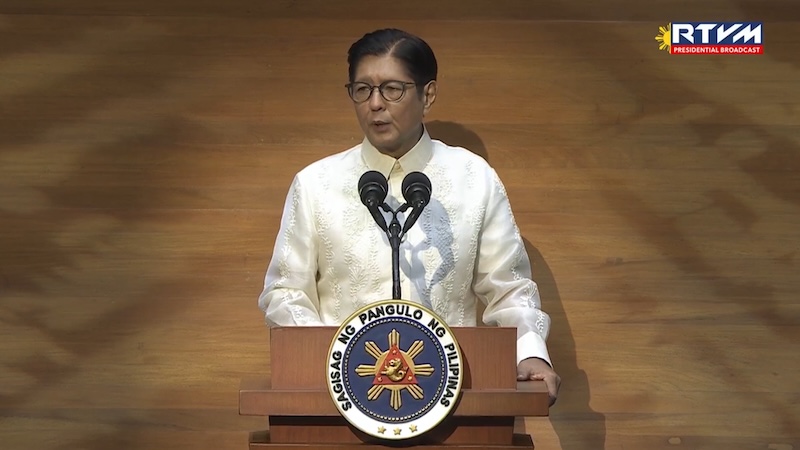
Philippine President Ferdinand R. Marcos Jr. has proposed reducing systems loss charges and their associated value-added tax (VAT) on electricity bills. Consumers have welcomed the move as a measure to alleviate household financial burdens.
This article requires PRO
This article is outside the free access window or is a special report. PRO unlocks it and the full archive.
Related articles
- Palace Open to Talks on Scrapping 'System Loss' Billing
The Philippine government expressed openness to discussions regarding the scrapping of 'system loss' charges in electricity bills, seeking a balance between reducing power rates and ensuring the cost of efficient electricity delivery is not unfairly burdened.
- Philippines Forms Joint Task Force to Remove System Loss Charges from Electricity Bills
The Philippines' Department of Energy (DOE) has established a joint task force to implement President Marcos Jr.'s directive to remove 'system loss' charges and their associated Value-Added Tax (VAT) from monthly electricity bills, aiming for fairer rates and stronger consumer protection.
- Philippine DOE Forms Joint Task Force to Remove System Loss, VAT from Electricity Bills
The Philippine Department of Energy (DOE) has established a joint task force with key agencies to remove system loss charges and their corresponding Value-Added Tax (VAT) from electricity bills, following a presidential directive. The initiative aims to reduce consumer burden and improve the efficiency of the power sector.
- House Bills Filed to Remove System Loss Charges on Electric Bills
Multiple bills have been filed in the Philippine House of Representatives seeking to remove system loss charges from electricity bills. This move follows President Marcos' State of the Nation Address, where he called for such legislation, aiming to ease the burden of electricity costs on citizens.