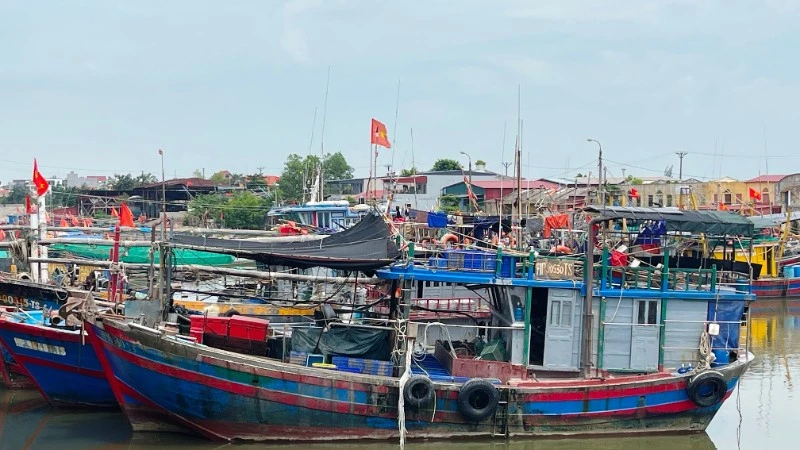
Hai Phong City Prioritizes Resident and Asset Protection Amid Approaching Tropical Depression
Hai Phong City, Vietnam, has issued directives prioritizing the safety of residents and assets in preparation for an approaching tropical depression with potential to intensify into a storm, accompanied by heavy rainfall. Relevant agencies are tasked with evacuation plans, infrastructure protection, and enhanced communication.
Hai Phong City, a major port city in northern Vietnam, has issued urgent directives prioritizing the safety of its residents and assets in preparation for an approaching tropical depression in the East Sea with the potential to intensify, along with heavy rainfall. The directives were issued by the Chairman of the City People's Committee. The Chairman strongly urged the heads of districts, departments, agencies, and schools to be fully prepared to proactively prevent and rapidly overcome consequences caused by tropical depressions, storms, floods, and heavy rains. Particular vigilance was called for against potential damage from gusts, tornadoes, and lightning that may accompany heavy rainfall. Instructions also include implementing measures to protect houses, warehouses, public facilities, infrastructure, and especially agricultural and fishery production. Readiness of personnel and equipment for rescue and relief operations in emergencies is also mandated. Furthermore, efforts to disseminate information and raise public awareness on protective measures against tropical depressions, heavy rains, and floods to ensure the safety of life and property are to be intensified. Additionally, inspections and measures to ensure the continuous operation of telecommunication and power grid systems, both before, during, and after the tropical depression, were instructed. Emphasis was also placed on promptly compiling damage statistics, rapid post-disaster recovery, maintaining sanitation, environment, and landscape, and swiftly resuming daily life and production activities. Authorities responsible for coastal and riverside areas are required to inform captains of vessels and fishing boats operating at sea about the trajectory and developments of the tropical depression, directing them to move to safe shelters and avoid dangerous zones. Strengthened safety measures are also mandated for tourist boats, coastal tourists, aquaculture and fishing facilities, and structures at sea, on islands, and along coastal and riverine areas. For residents in dangerous, high-risk flood zones, estuaries, coastal areas, and riverside locations, evacuation plans are to be developed and executed to ensure the safety of lives and minimize property damage. In mountainous and hilly regions, residents in areas prone to landslides and flash floods are instructed to monitor their surroundings for any abnormal or dangerous signs and to proactively evacuate from hazardous zones. Source: Nhan Dan
多角的分析
熱帯低気圧によるハイフォン港の操業停止や、農業・水産業への被害は、地域経済に直接的な打撃を与える可能性があります。特に、港湾機能の麻痺は、ベトナムの輸出入に依存する経済構造において、サプライチェーン全体に波及するリスクを伴います。過去の類似事例では、数日間の操業停止でも、輸出入貨物の遅延やコスト増につながり、企業の収益性を圧迫するケースが見られます。迅速な復旧と被害最小化が、経済的損失を抑える鍵となります。
ハイフォン市は、ベトナム北部における重要な工業・港湾ハブであり、多くの国内外からの投資が集まっています。今回の熱帯低気圧接近は、操業中の工場やインフラへの物理的な被害リスクを高め、投資家にとって短期的な操業停止や長期的な復旧コスト増加といった懸念材料となります。特に、サプライチェーンへの影響は、投資先の生産・出荷計画に遅延をもたらす可能性があり、市場の不確実性を増大させます。投資家は、災害リスク管理能力の高い企業や、迅速な復旧計画を持つ企業を評価する傾向が強まるでしょう。
ハイフォン市では、沿岸部や河川沿いに多くの住民が居住しており、熱帯低気圧による高潮や洪水、土砂崩れの被害リスクに直面しています。特に、脆弱なインフラを持つ低所得者層や、漁業・農業に依存する地域住民は、住居や生計手段を失う危険性が高まります。過去の事例では、避難指示に従わないことによる人命被害や、避難後の生活再建における困難が社会的な課題となっています。住民一人ひとりが、避難情報に迅速かつ正確に対応できるような、地域社会全体での防災意識の向上が求められます。
ハイフォン市の住民にとって、熱帯低気圧の接近は、直接的な人命と財産への脅威となります。特に、低地や河川沿いに住む人々は、自宅の浸水や家屋の損壊を心配しています。また、沿岸部で漁業を営む人々は、漁船の安全確保や漁業資源への影響を懸念しています。過去の経験から、避難指示が出された際の迅速な行動が重要である一方、避難生活における食料や衛生環境への不安も存在します。当局からの正確な情報提供と、地域住民同士の助け合いが、困難な状況を乗り越える上で不可欠となります。
背景・歴史的文脈
ベトナムは、熱帯低気圧や台風の通り道に位置しており、特に北部沿岸地域は過去にも甚大な被害を受けてきました。1980年代以降のドイモイ政策による経済開放以降、ハイフォン市のような港湾都市は、国内外からの投資を呼び込み、工業化と都市化が急速に進みました。これにより、経済成長の恩恵を受ける一方で、インフラの脆弱性や、人口密集地における自然災害への対応能力の限界が課題として浮上しています。今回の指示は、こうした歴史的背景と、近年頻発する異常気象への対応として、政府が防災・減災対策の強化を指示したものです。
原文ソース
Nhan Dan