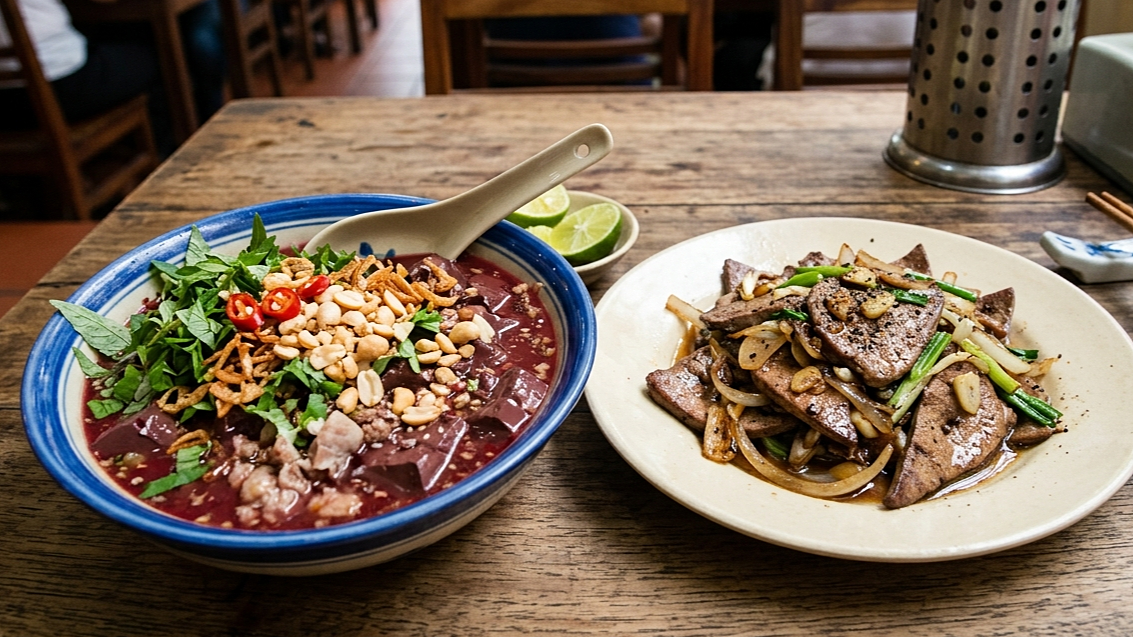
Vietnamese 'Blood-Boosting' Diets: Dangers of Raw Consumption
Technology
2026年7月16日
4
VnExpress

Vietnamese 'Blood-Boosting' Diets: Dangers of Raw Consumption

AI サマリー

In Vietnam, there's a tradition of consuming pork blood and liver to combat anemia. However, experts warn of the risks associated with raw consumption, particularly the high danger of infections like Streptococcus suis from raw pork blood (tiet canh).

In Vietnam, the practice of consuming pork liver and blood to improve iron-deficiency anemia is deeply ingrained. However, experts caution that the notion of "eating to cure" is not always accurate, particularly highlighting the severe health risks associated with eating raw pork blood, known as "tiet canh." Tiet canh, which involves consuming pork blood without heat treatment, carries an extremely high risk of infection from pathogens like Streptococcus suis. This bacterium can reside in the respiratory tract and blood of pigs, making it difficult to detect visually. Transmission to humans can occur not only during food preparation but also through contact with wounds if protective measures are not taken. Infections from Streptococcus suis can lead to sepsis, meningitis, pneumonia, myocarditis, and arthritis. Some cases progress rapidly, resulting in septic shock, multi-organ failure, and death. Long-term consequences such as hearing loss and neurological damage are also possible. Conversely, properly cooked pork liver and blood can be valuable sources of iron and protein, aiding in anemia prevention and management. They are rich in iron, vitamins A, B12, folate, and protein, making them beneficial, especially for women of reproductive age and children. However, even liver can pose health risks if it is from a diseased animal, contaminated with harmful substances, or inadequately cooked. Consumers are advised to check for natural color, smell, and surface texture, and to source from reputable suppliers. Nutrition experts recommend consuming pork blood only after thorough cooking. For pork liver, a consumption of about 50-100 grams once or twice a week is suggested. Consuming it with vitamin C-rich fruits and vegetables can enhance iron absorption. Individuals with pre-existing conditions such as hyperuricemia, dyslipidemia, or cardiovascular diseases should be cautious due to the high cholesterol and purine content and consult a doctor before consumption. Under Vietnam's one-party system, regulations and awareness campaigns regarding food safety are in place. However, balancing traditional dietary practices with health risks remains a challenge for public health maintenance. Changes in diet due to economic growth and variations in food habits between urban and rural areas are also considered contributing factors to these health issues.

多角的分析

経済的影響

ベトナムにおける伝統的な食習慣と公衆衛生の課題は、経済成長と密接に関連している。所得向上に伴い、より栄養価の高い食品へのアクセスが増える一方で、食の安全に対する意識や知識の普及が追いついていない側面がある。豚肉製品、特に内臓や血は、安価で入手しやすく、栄養価が高いと認識されているため、貧困層や地方部を中心に依然として食卓に上ることが多い。しかし、これらの食品の不適切な調理や摂取は、医療費の増加という形で経済的負担をもたらす。政府は食品安全基準の強化や啓発活動を進めているが、その効果は地域や所得層によって差があると考えられる。国際的な食品安全基準との整合性を高め、国民全体の食の安全意識を向上させることが、長期的な経済的持続可能性にも繋がるだろう。

投資家心理

ベトナムの食品産業への投資を検討する上で、伝統的な食習慣と公衆衛生リスクの乖離は重要な考慮事項となる。豚肉製品、特に肝臓や血といった部位は、国内消費市場において一定の需要がある。しかし、生食文化に起因する食中毒リスクは、食品加工・流通業者にとって無視できないリスク要因である。投資家は、衛生管理体制が確立された加工業者や、厳格な品質管理基準を持つ企業への投資を優先すべきである。また、健康志向の高まりや、食の安全に対する意識向上を背景に、安全で栄養価の高い加工食品や、伝統的な食材を安全に摂取できる方法を開発する企業への投資機会も考えられる。ベトナム政府の食品安全規制の動向を注視することも重要である。

社会的影響

ベトナムにおける「 tiet canh 」のような生食文化は、食の安全に対する認識と、伝統的な食習慣との間で、社会的な摩擦を生じさせている。特に、豚レンサ球菌感染症のリスクは、公衆衛生上の深刻な問題として認識されつつあるが、長年培われてきた食文化を変えることは容易ではない。都市部では、衛生的な環境で調理された豚肉製品へのアクセスが増え、食の安全に対する意識も高まっているが、地方部や所得の低い層では、依然として生食文化が根強く残っている可能性がある。この問題は、単に食習慣の改善に留まらず、教育、医療、そして社会経済的な格差といった、より広範な社会課題とも関連している。公衆衛生当局は、リスクを正確に伝えつつ、地域の実情に合わせた啓発活動を展開する必要がある。例えば、ホーチミン市のような大都市では、若年層を中心に食の安全や健康への関心が高まっているが、地方の農村部では、伝統的な食経験が重視される傾向がある。このような地域差を考慮したアプローチが求められる。

市民の声

ベトナムの市民、特にホーチミン市のような大都市に住む人々にとって、貧血は身近な健康問題であり、豚の肝臓や血は手軽に鉄分を補給できると考えられがちです。しかし、専門家が指摘するように、「 tiet canh 」のような生食は、想像以上に危険が伴います。特に、SNSなどで食文化が共有される中で、リスクが十分に理解されないまま広まることも懸念されます。私たちは、健康のために食を選ぶ際に、単に「体に良い」という情報だけでなく、それが安全な方法で調理されているか、どのようなリスクがあるのかを、より慎重に判断する必要があります。例えば、市場で豚肉を買う際にも、衛生状態や新鮮さを確認することが大切です。

背景・歴史的文脈

ベトナムにおける豚肉製品、特に血や内臓の消費は、古くから貧血予防や滋養強壮といった目的で行われてきた。これは、農耕社会において、入手しやすく栄養価の高い食材として豚肉が重用されてきた歴史的背景による。経済成長に伴い、食生活は多様化したが、伝統的な食習慣は依然として根強く残っている。特に、鉄分補給という観点から、豚の血や肝臓は手軽な選択肢と見なされてきた。しかし、近年の公衆衛生学の進展により、生食に伴う細菌や寄生虫による感染症のリスクが科学的に明らかになり、注意が喚起されるようになった。ベトナム政府は、食品安全に関する法規制を整備し、国民への啓発活動を行っているが、伝統文化との兼ね合いや、地方部への周知徹底には課題も残されている。

原文ソース

VnExpress

原文を読む