General articles are free for 24 hours after publish.
Kalimantan's Red Cat Recaptured on Camera in Kayan Mentarang, Aiding Biodiversity Monitoring
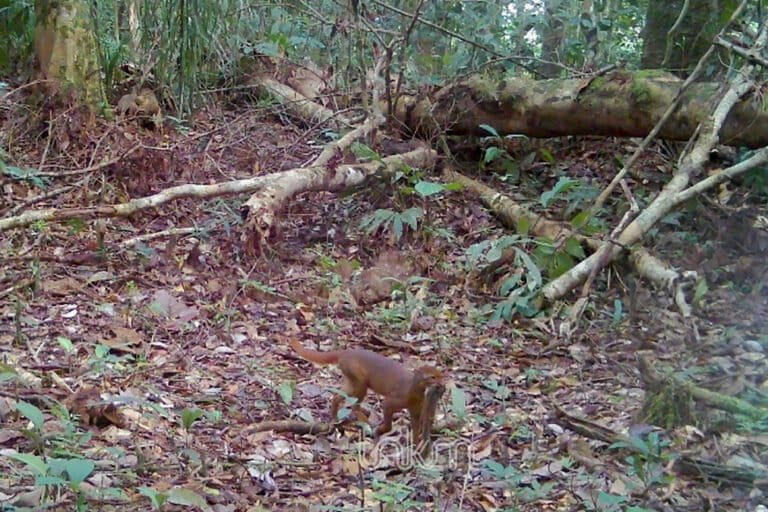
Kalimantan's red cat, an endangered species, has been recaptured on camera traps in Kayan Mentarang National Park, North Kalimantan, Indonesia. This rare sighting underscores the park's importance for biodiversity conservation.
A rare 'Kalimantan red cat' (Catopuma badia) has once again been captured on camera traps within the Kayan Mentarang National Park (TNKM) in Malinau Regency, North Kalimantan, Indonesia. This elusive feline, named for its distinctive red fur, is considered one of the most mysterious and difficult-to-spot carnivores on the island of Borneo. The latest footage was obtained in the Mentarang Tubu Resort area, Rian Tubu Village, after camera traps were installed for several months in the primary forest. The appearance of this endemic species is a significant record for biodiversity monitoring efforts in the conservation area. Classified as Endangered, the red cat is known for its solitary nature, elusiveness, and tendency to avoid human presence. Seno Pramudito, Head of TNKM National Park, stated in a release on Monday (7/9/26), "This species is very difficult to encounter directly, so documentation through camera traps helps us obtain data regarding its presence within the area." He added that the reappearance of the red cat highlights the importance of the TNKM forest area as a habitat for various wild animals, emphasizing the need for consistent forest protection and biodiversity monitoring. Prior to this, the Kalimantan red cat was last recorded in 2023 in the Sungai Bahau Resort, which borders the Mentarang Tubu Resort. Its reappearance after more than two decades without new documentation had previously garnered significant attention. The most recent images show a red cat carrying prey as it walks to the right. Little is known about this cat, leading some researchers and conservationists to refer to it as a "ghost." Our knowledge of its hunting habits, mating behaviors, and forest exploration remains minimal. Source: Mongabay Indonesia
Original source
Mongabay Indonesia