General articles are free for 24 hours after publish.
Cambodia Emphasizes Multifaceted Approach to Literacy Improvement on International Literacy Day
Cambodia commemorated the 26th International Literacy Day in Ratanakiri province, celebrating an adult literacy rate of 85.5%. The Ministry of Education highlighted modern literacy concepts, including digital and vocational skills, to achieve Sustainable Development Goals. Prime Minister Hun Manet issued directives to relevant ministries to expand literacy programs and provide diverse learning opportunities.
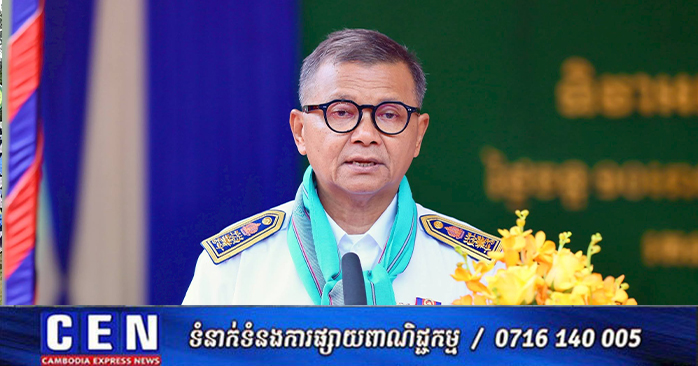
Cambodia commemorated the 26th International Literacy Day on September 7th in Ratanakiri province. The event was presided over by H.E. Dr. Hang Chuon Naron, Deputy Prime Minister and Minister of Education, Youth, and Sport, with the participation of Mr. Flavio Bonetti, UNESCO Representative to Cambodia, H.E. the Governor of Ratanakiri Province, representatives from relevant ministries, partner organizations, education officials, teachers, and students. Mr. Flavio Bonetti, UNESCO Representative to Cambodia, highlighted that this year's theme, "Literacy for Inclusive Education Quality," underscores literacy as a fundamental right and the bedrock of lifelong learning. He commended Cambodia's efforts in raising the adult literacy rate to 85.5% and its continued promotion of multilingual education programs for ethnic minorities, literacy programs in factories, and foundational equivalency programs to meet Sustainable Development Goal 4 (SDG 4) and the Education Sector Strategic Plan 2024-2028. Deputy Prime Minister Dr. Hang Chuon Naron stated that in the current context, literacy extends beyond basic reading, writing, and arithmetic to include digital literacy, critical thinking, and lifelong vocational training. This aims to empower all citizens, including out-of-school children and youth, workers, and ethnic minorities, to fully leverage technology and meet the demands of the digital labor market. Furthermore, he emphasized that enhancing literacy and investing in human resource development significantly contribute to social and economic growth, as well as the sustained maintenance of peace, stability, and national sovereignty. The Cambodian government is actively working to protect territorial integrity and promote inclusive development in border areas through infrastructure development, including roads, schools, and health centers, ensuring equitable and sustainable educational and developmental opportunities for all citizens. To translate this theme into concrete actions, Deputy Prime Minister Dr. Hang Chuon Naron outlined four key strategies: (1) strengthening quality literacy, (2) promoting inclusive literacy, (3) developing digital literacy and lifelong learning, and (4) reinforcing partnerships and stakeholder engagement. During the event, a message from H.E. Dr. Hun Manet, Prime Minister of the Kingdom of Cambodia, was also read. The Prime Minister provided six key recommendations: (1) relevant ministries and institutions should continue to develop necessary policies and legal frameworks to expand literacy and digital programs; (2) create lifelong learning and education programs, especially for ethnic minorities and vulnerable groups; (3) sub-national authorities must facilitate the establishment of community learning centers and appropriate learning spaces; (4) factory owners, enterprises, and private companies should continue to open literacy classes and provide vocational training to employees; (5) all media outlets must increase dissemination of the value of literacy; and (6) strengthen cooperation and partnerships between government ministries and institutions, development partners, NGOs, and the private sector to mobilize resources and improve the quality of education. Source: CEN Cambodia
Original source
CEN Cambodia