General articles are free for 24 hours after publish.
Tho Chau Island Fishermen Give Fish a Freshwater 'Bath' to Combat Parasites
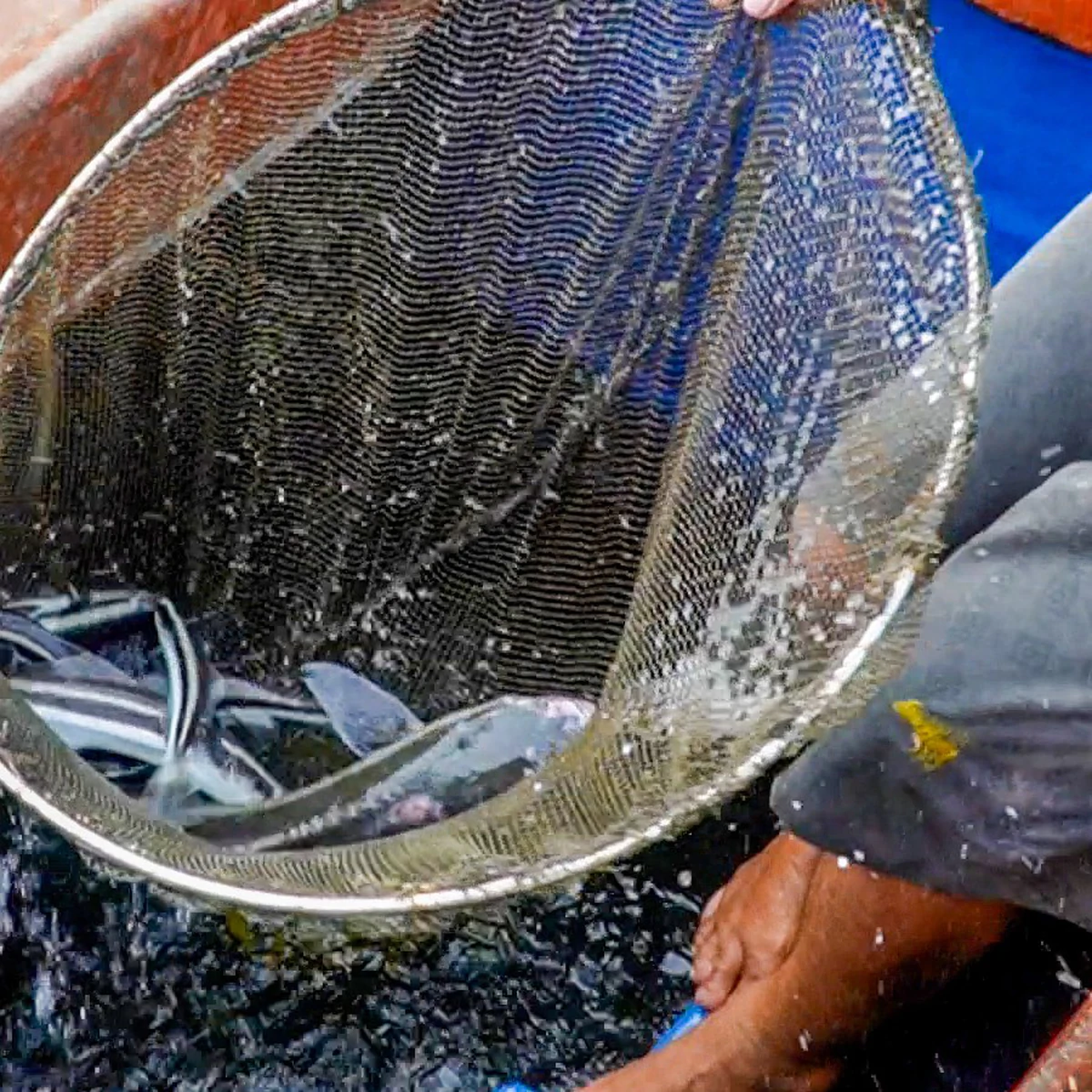
Fishermen on Tho Chau Island, southern Vietnam, are implementing a unique practice of giving their farmed fish a freshwater 'bath' every 10 days to control parasites and prevent diseases. This method highlights innovative approaches to aquaculture challenges in marine environments.
On Tho Chau Island in Kien Giang Province, southern Vietnam, a unique disease prevention method is being employed for marine fish farming. Local residents primarily raise seabass and grouper, and they give their fish a freshwater bath approximately every 10 days. This 'freshwater bath' aims to control parasites that inhabit saltwater environments and prevent associated diseases. While marine aquaculture offers the advantage of vast space compared to land-based farming, it is constantly exposed to the risks of parasites and pathogens. The island's geographical isolation may also make it more susceptible to external influences. The practice on Tho Chau Island exemplifies the ongoing efforts in Vietnam's coastal regions to explore new aquaculture technologies and management methods. Vietnam, with its extensive coastline, relies heavily on aquaculture as a significant industry. As Vietnam continues its economic growth under a one-party system, ensuring food security and maintaining export competitiveness remain crucial objectives. These on-the-ground innovations play a part in achieving these goals. Under the one-party system, Vietnam's economic development also includes advancements in agriculture, forestry, and fisheries. Improving the quality of aquatic products for export markets, in particular, is emphasized from the perspective of foreign exchange earnings. The 'freshwater bath' for fish on Tho Chau Island suggests the efforts of those on the ground to maintain quality while controlling production costs within this broader context. Source: The Saigon Times
Original source
The Saigon Times