General articles are free for 24 hours after publish.
Indonesia Prepares Infrastructure for E20 Bioethanol Fuel Implementation
State-owned oil company Pertamina has begun infrastructure development, from fuel terminals to gas stations (SPBU), for the implementation of E20 bioethanol blend fuel. This initiative aims to enhance domestic energy self-sufficiency and reduce environmental impact, though challenges include infrastructure adjustments and special handling for storage and transport.
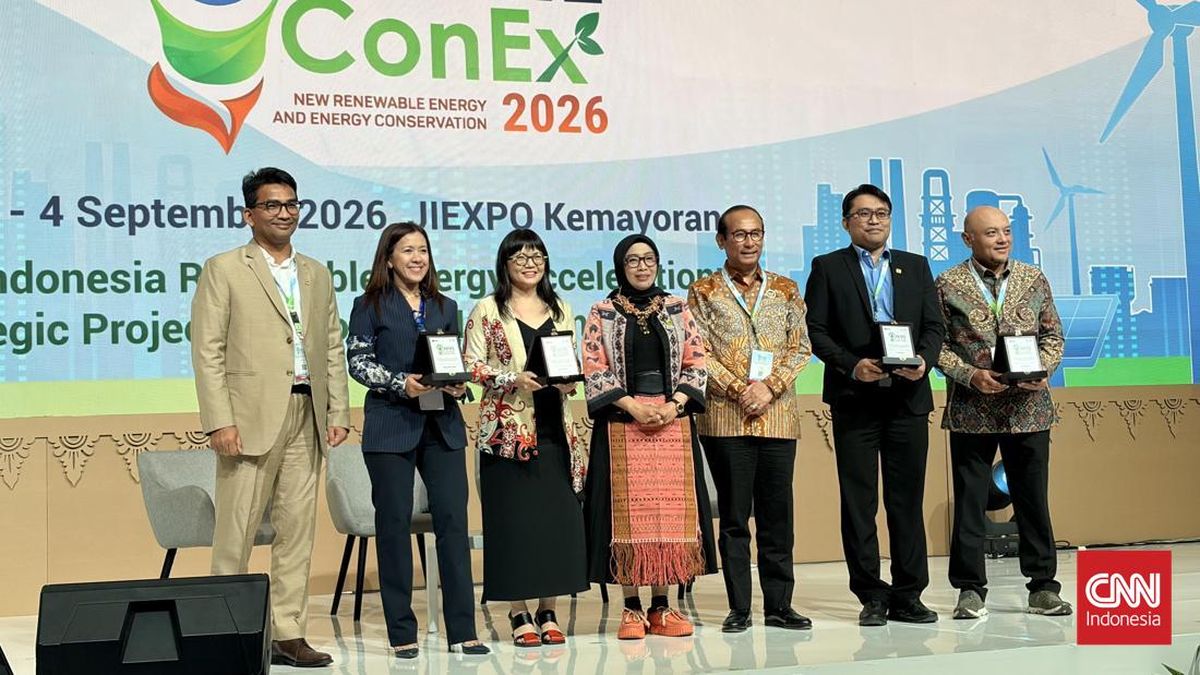
PT Pertamina (Persero) has begun preparing infrastructure to support the implementation of up to 20% bioethanol blend fuel (E20). This preparation spans from fuel terminals to general gas stations (SPBU). Senior Vice President of Business Development at Pertamina, Ary Kurniawan, stated that Pertamina is currently preparing bioethanol supply facilities in Jakarta and Surabaya through the 'Pertamax Green 95 (PG95)' program. He remarked during a panel discussion at EBTKE ConEx 2026, "If we look at how we can succeed with E20 like we did with B20, we need to look at the ecosystem comprehensively, similar to biodiesel." According to Ary, Pertamina is also preparing terminals to receive bioethanol products to support the implementation of E20. However, if the program is expanded to cover Java, Bali, and nationally, further adjustments will be required for numerous terminals. "The terminals are being prepared to receive E20. It will take time, perhaps 1-2 years for the preparation process," he added. Terminal readiness is not the sole task in E20 infrastructure development. Pertamina also needs to prepare facilities at SPBUs to receive and distribute bioethanol blend fuel. These adjustments include the readiness of tanks, distribution facilities, and dispensers serving consumers. "The issue lies with the SPBUs. This is where we need support from the government, Hiswana Migas (Indonesian Fuel and Gas Retailers Association), and the SPBUs themselves, on how to prepare SPBUs to receive bioethanol products," Ary explained. Ary pointed out that E20 infrastructure development presents unique challenges because bioethanol's characteristics differ from conventional petroleum fuels. Bioethanol is more hygroscopic, meaning it absorbs water more easily. This necessitates special handling in storage and distribution processes to maintain fuel quality. Consequently, Pertamina must also provide training to SPBU personnel on proper bioethanol handling procedures. "We need to provide training to the staff who will be doing the dispensing, so they can maintain the quality of the bioethanol itself. This is because bio-based fuels are more hygroscopic," Ary stated. The training will extend not only to SPBUs but also to Pertamina's terminals and the ships transporting the product. This integrated approach aims to ensure that the E20 infrastructure functions as a cohesive unit, from receiving and storage to transportation and final distribution to consumers. "We see this infrastructure as a unified system that needs to be integrated for much better handling," he concluded.
Original source
CNN Indonesia