Manet Rejects Civil Society Restrictions, Highlights Government Support for 'Genuine' Groups
Society
2026年7月2日
5
Phnom Penh Post

Manet Rejects Civil Society Restrictions, Highlights Government Support for 'Genuine' Groups

AI サマリー

Prime Minister Hun Manet has refuted claims of government suppression of civil society organizations (CSOs), stating that Cambodia supports 'genuine' CSOs operating transparently for the benefit of the people and national development. He noted around 6,500 registered CSOs, many of whom are valuable government partners.

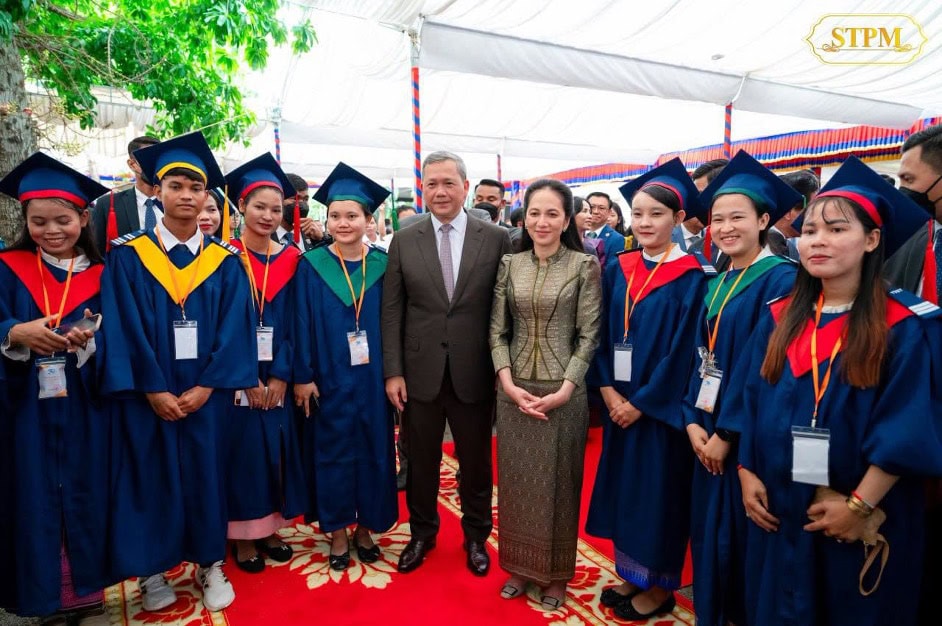
Prime Minister Hun Manet has rejected claims that the Cambodian government suppresses or restricts civil society organisations, insisting that the it remains open and fully supportive of organisations that operate transparently, honestly and effectively for the benefit of the Cambodian people and national development, particularly in the field of human resource development. He shared his comments on July 2, as he attended celebrations marking the 30th anniversary of Pour un Sourire d’Enfant (PSE). The prime minister also presented graduation certificates to 500 students from the 2021–2024 academic cohorts. Manet said reports suggesting that the government discourages or limits civil society activities were “misleading”. “There are misunderstandings, particularly in some media reports claiming that the government does not support civil society organisations, or that it suppresses freedoms and prevents them from operating. That is simply not true. A small number of cases involving specific organisations or issues of expression are separate matters and must operate within the law,” he said. He noted that Cambodia has around 6,500 registered associations and NGOs — approximately 3,000 associations and 3,500 NGOs — operating across the country. “Some have ceased operating, but thousands of NGOs remain valuable partners of the government. Why would the government restrict organisations like these? On the contrary, we encourage them to do even more, provided they are genuinely serving the public,” he said. The prime minister cited PSE as an example of a civil society organisation that enjoys the government’s full support because of its longstanding work assisting disadvantaged children through education, vocational training and employment opportunities over the past three decades. Founded in Cambodia in 1996 by Christian and Marie-France des Pallières, PSE is a non-profit organisation dedicated to helping impoverished children escape poverty through education and vocational skills training. On average, the organisation provides annual support to nearly 7,000 disadvantaged and vulnerable children, offering accommodation, meals, general education and vocational training. Graduates have gone on to secure employment across a wide range of sectors in Cambodia, while some have also found work overseas. Manet said that over the past 30 years, PSE has made a significant contribution to Cambodia’s poverty reduction efforts and human resource development by delivering high-quality vocational education. The organisation has helped tens of thousands of Cambodian children and young people build better futures while supporting the government’s broader sustainable development goals, he noted. He argued that organisations providing education, healthcare and social welfare deliver fundamental human rights in practice. “Is an organisation like PSE, which provides education and training, somehow less valuable than an organisation that simply shelters under a label and spends its time making accusations? Certainly not,” he said. “Civil society organisations that genuinely serve people are the ones expanding people’s rights and freedoms. Human rights are not simply about shouting slogans or holding protests. Human rights include the right to education, healthcare and social welfare. These are fundamental rights,” he added. He noted that education empowers people by giving them knowledge and genuine freedom, and said the government would continue welcoming and supporting the thousands of civil society organisations working constructively alongside the state. The Prime Minister also called on all civil society organisations to strengthen cooperation with the government and development partners to help address social challenges and contribute to Cambodia’s continued development. “The government will always welcome sincere, constructive efforts from all stakeholders working together to build a better Cambodia,” he said.

多角的分析

経済的影響

マネット首相の発言は、カンボジアにおける経済発展と人的資源開発へのCSOの貢献を政府が評価していることを示唆している。PSEのような職業訓練を提供する組織への言及は、労働力育成と雇用創出が経済成長の鍵であるという政府の認識を反映している。しかし、CSOへの「制限」に関する言及は、一部の組織が政府の意向に沿わない活動を行っている可能性を示唆しており、これが将来的な投資環境や国際的な援助に影響を与えるリスクも考えられる。

投資家心理

マネット首相はCSOへの支援を表明したが、同時に「法の下で運営されるべき」という条件を付けた。これは、投資家にとって、カンボジアでの事業活動において、国内法規の遵守が不可欠であることを再確認させるものだ。透明性と誠実さを重視する姿勢は、健全なビジネス環境の構築を目指すものだが、CSOの活動に対する政府の解釈次第では、NGOや国際機関との連携を重視する投資家にとっては、不確実性をもたらす可能性もある。

社会的影響

マネット首相は、教育や医療を提供するCSOを「真に国民に奉仕する」と称賛し、これらを人権の実現と結びつけた。これは、社会福祉の向上を重視する姿勢を示す一方で、政府の政策に批判的なCSOや、政治的な活動を行うCSOを「真に奉仕していない」と暗に排除する可能性を示唆している。PSEのような組織への支援は、社会的な恩恵をもたらすが、政府の意向に沿わない活動を行う市民社会の空間が狭まる懸念も残る。

市民の声

マネット首相の発言は、政府が「国民と国家発展に貢献する」CSOを支援するというメッセージを送っている。これは、恵まれない子供たちへの教育支援を行うPSEのような組織にとっては朗報だが、政府の政策に疑問を呈したり、権利擁護を訴えたりする活動を行う市民にとっては、自分たちの活動が「真に国民に奉仕している」と見なされるかどうかの不安を生む可能性がある。市民は、CSOが政府との協力を深める中で、自分たちの声がどのように反映されるのかを注視する必要がある。

背景・歴史的文脈

カンボジアにおけるCSOの活動は、長らく国際社会からの支援を受け、民主化や人権擁護、貧困削減に貢献してきた。しかし、2015年の「NGO法」施行以降、政府はCSOの活動に対する監視を強め、政治的な活動を行う団体への圧力を高めてきた。フン・セン元首相時代から、政府はCSOを「外国の干渉」や「国内の不安定化要因」と見なす傾向があり、マネット政権下でもその姿勢は引き継がれていると考えられる。今回の首相の発言は、こうした歴史的背景の中で、政府のCSOに対するスタンスを改めて示したものと言える。

原文ソース

Phnom Penh Post

原文を読む