General articles are free for 24 hours after publish.
Vietnam Government Prioritizes Rental Social Housing, Curbs Sales
The Vietnamese government has decided to increase the proportion of rental and lease-purchase social housing while reducing sales-based units from 2026 to 2030. This move aligns with the top leadership's directive that housing should be for living, not speculation.
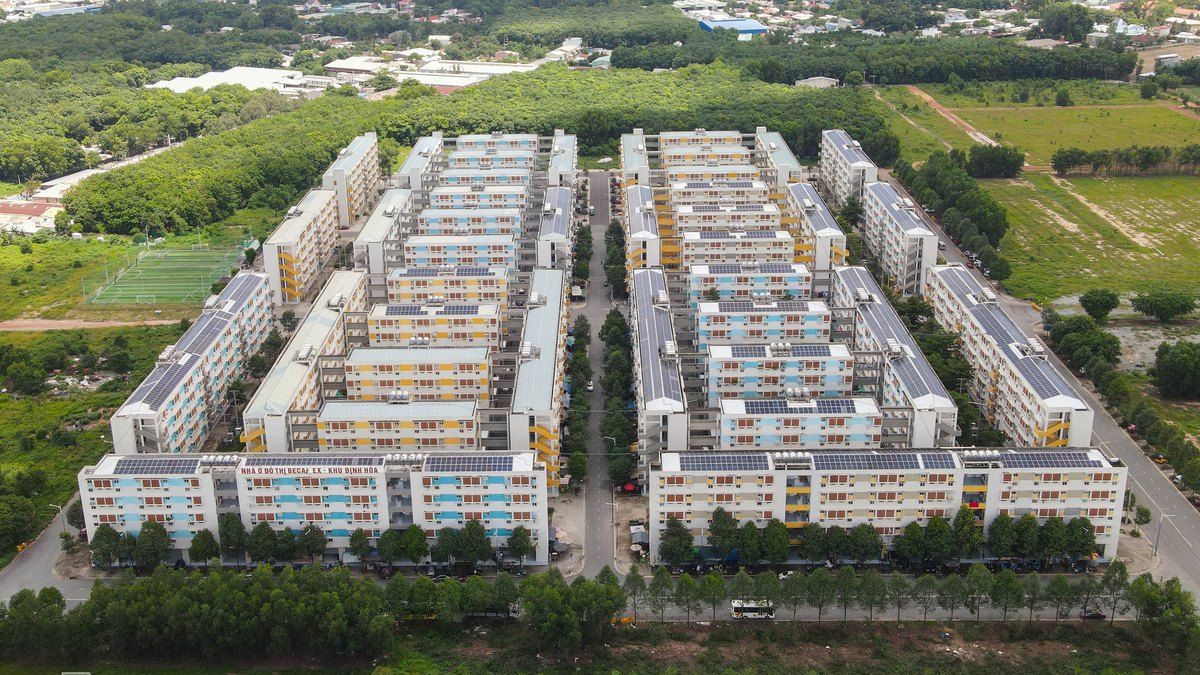
The Vietnamese government has instructed an increase in the proportion of rental and lease-purchase social housing while reducing sales-based units in its social housing development plans for the period 2026-2030. This move reflects the strong directive from the top leadership that housing should primarily serve its purpose of habitation, rather than being an object of speculation or asset accumulation. The Ministry of Construction has been tasked with expediting the drafting of a resolution that outlines increased targets for rental and lease-purchase social housing and reduced targets for sales-based units. The ministry is also required to refine laws concerning rental housing and closely monitor the real estate market, assessing risk factors to implement timely measures for its healthy, safe, and sustainable development. Furthermore, the State Bank of Vietnam is directed to guide credit institutions in channeling funds towards production, business, and priority sectors, including social housing, rental housing, and essential infrastructure. This policy shift aligns with previous statements by General Secretary and President Tô Lâm, who emphasized that by 2030, rental housing should be identified as a strategic pillar, alongside housing for sale. The government intends to categorize housing into four groups: commercial, rental, public service, and policy-based housing, each with tailored mechanisms. Priority will be given to the development of rental housing, particularly in major urban centers, industrial parks, economic zones, and key economic corridors. To facilitate rapid development and ensure reasonable pricing in the rental housing market, the Government Party Committee is instructed to research land and credit policies. Procedures for investment, land allocation, construction permits, and access to preferential credit are also expected to be streamlined. Localities are mandated to review and prepare clean land funds for rental housing development and to integrate housing plans with essential technical infrastructure, healthcare, education, and social services. The selection of individuals eligible for housing preferences must be strictly controlled and transparent to prevent policy abuse. Following this directive, several localities have begun to promote rental housing projects. In June, Hanoi commenced three projects with over 8,000 rental apartments, totaling approximately 30,000 billion VND (around $1.2 billion USD). Haiphong also launched a worker and expert accommodation project worth 1,100 billion VND, providing over 1,000 rental apartments in the expanded Dai An Industrial Park. Information Source: VnExpress
Original source
VnExpress