General articles are free for 24 hours after publish.
Thanh Hoa Province Waives Entrance Fees for Lam Kinh Festival 2026
Thanh Hoa Province in central Vietnam has announced that entrance fees to the Lam Kinh Special National Historical Site will be waived during the 2026 Lam Kinh Festival. This initiative commemorates the 608th anniversary of the Lam Son Uprising and aims to promote cultural heritage and attract tourists.
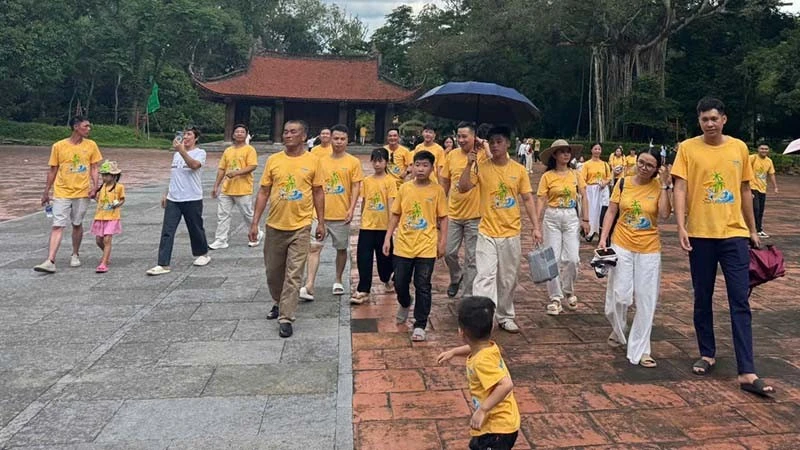
Thanh Hoa Province in central Vietnam has announced that entrance fees to the Lam Kinh Special National Historical Site will be waived during the 2026 Lam Kinh Festival. This initiative commemorates the 608th anniversary of the Lam Son Uprising, the 598th anniversary of King Le Loi's ascension to the throne, and the 593rd anniversary of the death of national hero Le Loi. The fee waiver will be in effect from September 30 to October 3, 2026 (August 20-23 in the Year of the Wood Horse, Nham Ngo). During this period, the Lam Kinh Festival will feature traditional folk performances, recognized as intangible cultural heritage of Thanh Hoa Province, including "Xuan Pha," "Phuon Phuong," and "Ngu Tro Vien Khe," as well as "Hat Cheo" (Vietnamese folk opera). Additionally, a "Highland Market" will be organized along the pathway from the main entrance to the Bach Bridge within the Lam Kinh Historical Site complex. This market will showcase, introduce, and sell OCOP (One Commune One Product) certified goods from various localities and businesses in Lam Son and the mountainous regions of Thanh Hoa Province. Beyond waiving entrance fees, the Management Board of Thanh Hoa's Historical Heritage is creating innovative and creative check-in (photo opportunity) spots within the Lam Kinh Special National Historical Site to promote the heritage site and attract more visitors for an immersive experience. Under Vietnam's one-party system, the preservation of cultural heritage and the promotion of tourism are considered crucial policies for regional economic development and strengthening national identity. The Le Dynasty era, in particular, represents a significant turning point in Vietnamese history, and preserving its legacy is vital for emphasizing national historical continuity. In the context of complex relations with China, leveraging domestic historical and cultural resources also serves to reaffirm national distinctiveness.
Original source
Nhan Dan