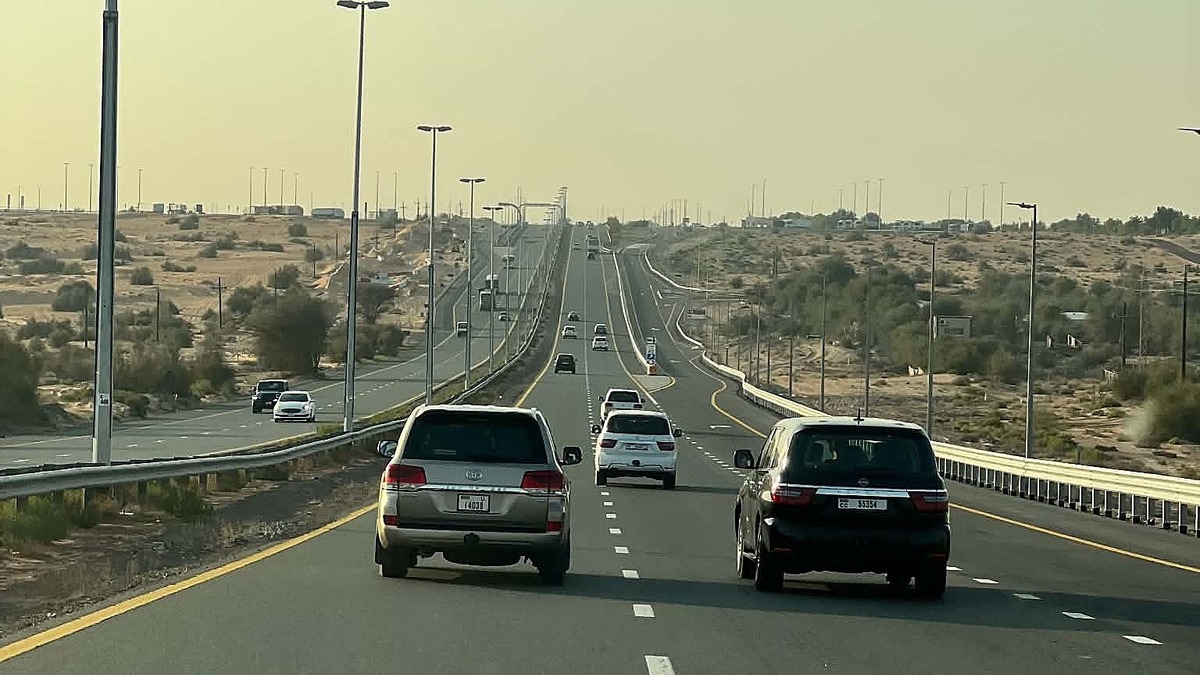
The Dangers of Right-Lane Overtaking on Vietnamese Expressways
Infrastructure
2026年7月30日
5
VnExpress

General articles are free for 24 hours after publish.

The Dangers of Right-Lane Overtaking on Vietnamese Expressways

Share
AI Summary

Amid discussions about potentially allowing right-lane overtaking on Vietnamese expressways, experts warn this practice increases complex lane changes and accident risks due to larger blind spots on the right. It contradicts traffic safety principles and reduces predictability.

Discussions are arising on Vietnamese expressways regarding whether right-lane overtaking should be permitted. Some drivers have voiced opinions that vehicles wishing to travel faster should be allowed to overtake from the right if the vehicle ahead is already traveling at the maximum speed limit. However, traffic safety experts are sounding the alarm, warning that forcing vehicles to overtake from the right makes the overtaking maneuver more complex and increases the risk of collisions. The blind spot on the right is larger than on the left. According to traffic safety organizations like IAM RoadSmart, overtaking on the left aligns with the traffic patterns of most right-hand drive countries. Drivers tend to check their left rearview mirrors more frequently, whereas the right-side blind spot of a vehicle is generally larger. This is particularly evident in SUVs, trucks, and buses, which have higher seating positions and larger bodies, creating a wider right-side blind spot compared to passenger cars. If a vehicle suddenly appears on the right to overtake, the driver ahead might not detect it in time when preparing to change lanes or return to the right lane after overtaking another vehicle, thus increasing the risk of a collision. This is also why many countries consider overtaking on the right to be an exception under certain traffic conditions. Lane changes are among the maneuvers that carry a higher risk of collision than maintaining a lane. When a vehicle occupies the left lane for an extended period, vehicles behind wishing to overtake may be forced to move to the right lane instead of overtaking from the usual side. This leads to additional lane changes, meaning more potential points of conflict between vehicles. Under normal traffic conditions, an overtaking vehicle only needs to use the left lane to pass and then return to the right lane after completing the maneuver. However, if the left lane is occupied, drivers might have to switch to the right lane to overtake, then switch back to the left lane to continue their journey or to overtake other vehicles ahead. In many cases, they may even have to weave through trucks or slow-moving vehicles in the right lane, further increasing the number of lane changes. Each lane change requires the driver to check rearview mirrors, check blind spots, assess the speed of surrounding vehicles, and identify a safe gap. Therefore, the more lane changes a driver performs, the greater the risk of errors and collisions. The right lane on expressways is not only for slower vehicles but also where vehicles merge onto or prepare to exit the highway. Consequently, a vehicle overtaking in the right lane might encounter a vehicle that has just merged from an on-ramp at a significantly lower speed, or a vehicle decelerating to prepare for an exit. In such situations, the driver may have to change lanes again or brake sharply to avoid a collision. In contrast, the lane closer to the central median typically has fewer merging or exiting situations, making overtaking simpler and more predictable. A crucial principle of safe traffic is that driver behavior must be predictable. When all vehicles understand that overtaking vehicles will appear from a consistent direction, drivers will proactively observe that direction before changing lanes. If vehicles can overtake from both sides, it becomes difficult for drivers to predict the direction from which a vehicle behind might appear. Having to simultaneously observe both the left and right sides before each lane change causes drivers to divide their attention and increases the risk of missing an overtaking vehicle. This is also why many countries maintain the principle of 'keep right, overtake on the left only' rather than allowing drivers to choose their overtaking side. Source: VnExpress

0

Original source

VnExpress

原文を読む