Japan Report Reveals 130 Abnormal Shutdowns at Chinese Nuclear Plants
Infrastructure
2026年7月3日
5
Chiang Rai Times

Japan Report Reveals 130 Abnormal Shutdowns at Chinese Nuclear Plants

AI サマリー

A Japanese news agency has published a report on China's nuclear power plants, revealing 130 abnormal shutdowns between 2011 and 2024. These unplanned stops were attributed to equipment failures and human error.

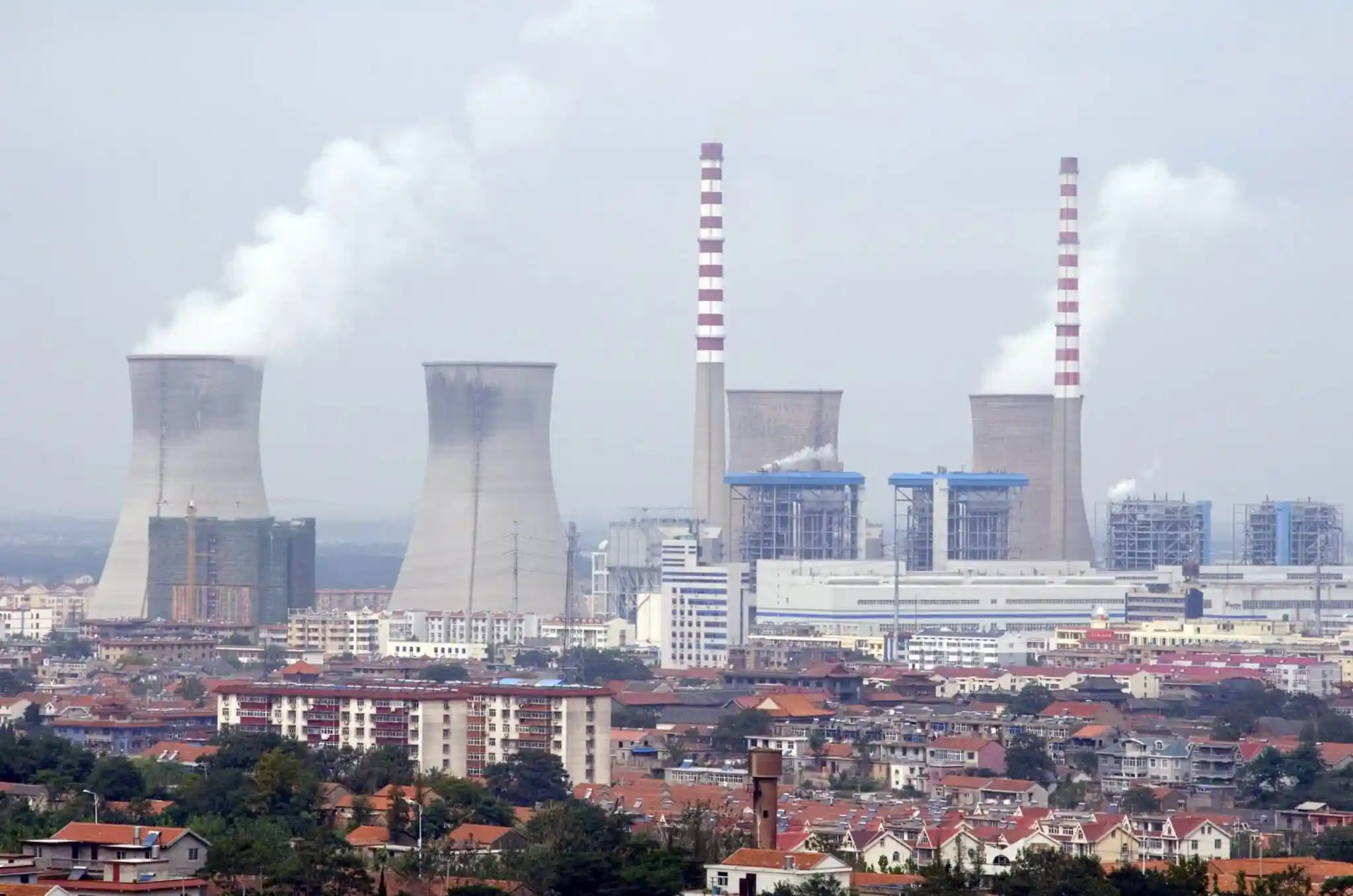
A new report from Japan has raised serious questions about China's nuclear safety, with a Japanese news agency revealing that a total of 130 abnormal shutdowns occurred at Chinese nuclear power plants between 2011 and 2024. The report, based on a detailed analysis of official data from China's National Nuclear Safety Administration (NNSA), highlights a significant number of unplanned events during this thirteen-year period. These shutdowns were not routine maintenance or planned safety checks but rather sudden stops caused by immediate problems. According to the report, the abnormal shutdowns can be broadly categorized into two main groups: critical facility failures involving broken machinery and human error. Operating a modern nuclear reactor requires intense focus and strict safety protocols, and even minor mistakes can lead to the shutdown of a large plant. The data indicates that human mistakes, such as incorrect operational choices by workers, frequently triggered automatic safety systems, underscoring the vital importance of adequate training and rest for nuclear plant personnel. The timeframe of the report is particularly significant given the 2011 Fukushima Daiichi nuclear disaster, a major turning point for global nuclear power. Following that event, nuclear safety scrutiny intensified worldwide, and China had pledged to enhance its own reactor safety. However, the recent data suggests that serious issues continued to occur frequently. China's urgent need for more power to fuel its rapidly growing cities and factories has led to the rapid construction of many new nuclear plants. This rapid development may explain the high incidence of operational issues. The report's findings, derived from official data collected by the NNSA, offer a rare glimpse into a normally private system. Global experts acknowledge the value of China maintaining detailed records but still view the high number of sudden stops as a major concern. As the world strives to combat climate change by reducing reliance on dirty coal, nuclear power is seen as a clean energy alternative. China is leading global construction of new nuclear reactors, and its success or failure impacts the international energy market. If Chinese plants are proven unsafe, it could deter other nations from adopting nuclear energy. The report thus underscores the critical need for reliability and safety in the push for clean energy. Sudden shutdowns due to equipment failure or human error can necessitate reliance on fossil fuel backup power, undermining the very purpose of clean energy. Enhanced quality control during construction and more rigorous safety inspections are suggested as urgent necessities.

多角的分析

経済的影響

中国は世界最大の原子力発電所建設国であり、その安全性の問題は、エネルギー供給の安定性、ひいては経済成長に直接的な影響を与える。異常停止は、発電量の損失だけでなく、復旧にかかるコスト、代替電源(多くは化石燃料)への依存増加による環境コスト増大を招く。また、国際的な原子力産業への信頼性低下は、中国のエネルギー輸出戦略や国際協力にも影響を及ぼす可能性がある。

投資家心理

中国の原子力発電所の安全性に関する懸念は、関連企業への投資リスクを高める。設備メーカー、建設会社、運営会社への投資判断において、安全記録や規制当局の監視体制が重要な評価基準となる。異常停止の頻発は、将来的な設備投資の抑制や、より安全性の高い技術へのシフトを促す可能性があり、投資家はリスク分散と長期的な持続可能性を考慮する必要がある。

社会的影響

原子力発電所の異常停止は、周辺住民の安全への不安を増大させる。特に、過去の福島第一原発事故の記憶がある日本や近隣諸国にとっては、中国の原子力安全に対する懸念は深刻な問題である。情報公開の不透明さは、地域社会における不信感や憶測を招きやすく、住民の生活の質や将来への希望に影響を与えかねない。透明性のある情報共有と、地域社会への丁寧な説明責任が求められる。

市民の声

今回の報告は、タイ国民にとっても、エネルギー政策と安全保障の重要性を再認識させる機会となる。タイは現在、エネルギーミックスの多様化を進めており、将来的な原子力導入の可能性も議論されている。中国の事例は、原子力発電の導入にあたり、徹底した安全基準の確立、厳格な監視体制、そして何よりも国民の安全と安心を最優先することの重要性を示唆している。エネルギーコストと安全性のバランスは、市民生活に直結する問題である。

背景・歴史的文脈

2011年の福島第一原子力発電所事故は、世界中の原子力安全に対する意識を劇的に変化させた。この事故後、多くの国が原子力発電所の安全対策を見直し、強化した。中国も例外ではなく、国内の原子力発電所の安全基準を引き上げ、監視体制を強化すると約束した。しかし、今回の共同通信の報道は、その約束にもかかわらず、2011年から2024年にかけて130件もの異常停止が発生していたことを示唆している。これは、中国が急速な経済成長を支えるために原子力発電能力を拡大する中で、安全性よりも開発スピードを優先した可能性や、あるいは急増するプラント数に対して安全管理体制が追いついていない可能性を示唆している。

原文ソース

Chiang Rai Times

原文を読む