Grandparents Face Pressure Caring for Grandchildren During Summer Break
Society
2026年7月9日
4
VnExpress
Relations
🇻🇳Vietnam🇹🇭Thailand

Grandparents Face Pressure Caring for Grandchildren During Summer Break

AI サマリー

In Vietnam, grandparents are facing significant pressure caring for grandchildren who return from cities during the summer break. Rising living costs, differing childcare styles, and the psychological burden of not being able to refuse are troubling the elderly and their families.

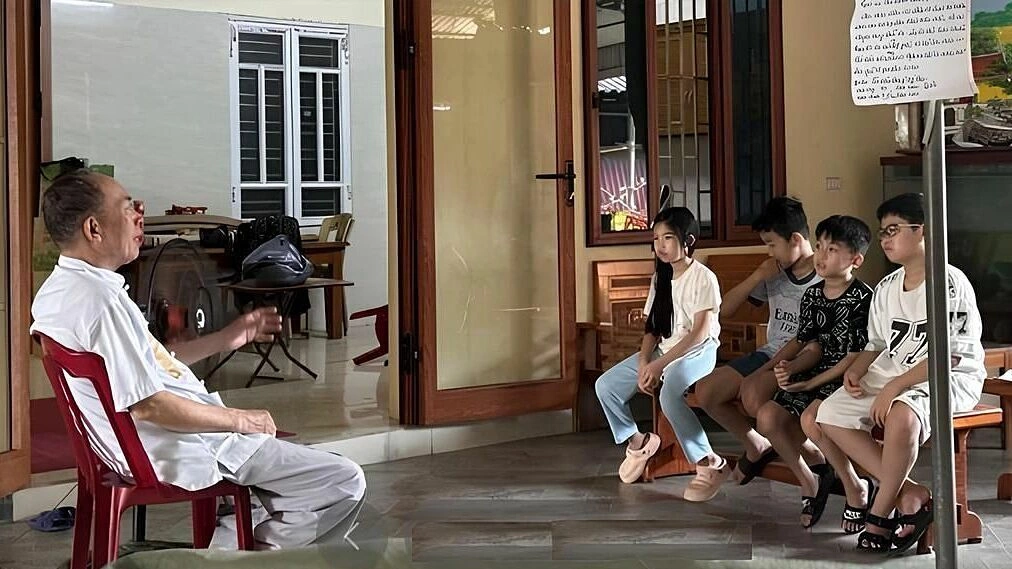
In Vietnam, the care of grandchildren returning from cities during the summer break has become a significant physical and psychological burden for grandparents and other relatives. Rising living costs, differing childcare styles, and the psychological pressure of not being able to refuse are causing distress in many households. Trần Thị Thức, a 70-year-old from Quảng Trị province, decided she would no longer care for her grandchildren during the summer after an incident where her grandchildren fought, resulting in one being injured. Her daughter-in-law, Thanh, who works full-time in Hanoi, had sent her two children to stay with her mother-in-law for the summer. Initially, Thức believed the children were self-sufficient, but she found it difficult to provide the meals they desired, such as fried chicken and pasta, which are not easily available in her rural area. Furthermore, keeping up with the children's high energy levels, constant arguments, and television viewing all day was exhausting for her. In Hanoi, 32-year-old Thu Hà and her husband are also experiencing similar pressures. Their 70-square-meter apartment became overcrowded when four grandchildren from her husband's sisters came to stay. The children had to sleep in the parents' bedroom, disrupting the entire family's schedule. With eight people sharing one bathroom, morning queues became a daily occurrence, and electricity, water, and grocery bills doubled. The initial plan was for the children to stay for one week, but they extended their visit, which Hà found overwhelming. Sociologist Phạm Thị Thúy believes this "summer childcare crisis" reflects the immense pressure on modern families. She points out that many workers, facing economic hardship and lacking time during the summer, are forced to rely on their elderly parents. "Not all families send their children away out of complacency or a lack of responsibility," she stated. Psychologist Nguyễn Thị Tâm notes that women often bear the brunt of this pressure, juggling work, household chores, childcare, and financial management, while feeling obligated to comply with requests due to social pressures. This accumulated stress can lead to family conflicts. Experts advise that grandparents and relatives are not obligated to care for grandchildren. Childcare during summer breaks should only be undertaken when the caregiver is ready in terms of health, finances, and living space. If overwhelmed, open communication is crucial. Parents are urged to provide financial support, necessary supplies, and to teach their children to respect the household's rules and schedules before they are sent to stay elsewhere. Source: VnExpress

多角的分析

経済的影響

夏休み中の孫の世話は、祖父母にとって食費、光熱費、娯楽費などの増加を意味し、家計に直接的な経済的負担をもたらす。特に都市部から地方へ子供が送られる場合、地方の物価水準では入手困難な特定の食品(例:フライドチキン)への要求は、追加の出費を強いる。また、集合住宅での大人数での生活は、電気・水道代の増加に直結する。これは、ベトナムの経済成長に伴う都市部と地方の物価格差や、消費パターンの違いを浮き彫りにする現象と言える。

投資家心理

このニュース自体が直接的な投資機会やリスクを示すものではないが、背景にある社会構造の変化は間接的に投資環境に影響を与える可能性がある。例えば、高齢者の負担増は、ベビーシッターや学童保育サービス、子供向けアクティビティを提供する企業の需要増加を示唆する。また、都市部と地方の経済格差が、家族間の移動や経済的支援のあり方に影響を与えている点は、地域経済の活性化や格差是正策に関心を持つ投資家にとって注視すべき点である。長期的には、これらの社会課題への対応が、新たなビジネスチャンスを生み出す可能性がある。

社会的影響

夏休み中の孫の世話は、ベトナムの伝統的な家族観と現代の都市化・核家族化の進展との間の軋轢を浮き彫りにする。都市部で働く親が子供の世話をする時間や経済的余裕がないため、地方に住む高齢の親に頼らざるを得ない状況は、世代間の負担の偏りを生んでいる。また、孫の活発さや現代的なライフスタイル(例:特定の食品への嗜好、電子機器の使用)に高齢者が適応できないこと、そして「断れない」という心理的圧力が、家庭内の緊張や対立を引き起こしている。これは、ベトナム社会における高齢者の役割、家族の責任分担、そして現代的な子育ての課題といった、より広範な社会問題を示唆している。

市民の声

都市部で働く親は、経済的な必要性から子供の世話をする時間が取れず、地方の両親に頼らざるを得ない。しかし、その際に発生する生活費の増加や、子供の世話による高齢の両親への負担を考えると、罪悪感や申し訳なさを感じる。一方、地方に住む祖父母は、子供たちの世話を断れないという心理的なプレッシャーと、自身の体力的な限界、そして生活スタイルの違いによるストレスに直面している。特に、孫が望むような食事を用意できないことや、子供たちの活発さについていけないことは、彼らの日常生活を大きく変え、疲労困憊させている。これは、都市部と地方の生活様式や経済状況の格差が、個々の市民の生活に直接的な影響を与えている現実を示している。

背景・歴史的文脈

ベトナムでは、経済成長に伴う都市部への人口集中が進み、多くの親が都市部で職を得て生活している。その結果、子供たちは地方の祖父母の元で夏休みを過ごすことが一般的となっている。しかし、近年、都市部と地方の経済格差、生活様式の違い、そして急速な人口高齢化が、この伝統的な家族のあり方に新たな課題を突きつけている。特に、高齢者の体力的な限界や、現代の子供たちのライフスタイルへの適応の難しさが、祖父母世代に大きな負担となっている。また、断りきれないという心理的・社会的な圧力も、問題を深刻化させている。

原文ソース

VnExpress

原文を読む