General articles are free for 24 hours after publish.
Owls Face Misunderstanding and Persecution in Indonesia Despite Ecological Role
In Indonesia, owls are sometimes perceived as omens of misfortune, leading to instances of abuse. However, scientific evidence highlights their crucial role in protecting crops from pests and reveals their remarkable hunting abilities as a result of sophisticated biological adaptations.
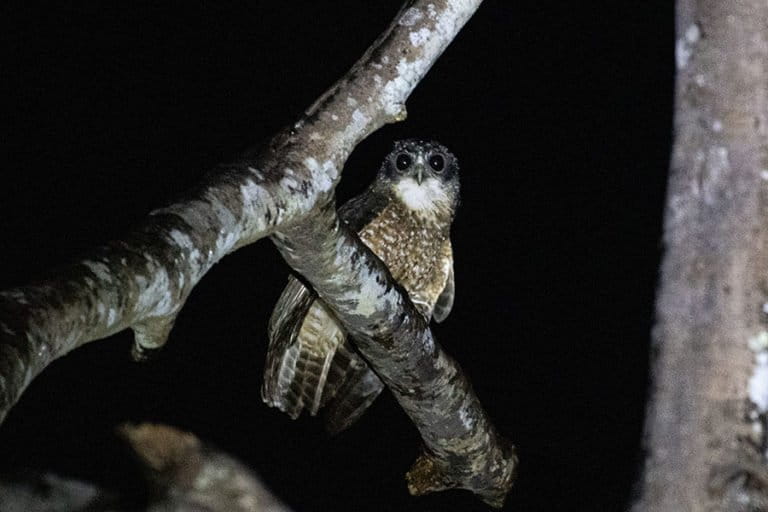
Instances of owls being misunderstood as omens of misfortune and subsequently subjected to violence are being reported across Indonesia. However, these nocturnal birds are actually valuable allies to farmers, and their unique abilities are evidence of advanced biological evolution. In January 2026, in Belu Regency, East Nusa Tenggara, a barn owl (Tyto alba) was shot and killed due to the misconception that it was harming crops. In August of the same year, three men in West Manggarai Regency beat and burned an owl they believed was associated with bad omens and black magic, convinced that burning it would remove the threat of curses. Adhi Nurul Hadi, head of the East Nusa Tenggara Natural Resources Conservation Center (BBKSDA NTT), expressed deep regret and stated that such acts of violence against animals are unjustifiable. Owls' exceptional abilities in darkness stem from their remarkable adaptations in vision and hearing. A 2020 genomic study published in Genome Biology and Evolution, analyzing 11 species, revealed unusual DNA packaging in retinal cells that helps channel more light to photoreceptors. Their disc-shaped faces and asymmetrical ear positions also aid in precisely locating prey even in extremely low light conditions. Furthermore, their near-silent flight is attributed to three feather structures: fine serrations on the leading edge, a velvety surface, and soft fringe on the trailing edge, which effectively absorb the sound of wingbeats. These characteristics are scientific adaptations, not supernatural attributes. Owls play a vital ecological role by preying on pests like rodents and insects, thus protecting agricultural produce. Accurate, science-based information is crucial to dispel misconceptions and end the persecution of these nocturnal predators.
Original source
Mongabay Indonesia