General articles are free for 24 hours after publish.
Cambodia's Labour Force Participation Rises to 71.6% in 2025, Survey Shows
Cambodia's labour force participation rate reached 71.6% in 2025, with an unemployment rate of 3.6%, an increase from 69.3% in 2019, indicating a more active economy and shifting labour market.
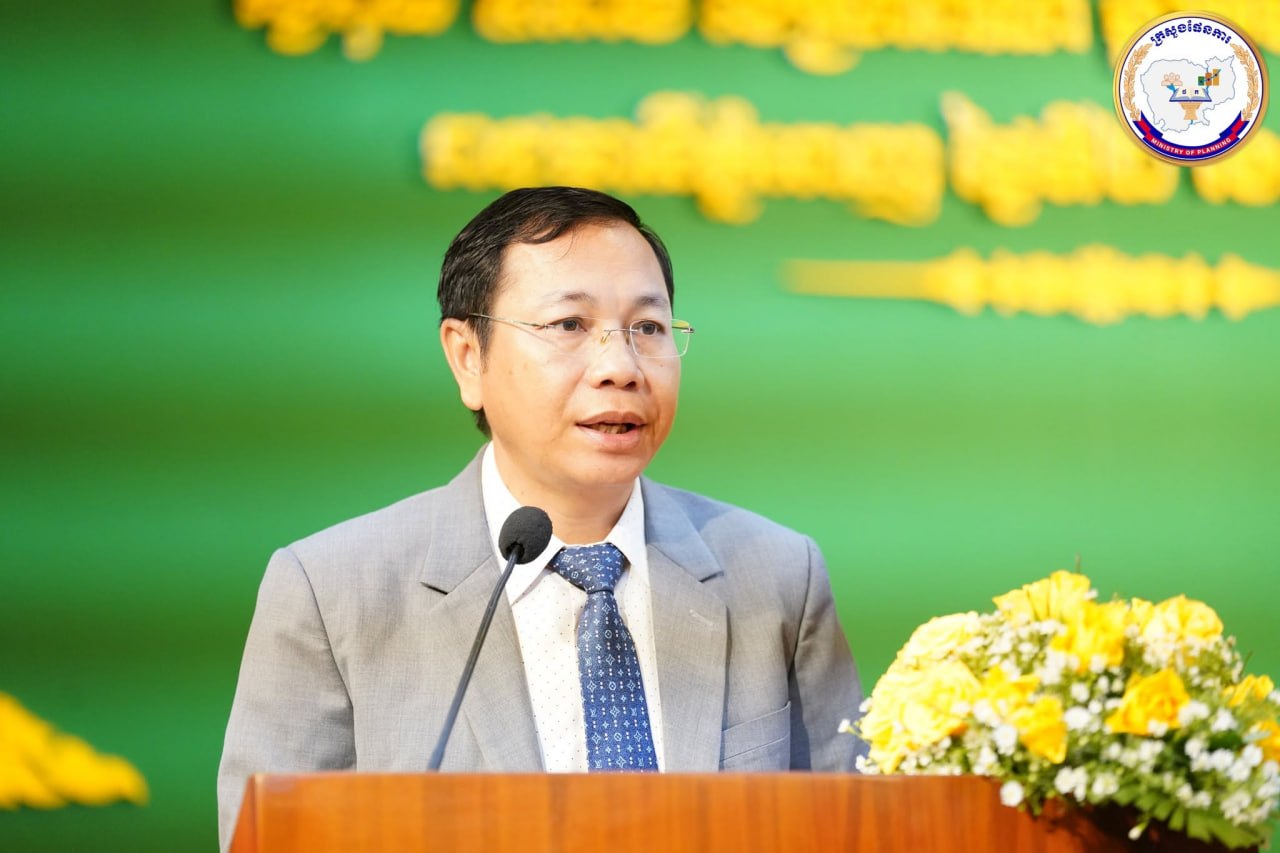
Cambodia’s labour force participation rate rose to 71.6 percent in 2025, up from 69.3 percent in 2019, while the unemployment rate stood at 3.6 percent, according to the results of the Cambodia Labour Force Survey 2025 officially released by the Ministry of Planning on Sept. 2. The survey showed that Cambodia had approximately 13.1 million people of working age in 2025, including 6.8 million women and 6.3 million men. Some 7.8 million lived in rural areas and 5.3 million in urban areas. Of the working-age population, 71.6 percent participated in the labour force, with the rate standing at 77.7 percent for men and 65.9 percent for women. The employment-to-working-age population ratio was 69.0 percent, equivalent to approximately 9.1 million people. Of those employed, 43.0 percent worked in the services sector, 29.4 percent in industry and 27.6 percent in agriculture. Meanwhile, approximately 3.6 percent of the population aged 15 and above was unemployed, equivalent to about 342,067 people. Of them, 146,504 were men and 195,564 were women. The survey also found that 28.4 percent of the working-age population, or approximately 3.7 million people, were outside the labour force in 2025. This represented a decline from 30.7 percent in 2019, indicating a growing participation in the labour force. Informal employment continued to account for the majority of employment, with 75.1 percent of employed people working in the informal sector, compared with 24.9 percent in formal employment. The average monthly wage from workers’ main jobs was 1,201,436 Riel (about 4,000 Riel equal to US$1), with male workers earning an average of 1,263,533 Riel and female workers 1,121,316 Riel. The survey also showed that Cambodia’s total dependency ratio stood at 49.5 percent in 2025, down from 50.6 percent in 2019. The dependency ratio among children under 15 also declined, from 40.4 percent in 2019 to 37.9 percent in 2025. The Ministry of Planning said the survey provides official, reliable and quality statistical data on the country’s labour market situation and trends, supporting evidence-based policymaking, planning, monitoring and evaluation of socio-economic development. The results were officially launched at a ceremony in Phnom Penh on Sept. 2 under the presidency of Minister of Planning H.E. Bin Trachhey, with participation from government officials, the International Labour Organisation (ILO), including Ms. Xiaoyan Qian, Director of ILO Country Office for Thailand, Cambodia, and Lao PDR, development partners and other national and international stakeholders. The Minister highlighted the importance of using the survey findings to develop targeted policies, plans and interventions in support of inclusive, resilient and sustainable development, in line with Cambodia’s vision of becoming a high-income country by 2050. He called on relevant ministries and institutions, sub-national administrations, the private sector, educational institutions, researchers and development partners to make greater use of the survey findings in policymaking, decision-making and investment. “Let data become evidence, and evidence become action,” he said, stressing the need to ensure that policies and investments respond effectively to changes in the labour market.
Original source
AKP Cambodia