General articles are free for 24 hours after publish.
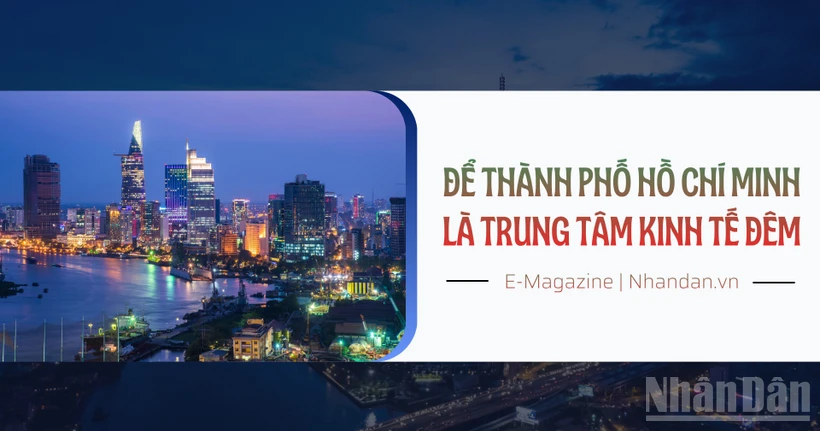
Ho Chi Minh City Aims to Be Southeast Asia's Premier Nighttime Economy Hub
Ho Chi Minh City is striving to become a leading hub in Southeast Asia by maximizing its nighttime economy potential, supported by government initiatives and expected growth in tourism, F&B, and entertainment sectors.
Ho Chi Minh City, Vietnam's economic powerhouse, is strategically positioning itself to become a leading hub for the nighttime economy in Southeast Asia. This ambitious goal is bolstered by government support, notably the "Proposal to Develop the Nighttime Economy in Vietnam" approved by the Prime Minister on July 27, 2020 (Decision No. 1129/QD-TTg). This initiative is poised to inject new vitality into the city's economic growth and cultural enrichment. Globally, the nighttime economy is recognized as a comprehensive economic ecosystem encompassing cultural activities, entertainment, F&B, shopping, performing arts, tourism, logistics, and creative industries. Major metropolises like London, New York, Tokyo, and Seoul see their nighttime economies contributing between 5% and 10% of their GDP, generating millions of direct and indirect jobs. For Ho Chi Minh City, this sector presents significant opportunities for small and medium-sized enterprises, individual businesses, young workers, and students, thereby improving livelihoods and alleviating unemployment pressures amidst labor restructuring. From a tourism perspective, the nighttime economy plays a crucial role in increasing visitor spending and length of stay. Dining, entertainment, shopping, and cultural experiences can all be integrated into an ecosystem that extends the tourist journey beyond sunset. Street art, traditional music, local cuisine, and contemporary creative activities are vital in shaping Ho Chi Minh City's image as a dynamic, open, safe, and culturally rich metropolis. As the nation's economic engine, Ho Chi Minh City has consistently demonstrated robust growth, with an average GRDP growth rate of approximately 8.3% per year. Its tourism sector attracts millions of domestic and international visitors. Preliminary data for the first half of 2026 indicates a strong recovery and growth: nearly 6.4 million international visitors (58.1% of the annual plan, up nearly 50% year-on-year) and over 27.3 million domestic visitors (54.6% of the plan). Total tourism revenue reached approximately VND 214 trillion, a surge of over 60% compared to the same period last year, fulfilling nearly 65% of the annual target. The nighttime economy currently contributes about 30% to the city's total tourism revenue. Several night tours, such as "Saigon - Night Colors" and "Moon of the Cu Chi Tunnels," have gained significant traction among both domestic and international tourists. The city is actively shifting towards an "event economy" mindset, focusing on enhancing experiences and increasing per-capita spending rather than solely pursuing visitor numbers. The development of public spaces along rivers, in parks, and pedestrian areas contributes to forming an "experiential urban" model. Gastronomy is a key component of the nighttime economy. Beyond globally recognized dishes like pho and banh mi, Ho Chi Minh City offers a rich tapestry of regional and international culinary influences. Specialized food areas and themed culinary streets are emerging in districts like Phan Xich Long and Ho Thi Ky. The city has also announced 21 specialized culinary tourism programs. Infrastructure improvements, including pedestrian zones like Nguyen Hue and Bui Vien streets, and the Ben Thanh Market area, further support the development of the nighttime economy. Many establishments in the city center have adapted their operations, expanding menus with street food and regional specialties, offering draft beer, and extending operating hours to cater to the demand for local experiences. These widespread changes, combined with diverse F&B and entertainment complexes, provide a rich nighttime dining experience and enhance visitor retention. The Ho Chi Minh City Tourism Association identifies nighttime dining as a flagship tourism product. The experience of enjoying dinner, a drink, and observing vibrant street life at night is a unique offering. However, to truly establish it as a leading tourism product, consistent quality in food safety, culinary standards, service, and the maintenance of a safe, civilized, and secure environment are paramount.
Original source
Nhan Dan