Manila Water Bolsters Water Security in East Zone with Robust Contingency Assets
Manila Water is strengthening water supply security in its East Zone concession by deploying a comprehensive network of contingency assets, including backup sources, treatment facilities, deep wells, and boosters, to ensure reliable service for its nearly eight million customers amidst changing weather and demand.
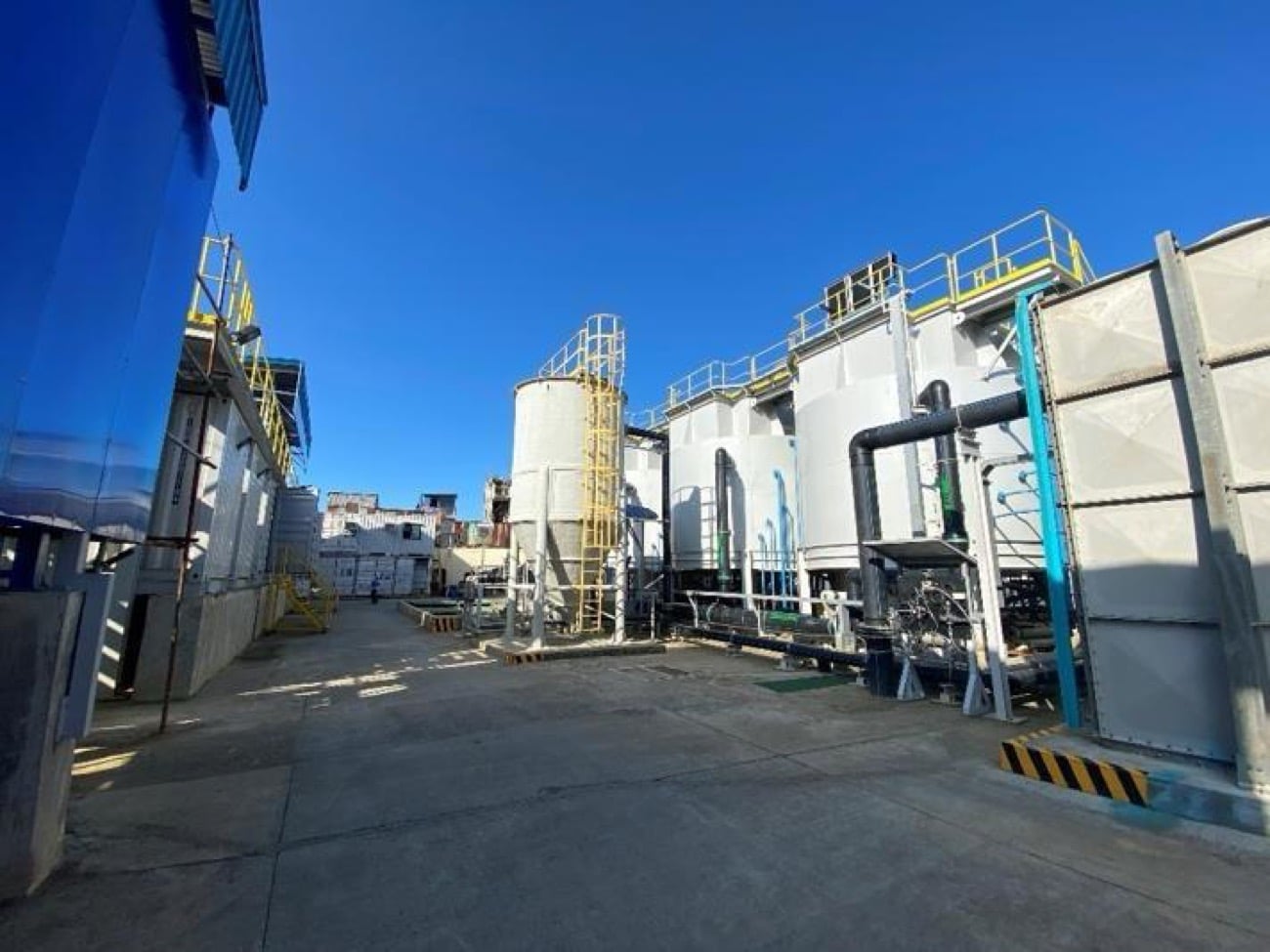
MANILA, Philippines – Manila Water continues to reinforce water supply security across its East Zone concession area through a comprehensive network of contingency assets designed to sustain reliable water service amid changing weather patterns, increased demand, and other operational challenges. As part of its water supply resiliency strategy, Manila Water maintains a diverse portfolio of alternative water sources, backup facilities, mobile assets, and network interconnections that can be activated to help ensure service continuity during emergencies, maintenance activities, or periods of constrained raw water availability. Among these contingency measures are the recovery of backwash water from the Balara Treatment Plants, which can provide up to 40 million liters per day (MLD), the Marikina Portable Treatment Plant with a capacity of 15 MLD as well as the Luzon Water Treatment Plant, which contributes an additional 20 MLD to the system. The company also maintains an extensive network of standby deep well facilities capable of supplying between 50 and 118 MLD, which can be tapped when needed. At the Alat Reservoir, Manila Water maintains operational rain catchers that can potentially add 10 MLD to the distribution system. READ: Beyond Angat: Manila Water better prepared than ever for strong El Niño To support operational flexibility across its network, Manila Water has deployed 40 line boosters and maintains 12 standby units that help sustain adequate pressure and distribution in strategic areas, particularly during periods of fluctuating demand. The company likewise ensures uninterrupted operations through alternative power supply systems that can be activated during power interruptions. “Our commitment to water security goes beyond developing new water sources. We have invested in multiple layers of contingency measures that allow us to respond quickly to operational disruptions while maintaining dependable service for our customers,” Manila Water’s Corporate Communications Group Head Dittie Galang said. In addition to contingency assets, Manila Water continuously enhances system resilience through the optimization of existing water sources, interconnection of water supply networks, and development of new water supply projects. These initiatives enable the company to maximize available resources and strengthen its ability to address future water supply challenges. The company also advances demand-side measures such as maintaining non-revenue water below 15%, maintaining adequate water pressure, and promoting responsible water use among customers. Through a combination of infrastructure investments, operational preparedness, and diversified water supply sources, Manila Water remains committed to safeguarding water availability and supporting the long-term water needs of nearly eight million customers across its service area.
多角的分析
マニラ水道の非常用資産への投資は、水供給の安定化を通じて、経済活動の継続性を支える重要な要素です。水不足は、産業活動、商業、さらには一般家庭の消費支出にも直接的な影響を与えます。特に、BPO産業など水消費量の多い産業が集積する首都圏において、安定した水供給は事業継続計画(BCP)の観点からも不可欠です。今回の対策は、エルニーニョ現象などの気候変動による水不足リスクへの対応であり、経済的損失の最小化に貢献すると考えられます。過去の断続的な水不足は、一部地域で生産性の低下やコスト増加を招いた事例があり、今回の投資はその再発防止策として評価できます。
マニラ水道の非常用資産への投資は、長期的な収益安定性に関心を持つ投資家にとってポジティブなシグナルです。水供給のレジリエンス強化は、事業中断リスクの低減を意味し、これが直接的に収益の安定化につながります。特に、インフラ分野への投資は、政府の規制や公共サービスとしての性質から、安定したキャッシュフローが期待できる一方、インフラの維持管理や拡張には継続的な投資が必要です。今回の対策は、将来的な気候変動や人口増加による需要増に対応するための先行投資であり、将来の事業成長とリスク管理の両面から、投資家の信頼を高める要因となるでしょう。
首都圏東部地域に住む約800万人の市民にとって、マニラ水道の非常用資産の整備は、日常生活における水供給の安心感に直結します。特に、気候変動による極端な気象現象が増加する中で、断水や水圧低下といった事態は、衛生状態の悪化、家事への支障、さらには健康リスクにもつながりかねません。今回の対策は、こうした市民生活への直接的な影響を緩和し、安定した水供給を確保するための重要な取り組みです。過去には、水不足により、特に低所得者層が水購入に多額の出費を強いられたり、衛生問題が悪化したりする事例も報告されており、今回の対策はこうした社会的不平等を是正する側面も持ち合わせています。
「エルニーニョ現象で水が止まるんじゃないかと心配していたけど、マニラ水道が色々な対策をしていると聞いて少し安心したわ。特に夏場は水の使用量も増えるから、きちんと水が供給されるのは本当にありがたい。でも、こうした対策にかかる費用が、私たちの水道料金にどう影響するのかも気になるところね。安定した水供給は大切だけど、家計への負担も増えないようにしてほしいわ。」
背景・歴史的文脈
フィリピンは、気候変動の影響を受けやすい国であり、特にエルニーニョ現象による干ばつは、水供給に深刻な影響を与える。首都圏のマニラ水道は、主にアンゴット・ダムの水に依存しているが、降水量の変動により供給が不安定になるリスクを抱えている。過去にも、水不足による断水が頻繁に発生し、市民生活や経済活動に大きな影響を与えてきた。こうした状況を踏まえ、マニラ水道は、代替水源の確保、浄水能力の増強、深井戸の活用、ネットワークの強化といった多角的な対策を講じることで、水供給のレジリエンスを高め、将来的な水不足リスクへの対応能力を強化している。
原文ソース
Inquirer NewsInfo