General articles are free for 24 hours after publish.
Cambodia to Prohibit Private Use of Public Facilities, Prime Minister Directs
Cambodian Prime Minister Hun Manet has issued a directive prohibiting private companies from investing in and operating public facilities such as hospitals and schools to provide private services. This measure aims to prevent the privatization of public resources and ensure the state's sovereignty and responsibility in public service delivery.
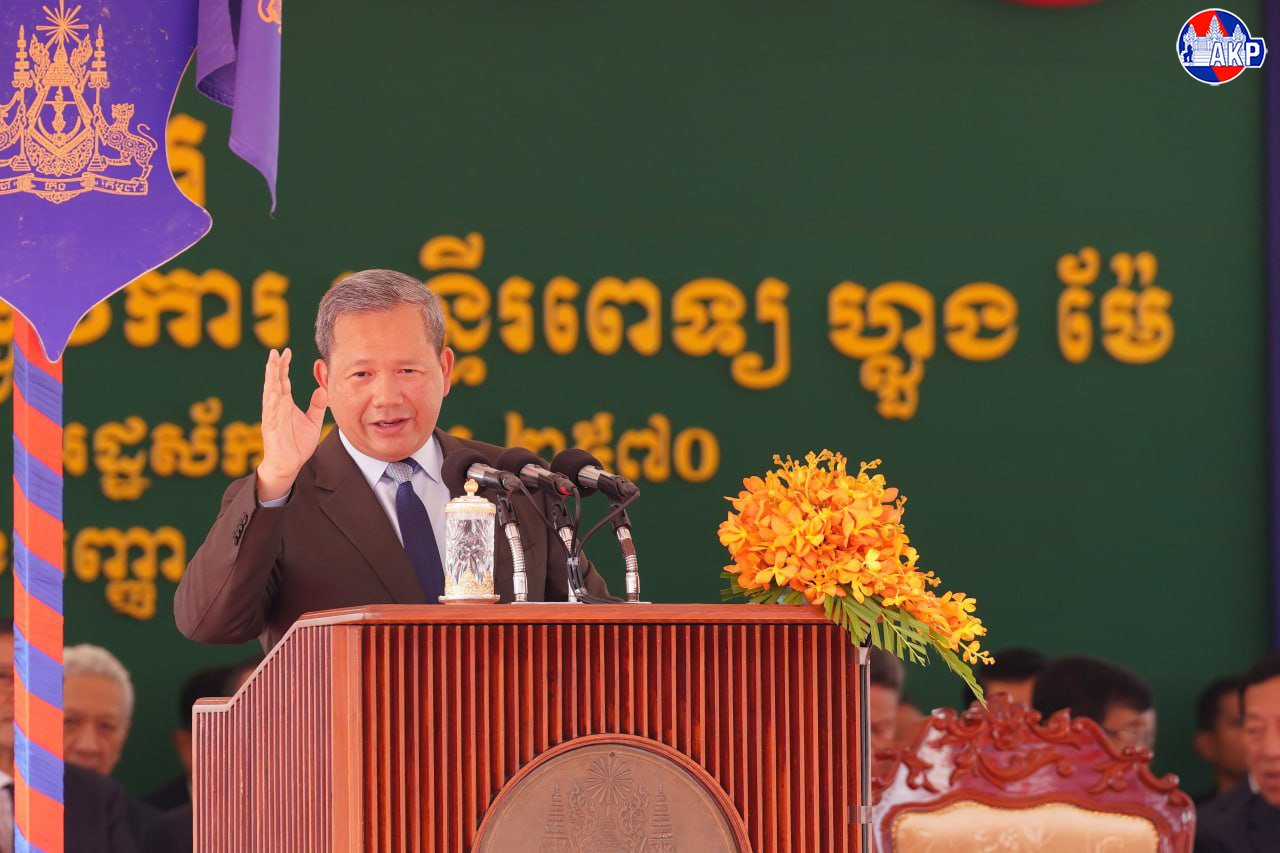
Prime Minister Hun Manet of Cambodia has issued a directive prohibiting private companies from investing in and operating public facilities such as public hospitals and schools to provide private services. The Prime Minister made it clear that public medical institutions and educational institutions will not be allowed to be used as venues for private companies to invest and provide private services. This is to prevent the privatization of public resources and to ensure the state's sovereignty and responsibility in providing services to the people. The Prime Minister stated that it is unacceptable to provide land and facilities of public hospitals and schools to private companies for the development of private medical and educational services. He emphasized that investment and service provision by private companies should be conducted in separate locations from public facilities. Furthermore, the policy prohibits public officials from working for private companies to provide private services during working hours. He stressed that public officials should focus on providing services to the people and implementing national policies, and that deviating from public duties for private gain is not permitted. This policy aims to maintain the independence of public institutions and strengthen the state's role in essential areas of public life such as healthcare and education. The Prime Minister stated that while cooperation with the private sector is welcomed, it must not lead to the privatization of public resources. During the inauguration ceremony of the Preah Monivong Oncology Hospital, a specialized cancer treatment facility in Phnom Penh, Prime Minister Hun Manet addressed the ministers of Health and the governors of the capital and provinces, stating that he would not permit the model of allowing the private sector to use state-owned locations for private investment and service provision. He reiterated that neither health centers nor district referral hospitals would be allowed to operate under such a model. The Prime Minister clarified that state-owned medical facilities and schools cannot be used for private investment to establish schools or treatment centers that provide full-time private services. He asserted that the state now has sufficient capacity and autonomy in many sectors. "I encourage you to partner and invest in building hospitals outside of these locations," he stated. "Do not come to take additional beds or land for future hospital expansion. Do not compete for state facilities, as these will remain 100% under state control, implementing government policies on services and fees. The responsibility for these premises lies with the state." The Prime Minister emphasized that this model, whether for education or healthcare, would not be permitted if it results in services similar or identical to those provided by the state. He stated that state facilities and public investments should be utilized for public services, and while aid from development partners is received, it must be managed by the state to enhance its capacity. He further stressed the importance of reserving state facilities and opportunities for future expansion to better serve the citizens and uphold state policies concerning infrastructure and medical personnel. "A doctor working overtime for a private entity is their personal matter, but working for a private entity during state hours, under any model such as PPP, is not allowed," he declared. "We must rely on state hospitals and our own capacity to ensure self-reliance and responsibility in providing services to the people." Prime Minister Hun Manet cited a specific case where a foreign company proposed investing in a Phnom Penh hospital to build a facility and equip it with cancer treatment equipment. The hospital had outdated equipment and sought a private partner for investment, requesting permission to construct a building or use parts of the state hospital's facilities, with an investment of approximately $30-$40 million. The proposal included two key requests: first, the right to open private services within the state medical facility, and second, the right to use state medical personnel for the private facility. While this model could provide investment capital and modern equipment without direct state expenditure, the Prime Minister noted its detrimental impact on the state hospital's capacity for expansion. He explained that the state had already invested hundreds of millions of dollars in infrastructure for state hospitals to implement its service delivery policies. Furthermore, the state invests heavily in training and salaries for its medical staff, who are already stretched thin. Diverting these personnel to private enterprises, especially under a Build-Operate-Transfer (BOT) contract for 30 years, where the private entity would retain 70% of the revenue and share 30% with the doctors, was deemed unacceptable. "I do not agree with this model," the Prime Minister affirmed. "The use of state facilities and state medical personnel during state hours must serve the citizens and adhere to state policies. This principle will be maintained, even for provincial hospitals." He used the example of the Preah Monivong Oncology Hospital, questioning how it would be distinguished if private entities were allowed to operate there. "Who would be responsible? Is it a private or state hospital? The state hospital must take responsibility," he asked. He also raised concerns about implementing state policies regarding service fees, differentiating between state and private charges, and the involvement of state doctors in private operations. This, he argued, blurs the lines between public and private healthcare, especially when the state is already facing shortages of doctors and facilities for expansion. "For investment in both education and healthcare, I encourage participation in expanding capacity at locations outside of state facilities to ensure more modern services closer to the people, rather than our citizens having to go abroad," he stated. "We do not reject private sector participation; we welcome it, but this specific model is not permitted."
Original source
AKP Khmer